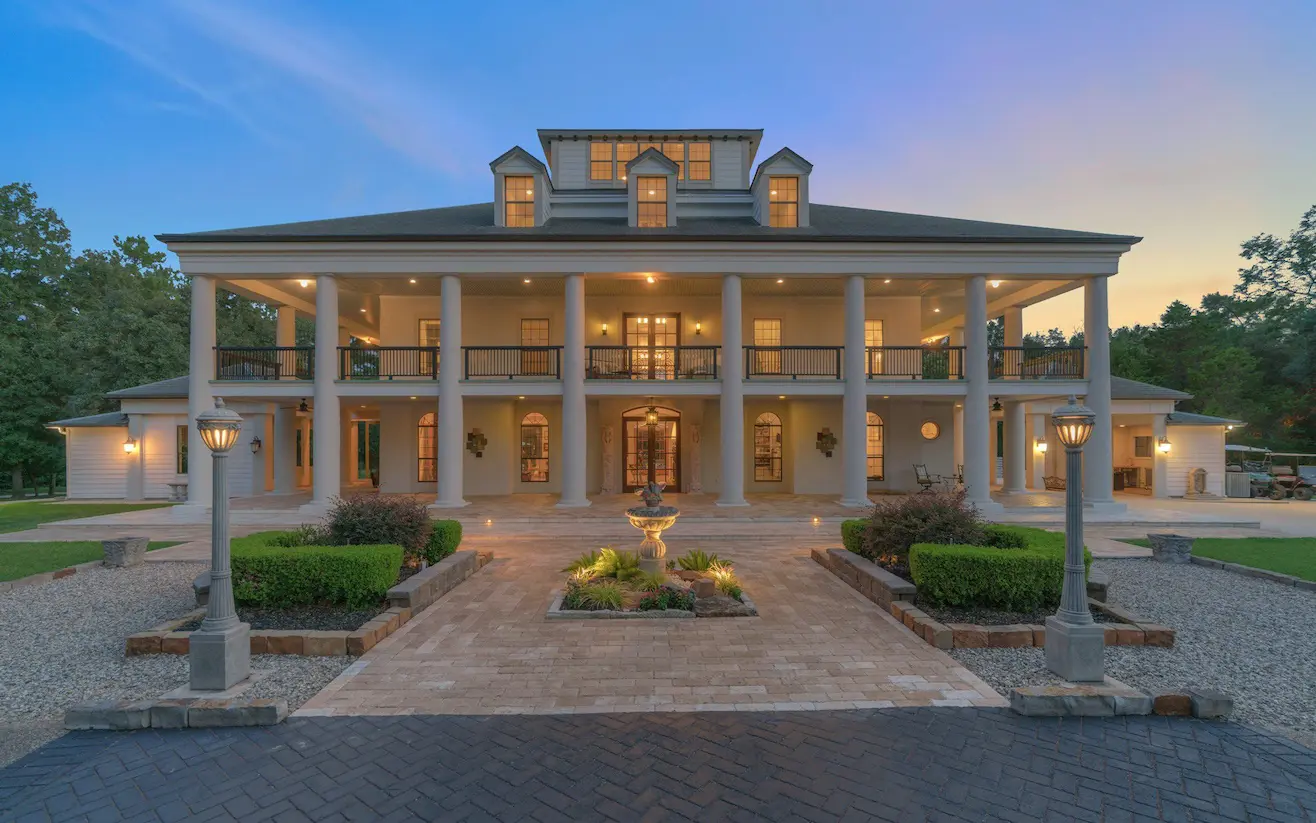
Luxury home exterior with brick and stone accents, large windows, and a well-maintained yard.

How to Stage Your Home for Sale in Greater Houston: Tips from the Experts

Stage Your Home for Sale


Staging a home for sale starts with the basics: clear the clutter, deep clean the space, and create a neutral backdrop that lets the home itself stand out. Across Greater Houston and surrounding markets like Conroe, The Woodlands, Huntsville, and Bryan-College Station, fresh landscaping and a well-kept exterior can also help make a strong first impression.

Neutral tones and strategic furniture placement help buyers picture themselves living there. According to NAR’s 2025 Profile of Home Staging, 29% of agents reported that staging resulted in a 1% to 10% increase in the dollar value offered compared with similar unstaged homes, while 49% of sellers’ agents said staging reduced time on market.

What Do You Need Before Staging a Greater Houston Home?

Before you start moving furniture or buying décor, take a look at the property as a whole, decide what actually needs attention, and set a realistic budget. A little planning upfront helps sellers focus their time and budget on the updates most likely to improve the home’s presentation. For Greater Houston area homeowners, the goal is to go into staging with a plan instead of making one-off updates as you go.

The right staging approach also depends on what you’re selling. A ranch listing needs different prep than a downtown condo or a commercial storefront. AOT’s real estate services cover residential, commercial, ranch, and land sales, and staging decisions should reflect which category applies before any furniture moves or paint gets purchased.

Does staging require a big budget?

No. Several staging steps cost cover little, or nothing at all. Deep cleaning, decluttering, and rearranging existing furniture can fall into this no-cost category, giving budget-conscious sellers a starting point before committing to paid upgrades or rentals.

Who can help gather staging materials and contractors?

A full-service real estate team can also simplify the process by connecting sellers with trusted cleaners, contractors, staging resources, and other vendors as needs come up. Before the first walkthrough, sellers should confirm these basics:

  • Identify the property type (residential, ranch, land, or commercial) to set the staging scope.
  • List no-cost fixes such as cleaning, decluttering, depersonalizing, to complete first.
  • Decide on a budget for paid staging services or vendor-sourced materials.
  • Line up trusted contractors through a full-service network if repairs or upgrades are needed.

AOT, with offices in Huntsville, Waco, Houston, and Dallas, supports sellers across the state with staging guidance built into full-service listing preparation. That combination of local market knowledge and vendor access can reduce the guesswork sellers face when preparing a property for market.

How Do You Clean and Declutter First?

Before rearranging furniture or adding finishing touches, start with a thorough clean and a good round of decluttering. Buyers touring a property in Houston, Dallas, or Conroe form an impression quickly, and cleanliness is a major factor in that early judgment. A home that smells fresh and shows spotless counters signals pride of ownership. A home with dusty baseboards or cluttered shelves can signal neglect, even if the foundation and roof are sound.

Sellers who want to stage their home for sale in Greater Houston should treat cleaning and decluttering as a structured project, not a weekend chore. Listings with a clean, decluttered foundation tend to photograph better can make the home more appealing in listing photos and showings.

What Belongs on a Pre-Staging Cleaning Checklist?

A methodical approach helps prevent missed spots that buyers notice instantly. Follow these steps in order:

  1. Clear countertops, shelves, and closets of excess items to create open, breathable space.
  2. Remove personal photos and memorabilia so buyers can picture their own life in the home.
  3. Hide pet bowls, litter boxes, and bedding, and neutralize odors throughout the house.
  4. Open blinds, replace dim bulbs, and add mirrors to brighten rooms and expand sightlines.
  5. Wipe down baseboards, windows, and fixtures for a spotless final walkthrough.

Why Does Deep Cleaning Matter More Than Décor?

Décor choices carry less weight if the underlying space feels dirty or cramped. Methodical preparation, starting with cleanliness, sets the foundation for stronger offers before a single photo gets taken.

How Do You Boost Curb Appeal for Greater Houston Buyers?

Strong exterior photos help a Greater Houston listing make a good first impression before buyers ever step through the front door. Sellers who stage a home for sale in Greater Houston with a polished exterior gain an edge in competitive markets from Conroe to The Woodlands. A home’s exterior condition also shapes how well it performs in online listing photos and digital marketing.

Curb appeal matters well before an in-person showing, especially when the exterior is one of the first things buyers see in an online listing. Follow these steps to prep a Greater Houston area home exterior for maximum visibility:

  • Clean exterior siding, walkways, driveways, and other appropriate surfaces, and have the roof professionally cleaned if staining, moss, or debris is affecting its appearance.
  • Repaint the front door and shutters in a bright color that still coordinates with the home’s existing palette.
  • Trim overgrown landscaping and refresh mulch beds so the entrance reads as tidy and intentional.
  • Photograph the exterior in strong natural light for use in listing photos and marketing.

Does a fresh paint job really matter to buyers?

Color can make a difference at first glance. A coordinated, bright front door creates a clear focal point that draws the eye and signals a well-maintained property. Buyers scrolling listings online form quick impressions, so entrance color choices carry real weight in a competitive Greater Houston market.

What’s the fastest curb appeal fix for ranch and land properties?

Pressure washing delivers one of the quickest visible transformations for rural and ranch listings. Removing grime from exterior surfaces and outbuildings sharpens the property’s overall presentation for photography and marketing.

How Do You Stage Rooms to Sell Faster?

Staging is less about decorating every inch of a home and more about helping buyers quickly understand its potential. The best place to focus is on the spaces that shape a buyer’s first impression, photograph well, and help them picture how the home could function for them. In fact, NAR data shows that living rooms, primary bedrooms, and kitchens are among the spaces buyers most value seeing staged.

For sellers preparing a home for the Greater Houston market, a few thoughtful changes can go a long way:

  • Give the living room space to breathe. Arrange furniture to create natural walkways, open sightlines, and a comfortable sense of scale.
  • Clear countertops of everyday clutter and keep only a few intentional accents. More visible counter space can make the kitchen feel cleaner, larger, and ready to use.
  • Create a cohesive, neutral backdrop. You don’t have to remove every trace of personality, but bold or highly specific paint choices can distract from the home itself. Neutral, complementary tones help rooms flow together and tend to translate well in listing photos.
  • Remember that staging starts before buyers walk inside. Fresh landscaping, a clean entry, and small exterior repairs help set the tone for everything buyers see next.
  • Give every space a reason to exist. An awkward nook, flex space, or bonus room can be difficult to understand when it’s empty. A few well-chosen pieces can show buyers exactly how that extra square footage could work for them.

The goal isn’t to make the home feel like a showroom. It’s to remove distractions, highlight what the property does well, and make it easier for buyers to see themselves there.

Does staging differ by property type in Greater Houston?

Staging strategy shifts with the property category. AOT works across luxury homes, land deals, and rural properties, and presentation needs change by asset type. A ranch listing benefits from highlighting acreage and structures. A luxury home in a market like Conroe or The Woodlands generally calls for polished interiors that match buyer expectations in higher-investment corridors.

What Staging Mistakes Should Greater Houston Sellers Avoid?

Two of the habits that tend to cost Greater Houston sellers the most are leaving a property completely bare and skipping professional guidance. Empty rooms expose every scuff, crack, and dated fixture, giving buyers little sense of how the space actually lives. On the other hand, sellers who rush to stage their home without expert input can misjudge which flaws matter most to buyers, and that miscalculation can show up in offer prices.

In a completely empty room, buyers have to do more of the work to picture the scale, function, and feel of the space. Additionally, when a home sits completely empty, every imperfection can stand out while the true potential of the property is overlooked. A well-staged room does the opposite, buyers can more easily picture themselves moving in, which NAR data links to an easier path toward an offer.

Is it worth hiring a professional stager in Greater Houston?

For many sellers, yes, professional staging paired with disciplined preparation tends to outperform guesswork, based on the NAR data above. Sellers who skip that guidance risk underpricing their own hard work.

What other mistakes undermine a staged home?

Beyond bare rooms and DIY guesswork, sellers commonly repeat these missteps:

  • Cluttering counters and closets instead of creating open, breathable space
  • Ignoring curb appeal while focusing only on interior rooms
  • Treating staging as optional rather than part of a full marketing strategy
  • Trusting personal taste over buyer-tested presentation standards

Avoiding these mistakes helps position the property competitively.

Staging a home helps turn a property listing into a compelling narrative that resonates with buyers. Strategic design choices, thoughtful decluttering, and highlighting a home’s unique strengths can support faster sales and stronger offers, based on national staging data. In a competitive Greater Houston market, homes that tell a clear, attractive story tend to stand out from those that don’t.

Frequently Asked Questions

Does staging a Greater Houston home require a big budget?

No. Deep cleaning, decluttering, and rearranging existing furniture are no-cost staging steps that give budget-conscious sellers a starting point before they commit to paid upgrades or rentals.

What should sellers confirm before the first staging walkthrough?

Sellers should identify the property type, list no-cost fixes like cleaning and decluttering, decide on a budget for paid services, and line up trusted contractors through a full-service network.

Why does cleaning and decluttering come before other staging steps?

Buyers form an impression quickly when touring a property, and cleanliness is one of the biggest factors in that early judgment, so deep cleaning precedes curb appeal and furniture arranging.

Navigating Market Fluctuations in Texas Real Estate

market fluctuations in texas real estate


Market fluctuations in Texas’ real estate demand a proactive strategy rooted in local expertise and data-driven decisions. Investors in regions like Huntsville, Texas benefit from monitoring inventory levels and locking in financing during rate dips. Diversifying across property types to maintain portfolio stability through economic cycles. 

Navigating Texas real estate market fluctuations requires working with experienced local professionals who understand regional dynamics, particularly as Texas home values have experienced a slight year-over-year decrease, signaling a stabilization period after a significant increase in median home prices over recent years. 

Navigating Texas real estate market fluctuations demands expert pricing strategy, deep local knowledge, and disciplined timing. Texas markets are currently undergoing recalibration, creating fresh opportunities across commercial and residential asset classes. Clients who align with experienced teams, like AOT, with over pricing vary billions in closed volume. Consistently outperform those acting without professional guidance. 

Key Takeaways

  • Texas commercial real estate markets show pricing disconnects as interest rates rise, and capital becomes selective. 
  • Home prices in Texas stabilize or decline slightly in 2025 while inventory levels increase significantly. 
  • Transaction activity slows as property owners resist adjusting prices to match current buyer expectations and conditions. 
  • Market recalibration creates new investment opportunities for buyers willing to negotiate in the shifting Texas landscape. 

What Prerequisites Do You Need Before Starting?

Navigating Market Fluctuations in Texas Real Estate demands preparation before a single offer is written, or a listing goes live. Texas draws buyers, sellers, and investors from across the country. Its booming economy and diverse property markets create opportunity, but also complexity that punishes the unprepared. 

Real estate transactions involve legalities, negotiations, and layered decision-making. Mistakes cost time and money. Clients who enter the Texas market without the right foundation routinely face delays, mispriced offers, and lost deals. 

What Core Prerequisites Should Clients Establish First?

Before engaging the market, clients need three foundational elements in place: 

  1. Financial clarity — Confirm budget, financing pre-approval, or capital availability before evaluating any property. 
  1. Market knowledge — Understand current inventory levels, pricing trends, and regional dynamics specific to the Texas submarket being targeted. 
  1. Professional representation — Secure an experienced agent or team with a documented track record across multiple transaction types and market conditions. 

Why Does Professional Guidance Matter So Much in Texas?

Texas real estate is not simply a matter of browsing listings and comparing prices. The process involves contract law, negotiation strategy, and time-sensitive decisions where a single misstep can derail a transaction entirely. AOT has recorded over 5,000 closings and surpassed pricing of billions in total Texas sales. That depth of experience spans every asset class and every market cycle. Clients who partner with a team carrying that track record enter negotiations with a measurable strategic advantage. 

How Do You Read Current Texas Market Conditions?

Reading Market Fluctuations in Texas Real Estate starts with tracking two core signals: price direction and inventory levels. Texas home values have experienced a modest year-over-year dip after median prices surged significantly over the preceding years, reaching levels that have since begun to stabilize. 

That price correction signals a market catching its breath, not collapsing. In Houston, one of Texas’s most closely watched submarkets, the median home price slipped from $335,000 in March 2025 to $330,000 in March 2026, a 1.49% year-over-year decline, while average prices moved from $427,221 to $420,510 over the same month. Months of inventory rose from 4.3 in January 2025 to 4.7 in January 2026 (+9.3%) and from 4.6 to 4.7 in March (+2.2%), reflecting a gradual but measurable shift toward balance. Buyers now have more options. The frantic, multiple-offer urgency that defined earlier years has eased considerably. 

What Data Points Matter Most When Evaluating a Texas Market? 

Investors and buyers should track four primary indicators before making any move: 

  1. Monitor median price trends — In Houston, the median home price declined from $325,000 in January 2025 to $322,045 in January 2026 (-0.91%), and from $325,000 to $322,078 in February (-0.90%). Compare current values against these recent baselines to gauge how much correction has occurred in a specific submarket. 
  1. Track months of inventory — Houston’s inventory rose from 4.3 months in January 2025 to 4.7 months in January 2026 (+9.3%), and from 4.4 to 4.8 months in February (+9.1%). Rising inventory shifts negotiating leverage toward buyers; watch whether local supply is expanding or contracting. 
  1. Watch pending sales — Houston pending sales grew from 6,745 in January 2025 to 6,813 in January 2026 (+1.0%), from 7,757 to 7,894 in February (+1.8%), and from 9,165 to 9,474 in March (+3.4%) — evidence that demand held firm even as inventory expanded. 
  1. Assess regional employment drivers — Texas submarkets tied to energy, healthcare, or technology corridors behave differently from rural or transitional markets. 

Does Market Recalibration Create Buying Opportunities in Texas? 

Market recalibration does create measurable opportunities, particularly for buyers who missed the run-up in prior years. Pricing expectations and inventory levels are moving toward a new equilibrium across the state. 

AOT serves markets spanning Huntsville, The Woodlands, Houston, Dallas, Waco. Surrounding regions, giving clients data-grounded guidance across diverse Texas submarkets. Missing this window means competing against more buyers once inventory tightens again. 

Houston Market Data: 2025 vs. 2026

The table below summarizes key Houston housing market indicators comparing early 2025 to early 2026, reflecting the gradual recalibration underway across Texas’s most closely watched submarket. 

Metric  2025  2026  Change 
Median Home Price (January)  $306,000  $315,900  +3.2% 
Median Home Price (February)  $323,992  $315,000  −2.8% 
Median Home Price (March)  $335,000  $335,000  0.0% 
Average Home Price (March)  $427,221  $435,440  +1.9% 
Months of Inventory (January)  4.2 months  4.7 months  +11.9% 
Months of Inventory (February)  4.3 months  4.8 months  +11.6% 
Months of Inventory (March)  4.5 months  4.9 months  +8.9% 
Pending Sales (January)  6,745  6,813  +1.0% 
Pending Sales (February)  7,757  7,894  +1.8% 
Pending Sales (March)  9,165  9,474  +3.4% 


How Do You Build a Fluctuation-Resistant Investment Strategy? 

Building a fluctuation-resistant investment strategy in Texas starts with diversification across asset classes and a commitment to long-term positioning. Market Fluctuations in Texas Real Estate reward investors who plan through cycles rather than react to them. 

Texas commercial real estate markets are currently undergoing a period of recalibration. Pricing expectations, capital availability, and investor sentiment are moving toward a new equilibrium. And that shift creates openings for investors willing to hold a long-term view. Transaction activity, which slowed as interest rates rose and capital grew more selective, is now accelerating again as the market finds its footing. 

What Asset Classes Offer the Most Resilience During Market Shifts?

Diversification across multiple property types reduces exposure to any single sector’s downturn. Residential, commercial, ranch, and land holdings each respond differently to economic pressure. Spreading capital across categories smooths out volatility over time. 

Follow these steps to build a strategy built for durability: 

  1. Assess current market positioning. Identify where Texas commercial and residential markets stand in the recalibration cycle before committing capital. 
  1. Diversify across asset classes. Allocate across residential, commercial, ranch, and land holdings to reduce single-sector risk. 
  1. Prioritize long-term hold periods. Short-term speculation amplifies exposure to price swings; longer hold periods absorb recalibration cycles. 
  1. Partner with a team that spans all asset classes. Working with a single team that carries deep expertise across every major property category eliminates blind spots. 

Why Does a Single-Team Relationship Matter for Investors?

Fragmented advisory relationships create gaps in strategy. AOT serves Texas investors across residential, commercial, ranch, and land sales, one team, one relationship, full-spectrum expertise. That continuity means market intelligence from one asset class informs decisions across all others. 

How Do You Execute Transactions During Market Shifts?

Executing real estate transactions during Market Fluctuations in Texas Real Estate demands a structured, team-driven approach, not guesswork. AOT deploys a full-service model built around marketing professionals, contract experts. A trusted vendor network, ensuring smooth closings regardless of where the market stands. 

What Steps Should Clients Follow to Close Successfully in a Shifting Market?

Prerequisites: Clients should have a clear pricing strategy and listing timeline established before initiating any of the steps below. 

  1. Establish expert pricing first. AOT’s team analyzes current market data to set a price that attracts qualified buyers without leaving value on the table. 
  1. Deploy professional media immediately. High-quality photography, video, and digital assets go live at launch, not after the listing stalls. 
  1. Activate targeted marketing campaigns. AOT launches digital campaigns across multiple channels, generating over 2 million monthly social media impressions to drive maximum listing visibility. 
  1. Engage contract experts early. Skilled contract professionals review terms, contingencies, and timelines before negotiations begin, reducing the risk of deals falling apart mid-transaction. 
  1. Coordinate the vendor network. Inspectors, lenders, and title professionals are mobilized in parallel, compressing the timeline between accepted offer and closing. 

How Does AOT Maintain Listing Exposure When Buyer Demand Softens?

Demand softening is one of the most damaging conditions a Texas seller faces. AOT counters this directly by combining professional media production with targeted digital campaigns designed to sustain visibility even when organic buyer activity slows. The result is consistent exposure across the platforms where serious Texas buyers are actively searching. Keeping listings competitive throughout every phase of a market cycle. 

What Common Mistakes Should You Avoid in Volatile Markets?

Market Fluctuations in Texas Real Estate punish investors who rely on outdated assumptions. Sellers who refuse to adjust valuations when interest rates rise create a pricing disconnect that stalls transactions and locks capital in place. 

Why Do Overpriced Listings Hurt Sellers More Than Buyers?

When capital becomes more selective, buyers simply wait. Texas property owners who held firm on inflated valuations during rising-rate environments watched transaction activity slow to a crawl. A pattern that played out across multiple asset classes statewide. Pricing stubbornness costs sellers time, carrying costs, and negotiating leverage. 

How Does Poor Communication Derail Real Estate Transactions?

Transparent communication is not optional in a volatile market, it is the mechanism that keeps deals alive. AOT builds honesty and clear communication into every transaction, reducing the costly missteps that arise when buyers and sellers operate on mismatched information. Gaps in communication compound quickly when market conditions shift fast. 

Investors and homebuyers in Texas avoid the most common pitfalls by following a disciplined process: 

  1. Reassess pricing expectations against current comparable sales before listing or making an offer, not against peak-market data. 
  1. Verify capital availability before entering contract negotiations, so financing delays do not kill deals at the closing table. 
  1. Engage a team with deep market knowledge early, ensuring strategy is built on real-time data rather than assumptions. 
  1. Maintain transparent communication with all parties throughout the transaction to prevent misaligned expectations from derailing progress. 

Working with AOT means buyers and sellers access strategy, market knowledge. Hands-on support, turning a complex process into a seamless one. 

Navigating Texas real estate market fluctuations demands strategy, expertise, and a partner who understands local dynamics. By staying informed, leveraging data-driven insights. Working with professionals who prioritize transparent communication, you position yourself to make confident decisions regardless of market conditions. The Texas real estate landscape rewards those who act with knowledge. Purpose transforming market shifts from obstacles into opportunities for success. 

FAQ

What is the current average home value in Texas?

Texas home value have entered a normalization phase. While market conditions vary across the state, Houston has shown signs of stabilization rather than a sharp downturn. The median home price increased from $306,000 in January 2025 to $315,900 in January 2026 (+3.2%), while the average home price rose from $427,221 in March 2025 to $435,440 in March 2026 (+1.9%). At the same time, inventory expanded, and sales activity remained resilient, suggesting that Houston’s housing market is becoming more balanced rather than experiencing a broad-based decline. 

Why does working with an experienced team matter in a fluctuating Texas market?

AOT has recorded over 5,000 closings. Surpassed pricing varies in billions in total Texas sales, giving clients a measurable strategic advantage in negotiations across every market cycle. 

What three prerequisites do clients need before entering the Texas real estate market?

Clients establish financial clarity, market knowledge of current inventory, and pricing trends. Professional representation from a team with a documented track record across multiple transaction types. 

Top Home Improvements That Increase Your Greater Houston Property Value

home improvements

Investing in targeted home improvements is a proven method to raise property value in Greater Houston. Local buyers reward visible, functional upgrades, especially curb appeal, kitchen improvements, and smart home features, that increase marketability and resale potential. This guide highlights renovations that reliably improve return on investment (ROI) and explains practical implementation so homeowners can prioritize projects that align with buyer demand. 

We examine curb appeal, kitchen updates, smart integrations, and outdoor living enhancements, each selected for their alignment with Houston market dynamics and buyer preferences. The information helps homeowners make data-informed choices that increase appeal and support stronger offers at sale. 

Curb Appeal Enhancements

Curb appeal is the street-level impression a property makes, and it directly affects buyer perception and offer likelihood. Improvements such as siding, landscaping and an upgraded entry signal proper maintenance and raise perceived value. 

Cost-effective exterior updates consistently improve first impressions and buyer interest. Typical enhancements include: 

  • Fresh Landscaping: Adding flower beds, fresh mulch, or trimming hedges can instantly modify the home’s exterior appearance. 
  • Updated Siding: Repainting or replacing old siding with modern alternatives can enhance the home’s aesthetic. 
  • Entrance Upgrades: Changes such as a new front door or updated house numbers contribute to an inviting entrance. 

Strong curb appeal shortens time on the market and increases the chance of competitive offers. Homeowners should prioritize visible, affordable updates that deliver immediate impression gains. 

The Adam Olsen Team provides recommendations for exterior investments tailored to Greater Houston neighborhood trends. 

Lighting Upgrades

Upgrading lighting fixtures can improve both function and perceived space, making rooms feel larger and more welcoming. Strategic lighting is a low-cost way to boost marketability. 

High-quality lighting improves usability and highlights architectural features. Buyers favor homes that combine natural light with energy-efficient fixtures. Key upgrades include: 

  • LED Fixtures: Offering longevity and reduced energy costs, LED lighting alternatives not only save money but also align with sustainable living trends. 
  • Dimmer Switches: These allow potential buyers to adjust the ambiance of the room, which can be a significant selling point. 
  • Accent Lighting: Highlighting architectural features or landscaping can elevate the overall appeal. 

Well-executed lighting upgrades refresh a home’s look and can increase buyer appeal. 

Minor Kitchen Facelifts

Kitchens remain a top priority for buyers; targeted, low-cost facelifts often deliver high ROI. Small cosmetic and functional updates can modernize the space without a full remodel. 

Investments in: 

  • New Cabinet Hardware: Fresh knobs or pulls can modernize outdated cabinetry and bring a fresh look without the expense of a full remodel. 
  • Stylish Backsplashes: Adding a tasteful backsplash can enhance visual interest and is often a low-cost improvement. 
  • Updated Fixtures: New faucets and sinks can also make a notable difference in kitchen appeal. 

Select updates that match buyer tastes in your neighborhood to maximize resale impact. The Adam Olsen Team can identify the highest-impact, market-aligned kitchen improvements. 

How Kitchen Remodels Boost Houston Property Values by Up to 70%

Kitchen remodels can produce substantial returns, with some projects recouping up to 70% of costs. The best results combine improved function and contemporary aesthetics that appeal to buyers and families. 

What Bathroom Upgrades Yield the Best Resale Returns in Houston?

Intentional bathroom updates, such as new fixtures and updated flooring, enhance usability and buyer appeal, often translating into measurable resale gains. 

Smart Home Integration

Smart home features are increasingly core to buyer expectations, especially among tech-focused buyers and young families. They add convenience, safety, and operational efficiency that buyers value. 

Smart technology can shift a buyer’s perception of value. Common upgrades include: 

  • Smart Thermostats: These devices optimize energy use and can lead to lowered utility costs. 
  • Home Security Systems: Integrated cameras and smart locks increase safety and convenience. 
  • Smart Lighting: Adjustable lighting that can be controlled from mobile devices enhances living experiences. 

When integrated thoughtfully, smart features signal a modern, efficient home and improve competitive positioning in the market. 

Which Smart Upgrades Are Most Valued by Houston Homebuyers?

Research shows buyers are prioritizing security and energy-management features among smart upgrades; those that enhance safety and lower operating costs rank highest. 

What Is the Cost-Benefit of Installing Smart Home Systems in Residential Properties?

Installation costs vary, but the long-term benefits, utility savings and stronger buyer interest often justify the investment when systems are chosen to match buyer priorities. 

Neutral Paint

Neutral paint creates a versatile backdrop that helps buyers visualize themselves in a home. Soft, neutral tones also improve light reflection and perceived room size. Choosing beige, gray or soft white promotes cohesion and maximizes light distribution across rooms, aligning with prevailing market preferences. Applying a neutral palette throughout simplifies staging and appeals to a broad buyer pool, smoothing the sales process. 

Deep Cleaning and Decluttering

Deep cleaning and decluttering are low-cost, high-impact steps that improve buyer perception and make spaces easier to evaluate during showings. 

Benefits of deep cleaning include: 

  • Enhanced Space Perception: A clutter-free environment appears more spacious. 
  • Improved Maintenance: Regular cleaning reduces the chance of neglect in hard-to-reach areas. 
  • Positive Impact on Buyer Mood: A tidy home can create a warm and inviting atmosphere. 

Allocating time to thorough cleaning and organization consistently improves buyer impressions and supports stronger offers. 

Professional Landscaping

Professional landscaping extends curb appeal into usable outdoor space and can materially improve both aesthetic and functional value. Considerations for professional landscaping include: 

  • Seasonal Plant Selection: Choosing plants that bloom throughout different seasons can maintain color and vibrancy in the garden year-round. 
  • Maintained Lawn Areas: Regularly mowed lawns and trimmed shrubs contribute to an overall well-cared-for impression. 
  • Outdoor Lighting: Integrating lighting into outdoor spaces can enhance nighttime aesthetics and security. 

Professional design and maintenance create outdoor spaces that attract buyers and increase perceived property value. 

Which Home Renovations Deliver the Highest ROI in Greater Houston? 

Prioritize renovations that match local buyer demand to optimize ROI. Kitchens and bathrooms, exterior improvements, and targeted tech upgrades consistently perform well in this market. 

  • Kitchens and Bathrooms: As indicated, these spaces often yield the highest returns when remodeled. 
  • Curb Appeal Changes: Investments in landscaping and exterior finishes can elevate initial impressions. 
  • Technological Enhancements: Smart home integrations attract a modern demographic willing to pay a premium. 

The Adam Olsen Team offers market-specific strategies to help homeowners select renovations that align with buyer segments and maximize value. 

How Do Kitchen Remodels Boost Houston Property Values?

Kitchen renovations frequently produce high recoup rates, with national averages indicating kitchens can recover more than 70% of their cost at sale, making them a priority for value-focused upgrades. 

What Bathroom Upgrades Yield the Best Resale Returns in Houston?

Bathroom improvements including modern vanities, updated tiles, and layouts changes, consistently increase appeal and can raise sale prices when executed to market standards. 

How Do Energy Efficient Upgrades Enhance Home Value and Appeal in Texas?

Energy-efficient upgrades resonate with buyers who prioritize lower operating costs and sustainability. Such features can improve marketability and command higher offers. 

Implementing energy-efficient measures, Energy Star appliances, better insulation and efficient HVAC systems, reduces utility costs for owners and strengthens resale value by appealing to eco-conscious buyers. 

Which Energy Efficiency Improvements Provide the Most Significant Utility Cost Reductions?

Upgrades like double-paned windows, smart thermostats, and high-efficiency HVAC systems typically drive the largest utility savings and improve buyer perception of long-term costs. 

What Role Do Sustainable Upgrades Play in Houston’s Competitive Real Estate Market?

Sustainable materials and energy-efficient systems signal a forward-looking property. Buyers often favor homes with measurable efficiency advantages, improving competitiveness in the market. 

What Outdoor Living Enhancements Increase Curb Appeal and Property Worth in Houston?

Outdoor living upgrades are high-impact features in Houston, where usable outdoor space drives buyer interest. Well-designed outdoor areas extend living space and support higher asking prices. 

Effective outdoor upgrades include: 

  • Decks and Patios: Important for entertaining, they expand usable living space. 
  • Outdoor Kitchens: This feature adds convenience and attraction to backyards. 
  • Firepits or Outdoor Fireplaces: These provide warmth and ambiance, encouraging year-round use. 

Thoughtful outdoor environments increase buyer engagement and often lead to stronger offers. 

How Do Decks and Patios Contribute to Higher Home Valuations?

Investments in decks and patios frequently yield measurable value gains by increasing usable square footage and enhancing lifestyle appeal for buyers. 

Why Is Landscaping Critical for Maximizing Houston Property Sale Prices?

Professional landscaping improves curb appeal and marketability. A well-executed landscape design attracts buyers and can noticeably increase perceived property value. 

How Does Smart Home Technology Influence Investment Returns in Houston Real Estate?

Smart home technology enhances property value by aligning listings with buyer expectations for convenience, security, and efficiency. These features make homes more competitive and easier to market. As smart features become standard expectations, investments in automated lighting, security and energy controls can strengthen buyer interest and support higher offers. 

Which Smart Upgrades Are Most Valued by Houston Homebuyers?

Buyers continue to prioritize smart security and energy-management tools, reflecting demand for systems that improve safety and reduce ongoing costs. 

What Is the Cost-Benefit of Installing Smart Home Systems in Residential Properties? 

Although upfront costs vary, smart systems often provide a favorable cost-benefit through reduced utility bills and stronger market appeal when selected to match buyer priorities. 

What Are the Latest Houston Real Estate Market Trends Affecting Renovation Decisions?

Tracking market trends helps homeowners prioritize renovations that buyers are actively seeking. In Greater Houston, responsiveness to buyer preferences improves renovation ROI. 

Using market data to guide decisions enables homeowners to select projects that increase demand and support faster, higher-value sales. 

How Do Neighborhood Growth Patterns Impact Home Improvement Priorities?

Neighborhood growth and demographic shifts change what buyers expect. Areas with revitalization or rising demand prompt investments in upgrades that match the neighborhood’s trajectory. 

What Timing Strategies Optimize Renovation Investments for Houston Sellers?

Timing upgrades to market cycles and local competition maximizes leverage. Sellers who align renovations with peak buyer demand tend to achieve better pricing and faster sales. 

Which Cost-Effective Remodeling Ideas Maximize Value for Houston Home Investors?

Investors should focus on budget-friendly updates that deliver visible value: fresh paint, modern fixtures, and simple decluttering. These interventions are low-cost and improve buyer readiness. Selective, cost-conscious renovations often lead to outsized returns in competitive markets where buyers prioritize move-in-ready properties. 

What Are the Typical Cost Benchmarks for Popular Houston Renovations?

Awareness of recent cost benchmarks allows homeowners to plan realistic budgets and allocate funds to projects that offer the best return relative to expense. 

How Can Investors Prioritize Upgrades for Both Resale and Rental Property Gains?

Prioritize high-demand features that attract both buyers and renters. These include kitchen and bathroom updates, durable flooring, and energy-efficient systems, which can maximize occupancy and resale value. 

The Adam Olsen Team supplies market-backed guidance to ensure improvements align with buyer expectations and deliver the strongest value impact. 

Frequently Asked Questions

What renovations provide the best return on investment (ROI) for homeowners in Greater Houston?

In Greater Houston, the highest ROI typically comes from kitchen and bathroom remodels, landscaping, and targeted smart-home upgrades. Prioritize functional improvements, modern appliances, efficient fixtures, and enhanced curb appeal. These updates help to meet local buyer preferences. 

How important is it to keep up with market trends when renovating?

Keeping pace with market trends is essential; it ensures renovations meet current buyer expectations and improves the likelihood of a strong sale. Sustainable and energy-efficient features are examples of trends that increase buyer interest. 

Are there specific smart home technologies that are particularly popular among Houston buyers?

Yes. Houston buyers favor smart security systems, smart thermostats and automated lighting, features that enhance safety, convenience and energy management. 

What role do outdoor living spaces play in increasing home value?

Outdoor living areas such as patios, decks, outdoor kitchens and fire features substantially increase livability and appeal in Houston, translating into stronger buyer demand and higher sale prices. 

How can minor changes lead to significant home value increases?

Minor updates, fresh paint, new cabinet hardware, and improved lighting, can all refresh a home’s presentation at low cost and help buyers visualize the property, often boosting offers without major investment. 

What should I consider when choosing paint colors for a renovation?

Choose soft, neutral tones that broaden appeal and enhance perceived space. Colors like beige, gray and soft white support cohesive staging and align with buyer expectations. 

Conclusion

Strategic, market-aligned improvements consistently increase property value in Greater Houston. Focus on renovations that deliver measurable benefits, such as updated kitchens and bathrooms, smart systems, enhanced curb appeal and efficient outdoor spaces, and consult local market experts to refine your plan. With targeted investments, homeowners can improve marketability, reduce time on the market and increase sale proceeds. 

Key Features Buyers Want in Texas Luxury Homes

A spacious home featuring a large driveway and an inviting front porch

The Texas luxury real estate market is evolving. Today’s buyers are looking beyond square footage and impressive finishes. They want homes that feel intentional, comfortable, and tailored to the way they live. 

Exceptional craftsmanship, integrated technology, thoughtful design, and spaces that support both everyday living and entertaining have become defining characteristics of modern luxury. Buyers are increasingly drawn to homes that offer a seamless blend of beauty, functionality, and lifestyle. 

The properties that deliver that experience are the ones that stand out in a competitive market and leave a lasting impression long after the first showing. 

Seamless Indoor Outdoor Living

Texas’s climate makes outdoor living essential, and luxury buyers expect properties to maximize every advantage. Modern estates feature sliding glass wall systems, resort style outdoor kitchens, integrated sound, resort caliber pools, and shaded pergolas that double usable living space. Flooring, ceiling heights, and lighting must flow naturally between zones, creating true indoor outdoor fluidity. 

Smart Home Automation

Technology continues to play a growing role in luxury home design, with many buyers appreciating features that enhance comfort, convenience, and peace of mind. Integrated systems for lighting, climate control, security, and entertainment can help create a more seamless living experience while supporting the needs of modern homeowners. 

As these technologies become more accessible, thoughtful implementation often matters more than the technology itself. The most successful designs incorporate smart features in ways that feel intuitive and unobtrusive, enhancing the home without distracting from its architecture or character. 

Chef’s Kitchens with Prep Pantries

Luxury kitchens are culinary command centers balancing function with high end design. Buyers demand luxury appliances, dual islands, marble or quartz countertops, and walk in prep pantries. Open concept layouts make these kitchens social hubs, perfect for intimate dinners and large-scale Texas style entertaining alike. 

Spa Like Primary Suites & Wellness Spaces

Primary suites have evolved beyond simple bedrooms to become private spaces for rest and relaxation. Many luxury homebuyers are drawn to features such as spacious bathrooms, soaking tubs, walk-in showers, generous closet space, and high-quality finishes that create a sense of comfort and retreat. 

At the same time, wellness-focused design considerations, including natural light, improved indoor air quality, and dedicated fitness or flex spaces, continue to gain popularity. While preferences vary from buyer to buyer, thoughtfully designed private spaces remain an important element of modern luxury living. 

Home Office Excellence

Remote work has permanently elevated demand for acoustically engineered office spaces.  Buyers actively test how sound travels during showings, thin walls immediately reduce perceived value. High speed fiber, strategic natural light, and custom built-ins are essential for executives spending long hours working from home. 

Modern Architecture with Natural Texas Elements

While architectural preferences continue to evolve, many luxury homes across Texas are embracing a blend of contemporary design and natural materials. Clean lines, open layouts, limestone, steel accents, warm wood tones, and expansive outdoor living spaces have become increasingly popular elements in custom residential design. 

This approach allows homes to feel both modern and connected to their surroundings, balancing regional character with timeless appeal. Rather than following a single design trend, many homeowners are seeking spaces that feel refined, functional, and uniquely suited to the way they live. 

Sustainable & Energy Intelligent Systems

Sustainability and energy efficiency are becoming increasingly important considerations in luxury home design. Many homeowners are exploring features such as solar power, battery storage, EV charging capabilities, smart irrigation systems, and energy management technologies that can improve both performance and convenience. 

Beyond environmental benefits, these solutions can contribute to long-term operational efficiency and help homeowners better manage energy consumption. As technology continues to evolve, thoughtfully integrated sustainable features are becoming a valuable component of many high-end residential projects. 

It is important to note, however, that while solar panels can add value and reduce operating costs, they may also complicate the sales process in some cases. Some buyers are wary of homes with leased or financed solar systems, potentially perceiving them as a negative or making the home more difficult to sell. Sellers and buyers alike should carefully consider the details of solar arrangements when evaluating their impact on marketability and resale value. 

Privacy, Security & Controlled Environments

Privacy, security, and comfort continue to be important considerations for many luxury homebuyers. Features such as gated access, thoughtful site planning, landscape screening, and integrated security systems can help create a greater sense of peace and seclusion. 

Equally important is the overall experience of the home itself. Careful attention to acoustics, quality construction, and intentional design can reduce outside distractions and create spaces that feel calm, comfortable, and restorative. For many homeowners, that sense of retreat has become an increasingly valuable aspect of luxury living. 

Entertainment Amenities & Specialized Spaces

Luxury homebuyers are increasingly looking for spaces that support a variety of lifestyles and day-to-day needs. Features such as media rooms, entertaining spaces, wine storage, guest accommodations, and flexible-use rooms can add both convenience and enjoyment to a home. 

At the same time, practical spaces such as mudrooms, pet-friendly areas, and multifunctional rooms continue to appeal to homeowners seeking a balance between elegance and everyday functionality. As families and priorities evolve over time, adaptable spaces often contribute to a home’s long-term appeal and usability. 

Location Specific Luxury: Regional Variations Across Texas

Regional preferences matter. Austin’s Hill Country buyers prioritize views, lake access, and tech forward design. With Dallas Fort Worth leading Texas in million dollar home sales in 2025 and continued double digit growth in the luxury market, the region remains one of the state’s strongest destinations for upscale real estate investment. Houston continues to favor traditional estates with modern amenities. Yet across Austin, DFW, and Houston, buyer expectations remain remarkably aligned, making now an ideal time to buy property in Texas and find a home that truly aligns with your lifestyle.  

Excellence in Every Detail

For many luxury homebuyers, the decision extends beyond square footage or location. They’re looking for a home that reflects the way they want to live, entertain, relax, and connect with the people around them. 

The homes that leave the strongest impression often combine thoughtful design, quality craftsmanship, and spaces that feel both beautiful and functional. From seamless indoor-outdoor living to carefully integrated technology and personalized details, today’s luxury homes are increasingly defined by the experience they create rather than a single feature or amenity. Whether you are buying, selling, or investing, these are the features that matter. Connect with a Texas real estate expert to find the property that delivers on every one of them.  

Frequently Asked Questions

What is considered a luxury home in Texas in 2026?

In Texas, luxury is generally defined by design quality, feature depth, and lifestyle alignment, not price alone. A thoughtfully designed home with smart integration, seamless outdoor living, and premium finishes will feel more luxurious than a larger, poorly planned property at a higher price point. 

Which Texas city offers the best value for luxury home buyers?

It depends on your lifestyle priorities. Austin suits buyers drawn to Hill Country scenery, lake access, and tech culture. Dallas Fort Worth offers the widest inventory of new builds with corporate proximity. Houston delivers traditional estate style properties with more space per dollar. All three markets are appreciating, the best value is the one that fits how you actually want to live. 

Do luxury homes in Texas hold their value long term?

Texas luxury real estate has shown consistent long term appreciation, driven by no state income tax, steady corporate relocations, and sustained domestic and international buyer demand. Homes with smart technology, sustainable systems, and strong indoor outdoor living consistently outperform those without in both resale speed and final sale price. 

How much does smart home technology impact resale value? 

According to a 2025 study by Vivint, 62% of American buyers believe smart features increase a home’s resale value, and over a quarter are willing to pay a premium averaging $18,000 more for a smart home. In the luxury segment, fragmented or outdated systems actively reduce perceived value, buyers expect a single unified ecosystem, not a patchwork of disconnected devices. 

What outdoor features add the most value to a Texas luxury home?

Resort style pools, fully equipped outdoor kitchens, and sliding glass wall systems that open the interior to covered outdoor living areas consistently rank among the highest return investments in Texas’s climate. The deciding factor is continuity, outdoor spaces that feel like natural extensions of the interior command significantly stronger buyer interest than those that feel like add ons. 

Are solar panels worth the investment in a Texas luxury home?

Solar panels can provide both environmental and financial benefits, such as reducing long-term energy costs and lowering a home’s carbon footprint. However, it’s important to understand that they may complicate the sales process. Many buyers are cautious about solar panels, especially if they involve leases or financing agreements, and some may even walk away from homes with such arrangements. Careful consideration should be given to the terms of any solar installation and its potential impact on marketability and resale value. 

What do luxury home buyers in Texas prioritize above everything else?

How the home feels to live in daily. Today’s buyer evaluates spatial flow, natural light, acoustic quality, and emotional comfort within the first few minutes of a showing. Homes that feel calm, coherent, and intentionally designed consistently outperform larger or more expensive properties that feel visually noisy or poorly planned, regardless of their feature list. 
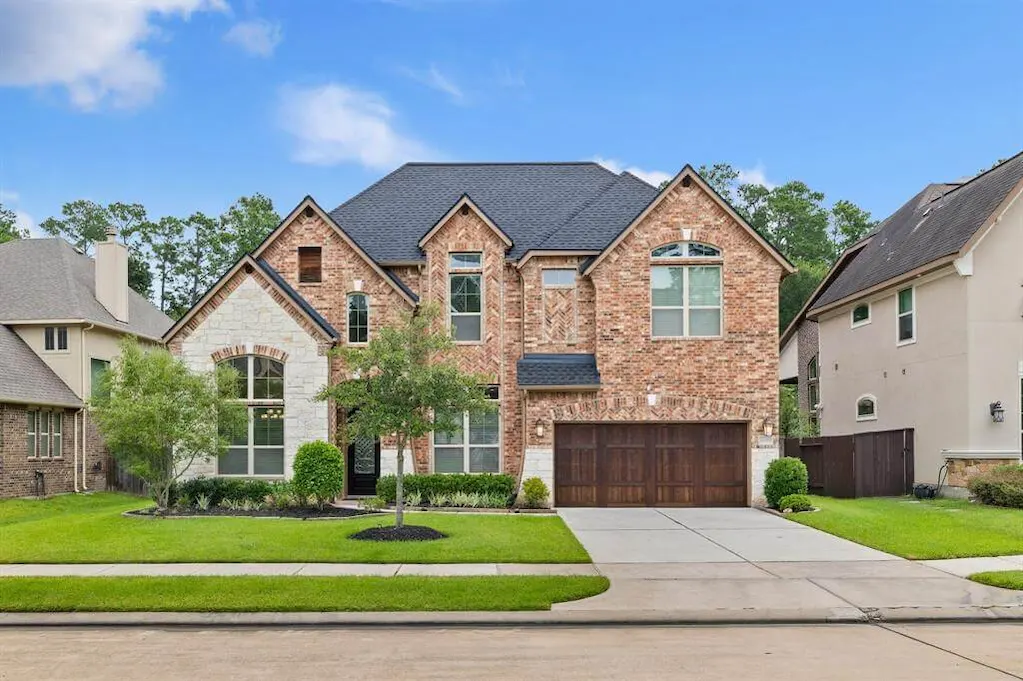
Houston Housing Market: 2025 vs. 2026 Trends

Houston housing market

Houston Housing Market Shows Greater Balance as Inventory Expands in 2026

A comparison of the Houston Association of REALTORS® (HAR) Monthly Housing Update and MLS Sales Activity reports from January through March of 2025 and 2026 reveals a market that remained resilient while continuing its transition toward greater balance. 

The first three months of 2025 reflected a more seller-oriented environment characterized by tighter inventory and stronger price appreciation. By comparison, the first quarter of 2026 showed increased housing supply, moderating home prices, and continued buyer activity. 

Despite affordability challenges and broader economic uncertainty, Houston maintained strong transaction volume, healthy pending sales activity, and expanding inventory throughout both years. 

Executive Summary

The defining trend during the first quarter of 2026 was inventory growth. 

Although overall sales activity remained relatively stable compared to 2025, the number of available homes increased significantly. This provided buyers with more options, reduced competition for listings, and contributed to slower price growth compared to the previous year. 

January–March Market Snapshot

Metric  Jan–Mar 2025  Jan–Mar 2026  Change (%) 
Total Property Sales  22,128  22,070  -0.26% 
Single-Family Home Sales  18,543  18,561  +0.10% 
Active Listings (Till March)  51,997  55,611  +6.95% 
Pending Sales  9,165  9,474  +3.37% 
Months Inventory  4.6  4.7  +2.17% 


While overall transaction volume remained nearly identical, the market structure shifted meaningfully. Buyers in 2026 benefited from greater inventory levels, while sellers faced more competition from an increasing number of active listings. 

Sales Activity Comparison

Houston’s housing market followed a typical seasonal pattern during both years, with sales activity increasing steadily through the first quarter.


Month  2025 Total Property Sales  2026 Total Property Sales  Change (%) 
January  6,173  6,045  -2.07% 
February  7,202  7,024  -2.47% 
March  8,753  9,001  +2.83% 


Although the market began slightly slower in 2026, sales activity accelerated during March and surpassed 2025 levels. 

This suggests buyer demand remained healthy despite changing affordability conditions and higher inventory levels. 

Single-Family Home Sales

Single-family homes continued to represent the largest segment of Houston’s housing market. 


Month  2025  2026  Change (%) 
January  5,064  4,999  -1.28% 
February  6,050  5,918  -2.18% 
March  7,429  7,644  +2.89% 


Single-family home sales exceeded 2025 levels during March 2026, indicating that buyers remained active as inventory expanded and market conditions became more balanced. 

Home Price Comparison

One of the most noticeable differences between the two periods was the pace of price appreciation. 

Average Home Prices

Month  2025 Average Price  2026 Average Price  Change (%) 
January  $406,492  $416,722  +2.52% 
February  $407,538  $415,091  +1.85% 
March  $427,221  $420,510  -1.57% 

Median Home Prices 

Month  2025 Median Price  2026 Median Price  Change (%) 
January  $325,000  $322,045  -0.91% 
February  $325,000  $322,078  -0.90% 
March  $335,000  $330,000  -1.49% 


The first quarter of 2025 experienced stronger price appreciation than the same period in 2026. 

By March, the median home price was 1.49% lower than the level recorded in March 2025. While prices remained historically strong, increased housing supply in 2026 reduced upward pressure on home values. 

Importantly, the data does not indicate declining property values. Instead, it suggests Houston entered a period of market normalization following several years of rapid appreciation. 

Inventory Expansion Defined the First Quarter of 2026

Inventory growth was the most significant trend throughout the first three months of 2026. 

Active Listings Comparison

Month  2025  2026  Change (%) 
January  47,864  54,589  +14.05% 
February  49,442  55,710  +12.68% 
March  51,997  55,611  +6.95% 


Houston consistently carried thousands more active listings in 2026 than during the same months in 2025. 

This increase provided buyers with greater choice and reduced the urgency often associated with highly competitive seller markets. 

Months of Inventory

Months of inventory remains one of the clearest indicators of overall market balance, measuring how long it would take to sell the current supply of available homes at the existing pace of sales.


Month  2025  2026  Change (%) 
January  4.3  4.7  +9.30% 
February  4.4  4.8  +9.09% 
March  4.6  4.7  +2.17% 


Inventory levels remained elevated throughout the first quarter of 2026, reflecting a gradual shift toward a more balanced housing market. 

With more homes available for sale, buyers gained additional choices and greater negotiating power, while sellers continued to benefit from healthy demand. Overall, the increase in inventory helped create a more stable and sustainable market environment compared to previous years. 

Pending Sales Continue to Support Market Strength

Pending sales often provide insight into future market activity and buyer confidence. 


Month  2025  2026  Change (%) 
January  6,745  6,813  +1.01% 
February  7,757  7,894  +1.77% 
March  9,165  9,474  +3.37% 


Pending sales exceeded 2025 levels during every month of the first quarter of 2026. 

This indicates that buyer demand remained active despite increased inventory and moderating price growth. 

What Changed Between 2025 and 2026?

The comparison highlights four major shifts: 

  1. Inventory Increased Significantly

The Houston market offered substantially more homes for sale throughout the first quarter of 2026, with active listings increasing between 6.95% and 14.05% compared to the same months in 2025. 

  1. Price Growth Moderated

Home values remained strong but appreciated at a slower pace compared to 2025. Average home prices softened slightly by March, while median prices remained relatively stable. 

  1. Buyer Demand Remained Healthy

Pending sales increased every month during the first quarter, ranging from 1.01% to 3.37% above 2025 levels. 

  1. Market Conditions Became More Balanced

Houston moved further away from the highly competitive seller-driven conditions of previous years and toward a healthier balance between supply and demand. 

Conclusion

The first quarter of 2025 and 2026 reveals a Houston housing market that remained resilient while continuing to evolve. 

The 2025 market was characterized by tighter inventory, stronger seller leverage, and faster price appreciation. By contrast, the first quarter of 2026 featured higher inventory levels, greater buyer choice, moderating price growth, and sustained demand. 

Although appreciation slowed, the underlying fundamentals of Houston’s housing market remained strong. Sales activity stayed healthy, pending sales increased, and inventory levels moved closer to a balanced range. 

Overall, the January–March 2026 data suggests Houston is not experiencing a market slowdown. Instead, the market appears to be undergoing a normalization process that supports long-term stability for both buyers and sellers. 

Source: Homes And Rentals 

Copyright © 2026. Adam Olsen. All Rights Reserved. As required by The Texas Real Estate Commission

×