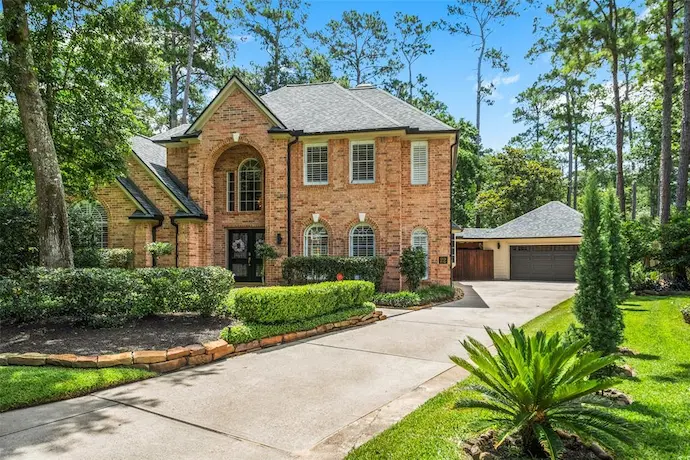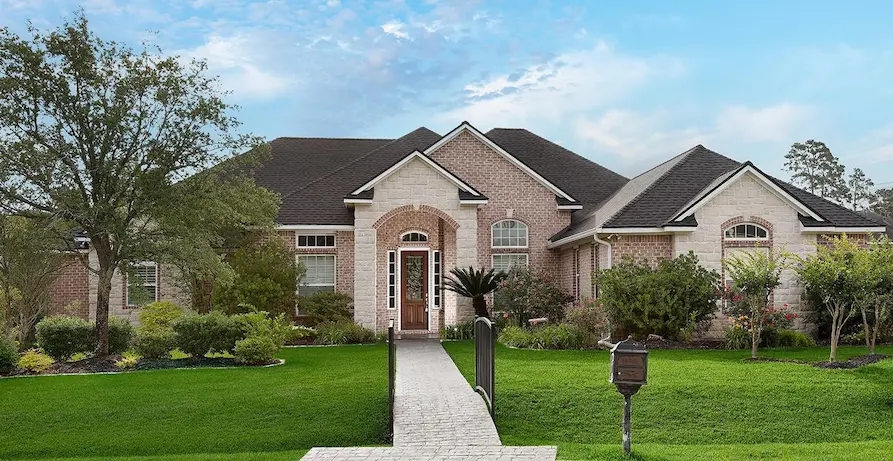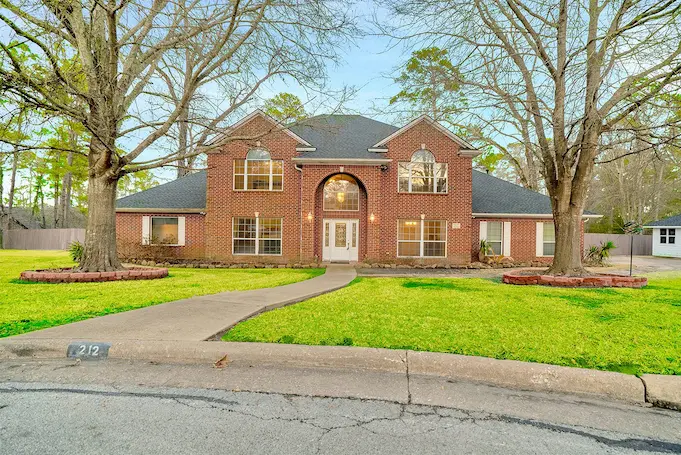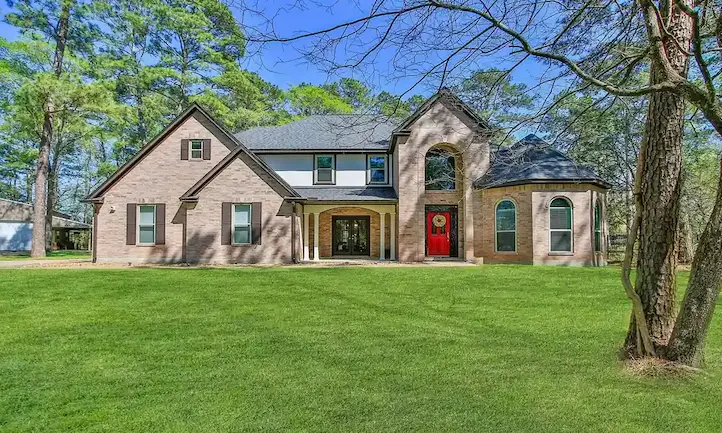
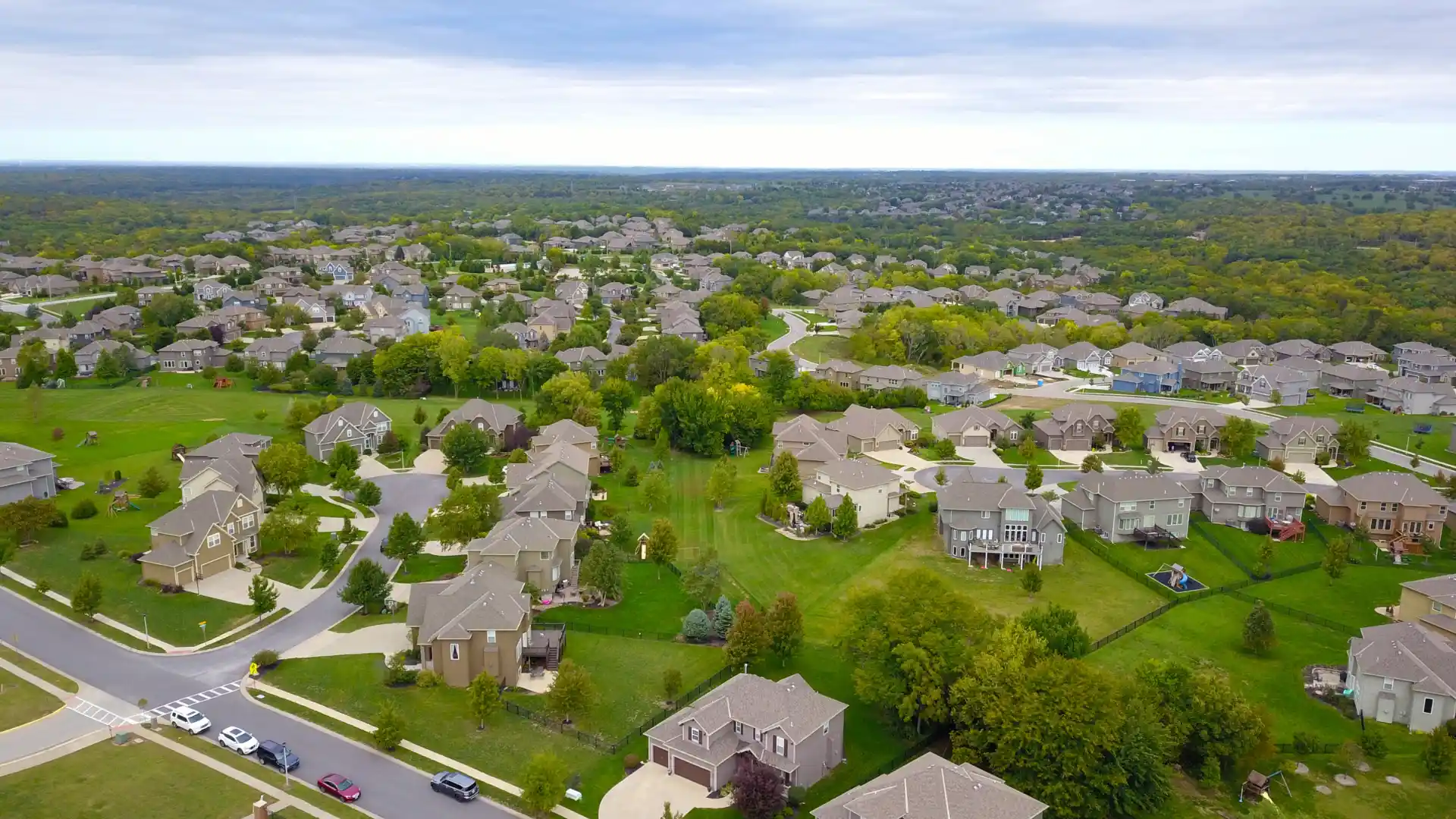
Luxury home exterior with brick and stone accents, large windows, and a well-maintained yard.

How Location Affects Residential Real Estate Prices

Location Affects Real Estate Value


Location is one of the most important factors influencing a home’s value. Two houses with similar layouts, square footage, and finishes can sell for different prices depending on their surroundings. School attendance zones, access to parks and employment centers, nearby traffic, and neighborhood amenities can influence buyer demand and pricing. Understanding these differences helps buyers and sellers evaluate a property’s position in the local market. 

For buyers, sellers, and investors across Texas, understanding how location affects real estate value is the difference between guessing and making an informed decision. The Adam Olsen Team has guided more than 5,000 property sales and over $1 billion in closed volume, and that experience, reinforced by local market data tracked by the Houston Association of Realtors, consistently points to the same conclusion: location drives value more than any renovation, upgrade, or finish ever will. 

What Makes Location the Top Value Driver?

Ask any experienced agent what matters most when pricing a home, and location tops the list every time. Before condition, before square footage, before the age of construction, buyers decide on a neighborhood first and a house second. Real estate professionals, including the National Association of Realtors, have long pointed to location as the top factor in fair market value, with size, condition, and age all ranking below geographic placement. 

The reason location carries so much weight is permanence. A dated kitchen can be remodeled. A cramped layout can sometimes be reconfigured. A house cannot be moved to a better street, a stronger school zone, or a quieter block. That fixed position locks in value, for better or worse, for as long as the home stands there. 

Why Does Location Outweigh Property Condition?

Condition is something an owner can change. A worn bathroom becomes modern with a renovation budget. Location doesn’t work that way. A home on a busy road stays on that road regardless of how well it’s maintained. A well-kept house in a declining area can lose value faster than a fixer-upper in a neighborhood on the rise, because buyers are paying for the address as much as the structure. 

How Much Can Location Shift a Home’s Price?

The swing between two nearly identical homes can run into six figures once location is factored in. A house tucked into a quiet cul-de-sac often sells for noticeably more than the same floor plan facing a busy highway, and that gap tends to hold steady across both strong and slow markets. Understanding what drives residential real estate value starts with accepting that the map matters as much as the materials. 

How Do Neighborhood Features Shape Home Prices?

A home’s surroundings affect its price almost as much as its square footage or bedroom count. Buyers weigh how easy an area is to get around, the general character of the streets, how much traffic passes through, the mix of nearby households, and how close the property sits to parks or open space. Two houses with the same layout can sell for noticeably different prices once these neighborhood factors enter the picture. 

What Neighborhood Characteristics Affect Home Value the Most?

Neighborhood features such as parks, walkability, traffic levels, and access to everyday services can influence buyer interest and property values. Their impact varies by location and market demand. Buyers should compare these characteristics alongside recent sales of similar homes to understand how they affect pricing. 

How Do Neighbors and Community Influence Real Estate Prices?

Who lives nearby matters more than it used to. Many buyers today are looking for a neighborhood where they feel they belong, not just a house that checks the right boxes. Areas with a strong sense of community and engaged residents tend to command higher prices, because buyers are paying for connection as much as square footage. 

The right neighborhood supports a different kind of buyer at every stage of life. Young professionals look for walkable, lively areas. Families prioritize safety and school quality. Retirees want quiet streets and nearby services. When a neighborhood doesn’t match what a buyer needs, resale value suffers, and sellers in that position often face longer listing periods and lower offers. 

Why Does Proximity to Amenities Raise Value?

Being close to the right amenities consistently pushes a home’s price higher. Buyers are willing to pay more for a property near parks, well-regarded schools, and convenient retail, because those features save time and improve daily life in ways a larger house alone can’t. 

Distance to those amenities also affects how quickly a home sells. A property within walking distance of everyday conveniences tends to draw more interest and move faster than a comparable home that requires a drive for groceries, schools, or recreation. 

What Types of Amenities Boost Home Values the Most?

Parks, walking trails, recreational facilities, shopping centers, and schools can contribute to a neighborhood’s appeal. However, the influence of each amenity on property value depends on local demand, accessibility, and surrounding market conditions. Buyers and sellers should evaluate these features alongside comparable property sales rather than assuming one amenity consistently produces the highest return. 

How Does Lake Recreation Affect Property Demand in Texas?

Montgomery County is one of the fastest-growing parts of the Greater Houston area. Buyers are drawn to the region for its mix of suburban living and lake recreation. Conroe, in particular, combines pine forests, lake access, established neighborhoods, and master-planned communities with easy reach of Greater Houston, without the density of living in the city center. Homes near Lake Conroe routinely sell for a premium over comparable properties further inland. 

How Does School District Quality Impact Prices?

Few factors move the needle on price like school district quality. For families with children, and for investors tracking resale demand, the school zone a home sits in is often the first filter in a search, ahead of price, size, or even the neighborhood itself. 

A home’s value reflects several factors working together, including income levels in the area, the character of the neighborhood, and how easy it is to get around. School quality tends to amplify all of them. Strong districts attract higher-income households, which in turn supports neighborhood stability and keeps prices moving upward over time. 

Why Do Buyers Pay More for Homes in Strong School Districts?

Competition is fierce for homes zoned to well-performing schools. That competition shrinks available inventory and often leads to bidding wars. Families will trade square footage, lot size, or a newer build to land in the right school zone, because the value of that zone tends to hold steady even when the broader market cools. Investors watch for the same pattern: properties in sought-after districts tend to hold their value better during downturns and recover faster afterward. 

Which Texas Markets Show the Strongest School-Driven Demand?

Conroe and The Woodlands are strong examples of this dynamic in the Houston area, pairing well-regarded schools with the kind of community amenities buyers are searching for. Anyone evaluating these markets should weigh school performance alongside commute times and property taxes, since all three affect the real cost of ownership. A home in a weaker school district typically faces a longer time on market and softer offers, no matter how well it’s maintained. 

What Should Buyers and Sellers Watch For?

Location factors shape price in ways that are easy to track once you know what to look for. Paying attention to the right neighborhood signals helps buyers negotiate from a position of knowledge and helps sellers price and time a listing correctly. 

Which Neighborhood Features Drive the Strongest Price Growth?

Proximity to good schools, job centers, and everyday amenities consistently pushes values higher. Buyers who research planned infrastructure projects before making an offer gain real negotiating leverage. Sellers who time a listing around visible community improvements, a new park, a school rating upgrade, a retail development, tend to capture a stronger return. 

How Do Lot-Level Details Change a Property’s Market Position?

Corner lots, cul-de-sac placement, and a good view create real value differences even between homes with identical floor plans. A home backing to green space will usually outsell an identical layout facing a busy road. These are details a renovation can’t fix. A new kitchen adds appeal, but a home’s physical position on the lot and in the neighborhood stays the same. 

What Signals Suggest a Location Will Appreciate Faster?

A few signals are worth watching: 

  • New commercial development opening within a mile or two 
  • School ratings improving over several consecutive years 
  • Homes in the ZIP code spending less time on the market than they used to 

The Adam Olsen Team tracks these signals across the Texas markets we serve, pairing that market knowledge with real marketing reach, over 2 million monthly social media impressions and a track record of more than 5,000 properties sold and $1 billion-plus in closed volume, to help clients act on them. Sellers who understand the key steps to selling a residential property can position their homes ahead of shifting buyer demand. 


Frequently Asked Questions

Why Does Location Outweigh Property Condition in Home Value?

Condition is something you can change with a renovation budget. Location is fixed. A dated bathroom can be modernized, but a home on a busy road stays on that road for as long as it stands, which is why a well-kept house in a declining area can lose value faster than a fixer-upper in a neighborhood on the rise. 

How Much Can Location Shift the Price of Nearly Identical Homes?

Quite a bit. A home on a quiet cul-de-sac typically sells for more than an identical floor plan facing a busy highway, and that gap tends to hold up across both strong and slow markets. 

What Neighborhood Features Most Affect Residential Property Values?

Proximity to parks and green space tends to add the most value, followed by walkable, low-traffic streets and a strong sense of community. Homes lacking these features generally take longer to sell and for less money. 

How Does Location Affect the Price of Residential Real Estate Overall?

Location affects price more than any other single factor, more than size, age, or condition, because it can’t be changed after the sale. School district quality, proximity to parks and retail, lot placement, and the character of the surrounding neighborhood all combine to set a ceiling or a floor on what a home is worth. Two structurally identical homes can differ significantly in price based purely on these location factors, and that difference tends to persist across market cycles. 


Ready to Put Location to Work for You?

Location is the one thing you can’t renovate your way around, which is why getting it right from the start matters more than any other decision in a real estate transaction. The Adam Olsen Team has guided more than 5,000 property sales and over $1 billion in closed volume across Texas, backed by a marketing reach of over 2 million monthly social media impressions that puts listings in front of serious buyers fast. 

Whether you’re buying in a sought-after school zone, selling a home near Lake Conroe, or trying to time a listing around a rising neighborhood, don’t leave it to guesswork. Talk with the Adam Olsen Team today and get a location-driven pricing strategy built on real local data, not assumptions. Get started now! 

The Home Selling Timeline: What to Expect


home selling timeline


Selling a house can look like a quick transaction: list it, get an offer, move on. In reality, the process includes preparing the property, finding a buyer, and completing the sale. Each stage depends on the home, local market conditions, and the contract. With more than 5,000 properties sold and over $1 billion in closed volume across Texas, the Adam Olsen Team helps sellers plan for the steps between the decision to sell and closing day. 

How Long Does Selling a Home Take?

A home’s selling timeline includes preparation, time on the market, and the period from contract to closing. Estimate these stages separately using current local conditions and the details of your transaction rather than assuming every sale will take the same number of weeks. 

That timeline moves depending on the home and the market. Local conditions, a home’s price and condition, and how quickly a buyer’s financing comes together all shape the pace of a sale. A well-priced home in a seller’s market tends to move quickly; one that needs repairs or is priced above what similar homes have sold for tends to sit. Having closed thousands of transactions across Texas, the Adam Olsen Team has a close view of how these variables play out from one market to the next. 

What Factors Stretch the Home Selling Timeline the Longest?

Three issues come up again and again as the reason a closing takes longer than expected. Buyer financing complications can add weeks on their own. Inspection findings that call for renegotiation slow momentum right when a deal should be moving forward. And a gap between the contract price and the appraised value forces a hard conversation about who covers the difference. Each of these costs time, and often money. 

How Does Preparation Time Affect the Total Selling Window?

Before a listing ever goes live, most sellers spend 6 to 8 weeks on repairs, decluttering, professional photography, and marketing strategy. The Adam Olsen Team’s guide to key steps in selling a residential property walks through that groundwork so sellers aren’t caught off guard once the home hits the market. 

A realistic budget is 4 to 5 months from the decision to sell to the closing table. The 10-to-15-week window most people think of as “the sale” is really just the second half. Everything that happens before it determines whether the home sells quickly or sits. 

What Should I Do 2 to 3 Months Before Listing?

The two to three months before listing matter more than most sellers expect. This is where the groundwork gets laid for everything that follows, from the list price to the buyer’s first impression, and sellers who skip it often leave money on the table. 

Timing is part of the strategy from day one. Deciding when to list, rather than listing the moment the idea comes up, gives a seller more room to negotiate. A rushed timeline tends to sacrifice that leverage; a deliberate one protects it. 

What Home Improvements Deliver the Best Return Before Selling?

Targeted repairs and updates are one of the more reliable ways to support a stronger sale price before listing. The improvements buyers notice first matter most: fresh paint, updated fixtures, and systems that work properly all signal a well-maintained home. In general, smaller cosmetic fixes tend to pay off more than large renovation projects started just before a sale. 

How Does Staging Affect Buyer Perception?

Staging starts with understanding what buyers in the local market are used to seeing. Clearing out personal items helps buyers picture themselves in the space, and rearranged furniture can make rooms feel bigger and more functional. Done well, staging turns an empty or cluttered room into one that photographs and shows well. 

Everything that happens in this one-to-three-month window, pricing strategy, marketing photography, and a buyer’s first impression, depends on decisions made here. Homes that skip this groundwork tend to sit longer and face more pressure to drop the price. 

What Happens in the Final Month Before Listing?

The final month is where preparation turns into execution. Repairs get finished, deep cleaning happens, and every room gets staged ahead of professional photography. Redfin’s research notes that sellers should start preparing roughly 6 to 8 weeks out, with extra time built in for bigger repairs, permits, or contractor work. By this last month, that work needs to be done. 

What Repairs Should Be Completed in the Last 30 Days?

At this point, the focus shifts to smaller, cosmetic fixes: touching up paint, tightening loose hardware, servicing the HVAC system. Major renovations should already be finished. The goal is a home that looks move-in ready, photographs well, and holds up under a buyer’s inspection. 

How Does Professional Media Impact the Listing?

This is also when professional photography and video get scheduled. The Adam Olsen Team builds its marketing around professional media and targeted campaigns to get a listing in front of as many buyers as possible. Staging happens before the shoot, and every room gets proper lighting and a declutter pass, because these photos are often a buyer’s first real look at the home. 

What Pricing Strategy Works Best Right Before Launch?

Pricing is the anchor for everything that follows. The team relies on a comparative market analysis, built from recent neighborhood sales and current competition, to set a list price designed to attract serious buyers quickly. Price too high and momentum stalls before it starts; price it right and early interest tends to follow. 

Behind the scenes, marketing is already building momentum. The team’s reach, over 2 million monthly social media impressions, goes to work driving visibility for client listings. Descriptions, feature sheets, and digital ads get drafted and approved, and a coming-soon campaign may go out on social platforms to build buyer curiosity before the home officially hits the market. 

What Happens After I Accept an Offer?

Accepting an offer is a milestone, not the finish line. Once the contract is signed, inspections, title work, and any required appraisal or financing steps must be coordinated around the agreed deadlines. The signed contract, not a general timeline estimate, sets the schedule and the parties’ obligations. 

What Steps Follow Contract Acceptance?

The post-offer phase moves through a set of checkpoints, each with its own deadline and its own consequences if it’s missed. 

  1. Deposit the earnest money. The buyer delivers earnest money to the title company within days of signing the contract. This funds escrow and signals the buyer is serious. 
  2. Complete the home inspection. A licensed inspector reviews the home’s structure, systems, and safety. The buyer may come back asking for repairs or a credit based on what they find. 
  3. Negotiate repair requests. Sellers review the buyer’s repair amendment here. AOT’s contract experts walk clients through that negotiation with clear communication about costs and timing. 
  4. Satisfy the appraisal requirement. The lender orders an appraisal to confirm the home supports the loan amount. A low appraisal usually means renegotiating the price or the buyer covering the gap in cash. 
  5. Clear title work. The title company checks the ownership history and resolves any liens or other encumbrances. Clear title is required to close, no exceptions. 
  6. Secure final loan approval. The buyer’s lender verifies employment, assets, and credit before fully underwriting the loan. Conditional approval often shows up weeks before the file is clear to close. 
  7. Conduct the final walkthrough. Usually 24 to 48 hours before closing, buyers walk the property one more time to confirm agreed-upon repairs are done and the home is in the condition they expect. 
  8. Attend closing and sign documents. Both sides sign the settlement statement, deed, and loan paperwork. The title company then disburses funds and records the deed. 

How Long Does the Post-Offer Period Typically Last?

Contract to closing generally spans 30 to 60 days. Redfin data shows the median home spent around 44 days on the market before going under contract over the past year, with roughly 30% of homes going under contract within two weeks of listing. The post-offer phase tacks on another month or two beyond that. Financing complexity, appraisal scheduling, and repair negotiations all affect exactly how long it takes. 

Who Manages the Details After an Offer Is Accepted?

This is where a full team earns its keep. AOT surrounds sellers with marketing professionals, contract experts, and a trusted vendor network, and keeps communication honest and direct with everyone involved. A smooth closing depends on the listing agent, the buyer’s agent, the lender, the title officer, and the inspectors all staying coordinated. Sellers working with experienced guidance tend to run into fewer surprises and fewer last-minute demands. 

What Common Mistakes Delay a Home Sale?

Review pricing, property condition, and competing listings when a home is not attracting interest. After an offer is accepted, keep inspection, appraisal, title, and financing deadlines on the calendar rather than assuming every delay is caused by the market. 

Why Does Overpricing Cause Longer Days on Market?

When inventory rises, buyers simply have more to choose from. That shift leads to longer days on market and, often, a price adjustment down the road. A home that sits unsold long enough starts to carry a stigma, and buyers may start wondering what’s wrong with it. By the time it sells, the final price often lands below what correct pricing from day one would have brought. 

How Do Market Fluctuations Affect a Seller’s Timing?

In Texas, market conditions move pricing power more than the season does. Sellers who price off last quarter’s comparable sales instead of current conditions give up leverage fast. When inventory is low, sellers typically have the upper hand, since fewer competing listings means less competition for buyers’ attention. When inventory rises, that leverage shifts to buyers, and unrealistic list prices get punished quickly. 

Avoiding these mistakes comes down to pricing a home against real, current data rather than guesswork. The Adam Olsen Team builds every listing price around market data drawn from closing more than $1 billion in Texas sales, which is what keeps a home from falling into the reduction cycle that erodes buyer confidence and shrinks final proceeds. 


Frequently Asked Questions

How Long Does Selling a Home Really Take?

Most homes take 10 to 15 weeks from listing to closing, but the full process, counting preparation and photography before the listing even goes live, tends to run closer to 4 or 5 months. 

How Much Time Should I Budget for Preparation Before Listing?

Plan 6 to 8 weeks of preparation before a home goes live, covering repairs, decluttering, staging, and professional photography. 


Conclusion

Selling a home comes down to a realistic timeline and steady execution at each stage. Preparation, pricing, and the post-offer period each carry their own risks if they’re rushed or ignored. Sellers who plan for the full 4- to 5-month process, and lean on experienced guidance along the way, tend to run into fewer delays and walk away with a stronger result.

What Drives the Value of Residential Real Estate

A large house surrounded by a generous yard


Every home has a price, but few homeowners understand what actually built that number. Interest rates, demographics, government policy, and dozens of property-specific details all pull in different directions long before an offer ever lands on the table. Add school ratings, comparable sales, and neighborhood appeal into the mix, and it becomes clear why two similar-looking homes can sell for very different amounts. 

For buyers, sellers, and investors across Texas, especially in fast-growing markets like Montgomery County, understanding these forces is not optional. It is the difference between pricing a home with confidence and guessing at a number that either scares off buyers or leaves money on the table. 

The Three Forces Behind Every Home’s Price

A home’s price settles at the exact point where a buyer’s top offer meets a seller’s bottom line. Dozens of variables push that number higher or lower before both sides ever agree. Missing even a handful of these factors leaves sellers guessing and buyers overpaying. 

Three forces shape that meeting point: the property itself, the neighborhood around it, and the market conditions at play. Together, they explain what determines property value far more than any single upgrade or listing price ever could. Skip this bigger picture, and it’s easy to misjudge what a home is actually worth. 

Physical, Locational, and Economic Value Drivers

Real estate value shifts from one property to the next based on a mix of physical, locational, and economic inputs. No two homes carry identical value drivers, even on the same street. Recognizing this variation matters: 

  • Property condition and features: square footage, layout, age, and upgrades 
  • Neighborhood characteristics: schools, safety, walkability, and nearby development 
  • Market conditions: inventory levels, buyer demand, and financing costs 

Why Accurate Valuation Matters Beyond the Closing Table?

Property value works as a reference point for far more than a single transaction. Lenders use it to secure loans, tax authorities use it to calculate assessments, and investors use it to weigh returns. Buying, selling, refinancing, and building a portfolio all hinge on getting that number right. 

Local expertise sharpens that accuracy. Operating out of Huntsville, Texas, AOT brings ground-level insight into how these home value drivers play out across Texas markets, not just theory pulled from a national report. 

How Property Features Shape What Buyers Pay?

Square footage, layout, age, and condition set the baseline for what any home commands on the market. These property-specific factors work together, not in isolation. A larger floor plan with a poor layout can lose ground to a smaller home that flows well and shows better. 

Condition carries outsized weight in this equation. Deferred maintenance signals future expense to buyers, and buyers price that risk into their offers. Homes that show pride of ownership close faster and closer to asking price. 

Which Home Improvements Actually Pay Off

Targeted home improvements raise a Greater Houston property’s value when the upgrades match buyer expectations for that neighborhood and price point. Not every renovation pays back equally. Strategic choices like kitchens, bathrooms, and curb appeal tend to outperform cosmetic or highly personalized changes that narrow a home’s buyer pool. 

AOT works across every price tier, guiding starter-home sellers and luxury estate owners through improvement decisions with the same level of attention. That consistency matters because feature evaluation shifts by market segment. 

Segment What Buyers Prioritize
Starter homes Functional layout, move-in-ready condition
Mid-range homes Updated kitchens/baths, curb appeal
Luxury estates Premium finishes, lot size, custom amenities

Luxury Buyers Weigh a Different Set of Priorities

Texas luxury buyers weigh a distinct set of premium features when judging a property’s worth. Finishes, privacy, land, and architectural distinction carry more weight here than in the general market. Pricing a luxury estate means reading those buyer priorities correctly, a skill that separates strong outcomes from stalled listings. 

Location Sets the Ceiling and the Floor

A spacious home featuring a large deck and a lush grassy yard, perfect for outdoor gatherings and relaxation.


Location sets a ceiling and a floor on what a home can sell for, often before square footage or upgrades ever enter the conversation. Growth patterns, commute access, and surrounding demand move pricing in ways a fresh coat of paint cannot fix. Montgomery County illustrates this clearly: it’s one of the fastest-growing parts of the Houston metropolitan area, and that growth keeps demand and pricing pressure elevated year after year. 

Buyers aren’t just purchasing a structure; they’re buying proximity, convenience, and future upside. Conroe and the broader Montgomery County area have drawn a steady wave of buyers who want Greater Houston access without the congestion of living downtown. That preference shapes which neighborhoods appreciate fastest and which ones lag behind. 

Neighborhood appeal ranks as a core driver of residential market value, standing alongside comparable sales as one of the most heavily weighted factors in any valuation. Two homes with identical layouts can post very different price tags simply because one sits in a neighborhood with stronger schools, tighter inventory, or a better long-term growth trajectory. 

Montgomery County and Lake Conroe: A Market on the Rise

Recognition matters as a signal of sustained neighborhood strength. AOT holds a top-tier, elite-producing ranking in the Montgomery County and Lake Conroe area, reflecting consistent activity and demand in these high-growth markets. Homeowners in these areas benefit from that visibility every time a comparable sale closes nearby. 

  • Regional growth rate and population trends 
  • Proximity to a major metro area without center-city drawbacks 
  • Neighborhood-level demand relative to available inventory 
  • Comparable sales activity in the immediate area 

How Shifting Market Conditions Move Prices

Market swings shift Texas home prices directly, sometimes within a matter of months. A rise in buyer demand pushes offers upward; a slowdown in showings pulls asking prices back down. These movements happen regardless of a property’s condition or upgrades, which makes market timing a core piece of understanding real estate valuation factors. 

Several forces sit outside a homeowner’s control yet still move the number on a closing statement. School district ratings, the volume of competing listings, and prevailing mortgage rates all factor into what buyers are willing to pay. 

  • School ratings: Strong districts pull sustained buyer interest, even during slower stretches 
  • Market inventory: Fewer competing listings tighten supply and support higher offers 
  • Mortgage rates: Lower rates expand buyer budgets; higher rates shrink them 

When External Conditions Outweigh Property Upgrades

Property conditions and square footage matter, but external conditions often carry more weight in a fast-moving market. Inventory levels and interest rates can outweigh cosmetic upgrades when buyer demand shifts quickly. A seller working from outdated pricing assumptions risks leaving real money on the table. 

Numbers tell the story better than guesswork. In a Texas market that moves this fast, data-backed strategy separates sellers who protect their equity from those reacting too late to changing conditions. 

The Value of Professional Guidance When Conditions Shift

A team with a track record across changing market cycles brings something a general market report can’t: pattern recognition built from real, closed deals. AOT’s ranking history in Walker County, Montgomery County, and statewide reflects that experience, and it’s what helps clients hold onto value even as conditions shift beneath them. 

Protecting Your Home’s Value for the Long Term

a large home with a spacious front yard and extensive landscaping


Two strategies stand out: claiming available tax exemptions and partnering with a team that has a proven record in the local market. Homeowners who skip these steps often leave money on the table, whether through avoidable tax bills or underpriced sales. 

A homestead exemption offers one of the most direct paths to protecting a property’s net value. This exemption lowers the taxable value of a primary residence, which reduces the annual property tax bill. Lower carrying costs translate into stronger long-term equity, since less income gets diverted to taxes each year. 

Market representation matters just as much as tax strategy. Buyers and sellers across Huntsville, Walker County, Montgomery County, and other Texas markets tend to see stronger outcomes when they work with a top-ranked team rather than an unproven agent. Track record isn’t a marketing phrase here; it shows up in closed transactions and sale prices. 

How Agent Track Record Shapes Final Sale Price

Rankings reflect real performance, not just reputation. AOT holds the #6 statewide position in Texas transactions according to RealTrends, a distinction earned through repeated closed sides across diverse markets. That volume signals negotiating experience, pricing accuracy, and buyer reach, all factors that shape a final sale price. 

Local Market Command vs. National Brand Recognition

Local command often outperforms broad brand recognition. AOT ranks #1 for total sales in Walker County and Huntsville, a position built on granular knowledge of neighborhood pricing trends and buyer demand. 

Protecting your home’s value comes down to combining smart tax planning with proven local expertise: 

  • Apply for available homestead exemptions to reduce tax exposure 
  • Choose representation with a documented sales record 

Together, these steps preserve equity and strengthen your negotiating position at resale. 

Get a Straight Answer on What Your Home Is Worth

In closing, residential property value never rests on a single factor, it emerges from the interplay of location, condition, market timing, and strategic positioning. Understanding these dynamics separates informed decisions from costly guesswork. Our team applies deep market knowledge and data-driven strategy to help clients navigate these variables with confidence, ensuring every listing is priced, presented, and marketed to reflect true value. Success in real estate comes from expertise applied consistently, and that remains the foundation of every transaction we guide from start to close. 

Guesswork is expensive, whether you’re pricing a sale, planning a purchase, or protecting an investment. AOT has sold over 5,000 properties across Texas and closed more than $1 billion in volume, backed by a #1 ranking in Walker County and a top-6 statewide position with RealTrends. That record is what turns market complexity into a clear, defensible number for your property. 

Call AOT today to get a data-backed valuation on your Huntsville, The Woodlands, Montgomery County, or Walker County home. 

Frequently Asked Questions

What are the three main forces that determine residential property value?

A home’s final price comes from three overlapping forces: the condition of the property, the strength of its neighborhood, and where the market stands at the time of sale. No single upgrade or listing price carries as much weight as these three combined. 

Why does property condition matter so much to buyers?

Buyers read deferred maintenance as a future bill and build that cost into their offer. A well-maintained home, by contrast, tends to sell quicker and closer to its asking price. 

Does every home renovation increase value equally?

No. Kitchen, bathroom, and curb-appeal updates tend to return more value than highly personalized or purely cosmetic changes, which can actually narrow the pool of interested buyers. 

The Process of Buying a Residential Property

Process of Buying a Residential Property


Buying a home breaks down into 13 key steps, from budgeting and mortgage pre-approval through house hunting, offers, inspection, and closing. A useful rule of thumb: keep your housing payment at or below roughly 28% of your gross monthly income. That keeps you within a lender’s comfort zone before you even start browsing listings. 

Purchasing a residential property means lining up financing, touring communities, and closing with the right guidance at each stage. AOT supports Texas buyers from starter homes to luxury estates, drawing on market knowledge across the residential market. With the right team in place, financing decisions, home tours, offer negotiations, and closing paperwork stop feeling like separate hurdles and start working as one coordinated process toward homeownership. 

Get Your Finances and Paperwork in Order First

Good preparation is what makes the home buying process feel manageable instead of stressful. Marine CU calls buying a home one of life’s biggest milestones, and a decision that size rewards careful groundwork over rushed action. Skipping preparation can cost buyers negotiating power, delay closings, and open the door to financing surprises that derail an otherwise strong offer. 

Financial readiness comes first. The Homebuying Process for First-Time Homebuyers recommends confirming mortgage preparedness before searching begins, not after falling for a listing. That means reviewing credit standing, calculating a realistic budget, and gathering the documentation lenders will ask for. 

Documents to Gather Before You Start Searching

Organizing paperwork early beats scrambling once an offer deadline hits. A prepared file typically includes: 

  1. Recent pay stubs and tax returns for income verification 
  2. Bank statements showing available funds for a down payment 
  3. Credit reports to identify and correct errors before applying 
  4. A pre-approval letter confirming borrowing capacity 

A Proven Local Track Record Adds Weight

Preparation alone doesn’t guarantee a winning offer in competitive Texas markets. AOT has closed more than $1 billion in transactions and sold over 5,000 properties across Texas, a record that informs the pricing strategy and negotiating guidance buyers receive from day one. 

Prepared buyers move faster once the right property appears. Pairing solid financial footing with experienced guidance turns preparation into a real competitive advantage, not just a checklist to complete. 

Set a Realistic Budget and Get Pre-Approved

A workable budget is the foundation of any residential property buying process in Texas. Skipping this step often leads to overspending, mortgage denial, or a rushed decision made under pressure. Buyers who calculate affordability first negotiate offers with confidence instead of guesswork. 

Building the budget starts with math, not a wish list. Add up total monthly take-home pay, then subtract every fixed non-housing expense: car payments, student loans, insurance, groceries. What’s left signals the monthly housing payment a buyer can sustain without financial strain. 

  1. Total monthly take-home income across all household earners. 
  2. List and subtract fixed monthly expenses, including debt payments and insurance. 
  3. Set a target down payment based on loan type and purchase price. 
  4. Apply for mortgage pre-approval to confirm borrowing power in writing. 
  5. Bring the pre-approval and budget to AOT for pricing guidance before touring homes. 

Down Payment Minimums Vary by Loan Type

Down payment amounts shift depending on loan type; there’s no single fixed rule. Conventional loans sometimes require as little as 3% of the purchase price, which lowers the upfront cash barrier for qualified buyers. Buyers should confirm minimums with their lender before assuming a specific percentage applies to their situation. 

Pre-approval turns a budget into buying power. AOT applies pricing strategy grounded in local sales data to help buyers understand true property value against their approved loan amount, so offers reflect real market conditions rather than sticker price alone. That approach carries buyers from spreadsheet math to a confident, competitive offer, backed by knowledge of Texas communities like Conroe and The Woodlands. 

Find a Neighborhood That Actually Fits Your Life

A brick home with a driveway and trees


Neighborhood selection matters more for long-term satisfaction than almost any other decision buyers make. Four factors stand out most: commute distance, budget ceiling, preferred pace of life, and tolerance for ongoing construction and development. Buyers who weigh these factors early are less likely to run into a costly resale mismatch down the road. 

AOT’s residential coverage spans starter homes to luxury estates across Texas communities, giving buyers options at every price point and life stage. That range matters because a young family’s priorities rarely match those of a retiree or a first-time investor. Matching home type to life stage, not just square footage, generally leads to a decision buyers are still happy with years later. 

Montgomery County, including Conroe, ranks among the fastest-growing parts of the Houston metropolitan area. Rapid growth brings new schools, retail, and infrastructure, but it also means construction noise and shifting traffic patterns for a few years. Buyers should weigh that trade-off when shortlisting neighborhoods. 

Factors Worth Comparing Before You Commit to an Area

Prioritize these factors before narrowing a list of candidate neighborhoods: 

  • Commute time to work, school, and regular errands 
  • Budget alignment, including property taxes and HOA fees 
  • Pace of life, from quiet suburban streets to active town centers 
  • Development tolerance, since growing areas mean ongoing construction 

Local Presence Sharpens Neighborhood Insight

Local grounding shortens the learning curve for buyers unfamiliar with an area’s microneighborhoods. AOT operates from Huntsville, Texas, giving clients a locally rooted resource for street-level, area-specific guidance instead of generic advice. That proximity often translates into sharper insight on which blocks hold value and which are still finding their footing. 

Make a Winning Offer and Get to the Closing Table

Making an offer means putting together a written proposal backed by financing proof, then moving through negotiation, inspection, and a final signing at the closing table. Skipping expert guidance at this stage can cost buyers leverage during negotiations and time during closing. AOT clients work with a dedicated team of contract experts and a trusted vendor network built for the offer-to-close stage. 

The steps to buy a house narrow sharply once a buyer identifies the right home. Decisions made in these final weeks determine the final price, the repair credits secured, and the closing date itself. Follow these steps in order: 

  1. Submit a written offer that includes price, contingencies, and a proposed closing timeline. 
  2. Negotiate terms with the seller, adjusting price or concessions as needed. 
  3. Schedule a home inspection and review findings before waiving contingencies. 
  4. Finalize mortgage approval with a lender or personal banker. 
  5. Secure a homeowners insurance policy ahead of closing. 
  6. Review closing disclosures and confirm all figures match the agreed contract. 
  7. Sign closing documents and transfer funds to complete the sale. 

The Professionals Who Guide You Through Offer and Closing

Real estate agents, personal bankers, mortgage brokers, and insurance agents each play a distinct role in guiding sound offer and closing decisions. A buyer working alone risks missing contract details or insurance gaps that surface only after signing. 

How AOT Keeps Small Issues From Becoming Big Ones

AOT’s contract experts and vendor network review paperwork at this stage, drawing on deep closing experience across Texas. A team with that much experience is quick to catch small issues before they turn into delays. 

Steer Clear of the Mistakes That Sink Deals Before Closing

A spacious brick home surrounded by a large, well-maintained yard


Financial instability is one of the more common reasons closings fall apart in the final stretch. Marine CU’s research on first-time buyers points to a clear pattern: once the home buying process begins in earnest, buyers should avoid changing jobs, opening new credit accounts, or making large cash purchases. A lender re-checks credit and income before closing, and any disruption puts the deal at risk. 

Avoid these specific actions between contract signing and closing day: 

  • Switching employers or changing pay structure 
  • Applying for auto loans, credit cards, or other financing 
  • Making large, undocumented cash purchases or deposits 
  • Co-signing loans for another person 
  • Opening new lines of credit, even store cards 

Careful Paperwork Review Heads Off Deal-Breaking Errors

Contract experts and a trusted vendor network review paperwork line by line, spotting issues buyers often miss on their own. This layered oversight helps protect the transaction when deadlines tighten and stakes rise. 

Staying Informed Through the Final Stretch

Staying connected to market activity and listing updates keeps buyers prepared for last-minute changes. AOT’s marketing reach, which generates over 2 million monthly social media impressions, helps keep buyers informed and connected to available options right up through closing. That visibility matters when timelines shift or a backup plan becomes necessary. 

Preparation remains the strongest defense against closing-day surprises. With self-education, sound planning, and steady discipline, buyers can move through this stage without the last-minute scramble that trips up so many transactions. 

Talk to AOT Before You Start Touring Homes

Buying a residential property comes down to preparation, the right budget, a neighborhood that fits your life, and a team that can carry you through the offer and closing without missteps. AOT brings that same track record and market knowledge to buyers working the Conroe, The Woodlands, and Huntsville markets. 

Every stage of the home buying process, from the first budget conversation to the closing table, gets easier with a team that knows the market and can show the numbers to prove it. That same track record is there the moment you decide to start looking. 

There’s no perfect time to buy a home, only a well-prepared one. Reach out to AOT today and take the next step toward owning it. 

Frequently Asked Questions

How many steps make up the process of buying a residential property?

Homeownership follows 13 key steps, covering budgeting and mortgage pre-approval through house hunting, offers, inspection, and closing on a new home. 

What is the 28% guideline for home affordability?

The 28% guideline limits a buyer’s housing payment to roughly 28% of gross monthly income, keeping costs within a lender’s comfort zone before searching listings. 

What documents should buyers gather before starting their home search?

A prepared file includes recent pay stubs and tax returns, bank statements showing down payment funds, credit reports, and a pre-approval letter confirming borrowing capacity. 

Key Steps in Selling A Residential Property

Selling A Residential Property

Selling a home is one of the biggest financial decisions a homeowner will make, and the early decisions you make can shape everything from buyer interest to the final closing. In The Woodlands, Conroe, and the surrounding communities, that means pricing the property using current local market data, completing seller disclosures under Texas Real Estate Commission guidelines, building a professional marketing campaign that puts the listing in front of qualified buyers, and managing negotiations through to a clean closing. AOT walks homeowners through each of these steps, bringing local market knowledge and hands-on support to every transaction across the region. 

Getting Your Home Ready to Sell in The Woodlands and Conroe

Good preparation shapes everything that follows. Homeowners across The Woodlands, Conroe, and surrounding communities need accurate pricing data, complete disclosure paperwork, licensed professional guidance, and a clear marketing plan before a home goes on the market. Skipping any of these steps can cost sellers time, negotiating leverage, and money at closing. 

Real estate transactions throughout Texas fall under oversight from the Texas Real Estate Commission (TREC), which licenses the agents and brokers who guide consumers through buying and selling property. That licensing structure exists to protect sellers during a complex legal and financial process. Homeowners should confirm that any professional they hire holds an active TREC license before signing a listing agreement. 

Gather Your Paperwork Early

Getting important paperwork in order before listing can save time later in the process. Property disclosures, previous inspection reports, tax records, and mortgage payoff information should be easy to access when buyers, agents, or lenders need them. 

What a Full-Service Team Brings to the Table

A full-service team takes the guesswork out of pricing, marketing, and negotiation. AOT, a Texas-based real estate team headquartered in Huntsville, brings that structure to sellers throughout The Woodlands, Conroe, and the surrounding area. 

AOT pairs marketing professionals with contract experts and a trusted vendor network to cover every stage of a sale. Pricing errors and paperwork gaps are common reasons closings get delayed or fall through, which is exactly why that combination matters. AOT’s approach centers on: 

  • Data-backed pricing strategies 
  • Coordinated marketing execution 
  • Contract review by experienced professionals 
  • Vendor relationships that keep repairs and inspections on schedule 

Timing Your Listing in The Woodlands and Conroe: What Actually Moves the Needle

There’s a reason spring gets so much attention in real estate, but the best time to sell isn’t as simple as circling a month on the calendar. What matters more is what’s happening in the market around your home when you’re ready to make a move. 

Inventory is a big part of that. When there are fewer homes for sale in The Woodlands, Conroe, and surrounding communities, sellers have less competition for buyer attention. That can create a stronger position when it comes to pricing and negotiations. As more homes hit the market, buyers have more choices, and sellers may need to be more thoughtful about price, presentation, and expectations. 

Interest rates, buyer activity, recent sales, and even what’s happening within a particular neighborhood can all change the picture. Two homeowners selling just a few miles apart can be working with very different market conditions. 

Instead of waiting for a supposedly perfect month, sellers are better served by understanding what buyers are doing, how much competition they’re facing, and what comparable homes are actually selling for. The right time to list is the time when those factors line up well for your home and your goals. 

Spring Traffic Isn’t a Price Guarantee

Spring gets a lot of credit as the best time to sell, and there are usually more buyers looking. But there are also more homes for them to choose from. Sometimes listing in the fall, when there’s less competition, can put a seller in a better position. It really comes down to what’s happening in your local market when you’re ready to sell. 

Study the Local Market Before Picking a Date

Sellers benefit from having a clear picture of what’s happening in their neighborhood before deciding when to list. Looking at current inventory, recent sales, price adjustments, and how quickly nearby homes are moving can help show where the market stands and what buyers are responding to. 

That’s where good local guidance makes a difference. Instead of choosing a date based on the season alone, sellers can make that decision with a better understanding of the market they’re stepping into. 

Preparing, Pricing, and Marketing Your Listing

Spacious house with a welcoming driveway and a mature tree,


Preparation starts with a clear reason for the sale and a realistic timeline. Pricing follows from current market data, not guesswork or wishful thinking. Marketing then determines whether the right buyer ever sees the listing. Skip any one of these three phases, and you could be risking a slower sale, lower offers, or both. 

Before contacting anyone, homeowners should settle on why they’re selling and when they need to close. A relocation with a hard deadline calls for a different pricing and marketing approach than a leisurely downsize. That clarity shapes budget decisions for repairs, staging, and listing timing. 

  1. Start with your goals and timeline. AOT takes the time to understand why you’re selling, where you’re headed next, and what a successful sale looks like for you. 
  1. Build a strategy around your local market. Your team looks at recent sales, current competition, buyer activity, and neighborhood trends to help determine the right timing and approach. 
  1. Price your home with purpose. AOT uses real market data and local experience to position your home competitively from the start, rather than relying on an online estimate or a one-size-fits-all formula. 
  1. Make sure your home shows its best. Professional photography, video, and thoughtful presentation help buyers see the value of your home before they ever walk through the door. Proper staging can also make a significant difference, and our team will guide you in those decisions as well. 
  1. Put the listing in front of the right buyers. AOT builds a marketing plan around your property, using our website presence, social media, and other marketing channels to create visibility and reach buyers where they’re already looking. 

What Agent Guidance Adds to Your Price?

An experienced agent provides support at every stage, from pricing through closing negotiations. Most homeowners don’t have regular access to comparable-sales data, buyer demand signals, and negotiation experience the way an agent does. That support helps reduce pricing mistakes and can shorten time-on-market. 

Marketing That Turns a Listing Into a Sale

AOT applies professional media, targeted advertising, and pricing strategy to maximize exposure for every listing, extending each property’s reach well beyond a yard sign or a handful of photos. 

Preparation Element Purpose
Timeline and motivation Guides repair and pricing decisions
Agent partnership Provides pricing and negotiation expertise
Professional media Attracts buyer attention online
Targeted campaigns Expands qualified buyer reach

Navigating Offers, Contracts, and Closing Day

Offers, contracts, and closing follow a structured sequence: sellers review purchase offers, negotiate terms, satisfy contract contingencies, then sign closing documents at a title company. Real estate transactions involve dense legal language, strict deadlines, and disclosure requirements. Because of that complexity, many sellers in The Woodlands, Conroe, and nearby cities choose to work with a licensed professional advisor who can manage contracts and guide the process from offer to close. 

Two categories of professionals handle these transactions: sales agents, who work under a sponsoring broker, and brokers themselves. Brokers carry direct responsibility for brokerage activity conducted under their name, including work performed by the agents they sponsor. That structure gives sellers a clear line of accountability when questions arise about contract terms or fiduciary duty. 

Inside a Contract Negotiation

Negotiation typically covers price, repair requests, financing contingencies, and the closing timeline. AOT’s contract experts guide sellers through counteroffers and contingency deadlines, which helps lower the risk of costly missteps. 

A typical closing sequence looks like this: 

  1. Review and respond to buyer offers with guidance from a licensed advisor. 
  1. Negotiate price, contingencies, and repair terms. 
  1. Complete required inspections and disclosure paperwork. 
  1. Satisfy financing and title conditions. 
  1. Sign closing documents and transfer ownership at the title company. 

The Payoff of a Coordinated Closing Team

Closing mistakes can cost sellers time, money, and sometimes the deal itself. AOT works to prevent that through local market knowledge and a full-service approach that stays with clients from listing through closing day. 

Our full-service structure connects marketing professionals, contract experts, and a trusted vendor network into one coordinated process, keeping negotiations, disclosures, and closing logistics moving toward the same outcome: a signed, funded, recorded sale that protects the seller’s interests every step of the way. 

Costly Mistakes Sellers Should Avoid in The Woodlands and Conroe

Charming brick home featuring a spacious driveway and lush trees


Skipping professional guidance is one of the costliest choices a homeowner can make. National Association of Realtors data cited by HomeLight shows only 5% of total home sales close as for-sale-by-owner transactions, a figure that hints at how much expertise typically goes into a successful closing. Sellers who attempt the process alone often underestimate pricing strategy, disclosure requirements, and negotiation demands. 

Confusion about the process itself creates another common trap. Without guidance, the steps involved in selling a home can feel overwhelming rather than straightforward. Missed disclosures, rushed pricing decisions, and unclear communication with buyers tend to trace back to the same root cause: inadequate preparation before the home ever hits the market. 

How Local Experience Lowers the Risk

Working with an experienced local team reduces exposure to costly missteps. AOT holds the #1 ranking for total sales among teams in Walker County, Huntsville, according to HAR.com sales data, and works with sellers throughout Montgomery County, including The Woodlands and Conroe. That track record reflects familiarity with local pricing trends and buyer behavior. 

Straight Talk Keeps a Sale on Track

Honest, clear communication keeps a transaction on track from listing to closing. Sellers who get straightforward updates about offers, timelines, and paperwork tend to avoid the surprises that derail deals late in the process. 

Common mistakes to avoid include: 

  • Pricing based on emotion rather than market data 
  • Delaying required disclosures until late in negotiations 
  • Underestimating marketing needs for the property 
  • Choosing representation without a verified sales record 

The AOT Advantage for The Woodlands and Conroe Sellers

Every step covered here, from pricing and paperwork to negotiation and closing, comes down to having the right people in your corner. AOT brings data-backed pricing, professional marketing, and hands-on contract support to sellers throughout The Woodlands, Conroe, and the surrounding communities, backed by a track record built on closed transactions rather than promises. 

Frequently Asked Questions

What are the key steps in selling a residential property in Texas?

Sellers, oftentimes with the support of professionals, price the home using current market data, complete TREC-required disclosures, market their listing, negotiate offers, and coordinate title, inspection, and closing paperwork. 

What documents should sellers gather before listing?

Sellers need property disclosure forms, past inspection reports, tax records, and mortgage payoff information organized before listing to avoid delays when buyers request verification. 

Is there a best time of year to list a home in The Woodlands or Conroe?

No single month guarantees top dollar. Local inventory levels, interest rates, and submarket conditions determine seller leverage more than seasonal trends. 

Ready to Sell? Let’s Talk Today

In closing, selling a residential property in Texas rewards sellers who follow a clear strategy: prepare the home, price it accurately, market it aggressively, and negotiate with confidence. Each step builds on the last, turning a complex transaction into a streamlined path toward closing. Our team approaches every sale with this same disciplined process, pairing market knowledge with professional execution to protect our clients’ interests. The result is a smoother experience and a stronger outcome for sellers across Huntsville and the surrounding Texas market. 

If you’re ready to list your home in The Woodlands, Conroe, or a nearby community, or just want a straight answer about what it’s worth in today’s market, AOT is ready to help. Call AOT today to get started. 

Understanding the Impact of Landscaping on Your Home’s Value

impact of landscaping in home value


For Texas homeowners preparing to sell, landscaping is one of the fastest ways to shape how buyers judge a property before they ever step through the front door. In fast-growing markets like Conroe and Montgomery County, mature trees, tended gardens, and finished outdoor spaces help a listing stand out, compete for buyer attention, and support stronger offers. 

Landscaping’s Direct Line to a Higher Sale Price

Landscaping moves resale value because buyers pay a measurable premium for a finished, well-designed exterior before they ever step inside. AOT treats yard improvements as a core part of pre-listing strategy, not an afterthought squeezed in before photos. A well-maintained, professionally designed landscape can meaningfully raise a home’s resale price, turning curb appeal into a real line item on the closing statement rather than a nice-to-have. 

That premium isn’t guesswork. AOT points to targeted home improvements, landscaping chief among them, as a proven way to elevate Greater Houston property values ahead of a sale. Sellers who invest strategically in outdoor spaces position their listings to compete harder in a crowded Texas market. 

Buyers Notice Design Before They Notice Size

Design sophistication matters more than square footage of green space. A seven-state survey of home-and-garden-show attendees looked at how plant size, plant type, and design quality shape buyers’ perceived property value, and found that thoughtful composition beats sheer volume of plantings almost every time. 

Not Every Landscaping Dollar Pays Off the Same

Landscaping spends don’t carry equal weight. Sellers get the strongest return from a few specific categories: 

  • Mature plant selection: larger, well-placed specimens read as established and cared-for. 
  • Cohesive design: coordinated layouts consistently outperform scattered, mismatched plantings. 
  • Consistent maintenance: a polished, tended look keeps the value bump intact through closing. 

AOT’s track record, more than 5,000 closings and over $1 billion in Texas sales volume, reflects the market knowledge sellers need when deciding where those landscaping dollars go before listing. That experience helps investors and homeowners prioritize the improvements appraisers and buyers actually reward, instead of guessing at what curb appeal means in practice. 

Where the Real Return Actually Comes From

A spacious home featuring a pool with elegant steps leading down to it


Basic upkeep beats luxury upgrades for resale math. The National Association of Realtors’ 2023 Remodeling Impact Report on outdoor features found that standard lawn care service returns 217% of its cost at resale, while an in-ground pool returns just 56%. That gap tells sellers something counterintuitive: a manicured lawn often outperforms a backyard oasis. How much landscaping adds to a home’s value depends less on how much sellers spend and more on where they spend it. 

Timing and project selection matter as much as budget. A lawn refresh and clean beds finished well before listing photos can help a home show at its best from day one on the market. The same projects rushed, skipped, or aimed at the wrong feature end up as cash sunk into upgrades buyers simply don’t notice. 

Lawn Care Outperforms a Pool at Resale

A well-kept lawn costs far less to install and maintain, yet it returns more than double its cost at resale. A pool, by contrast, recovers barely half its cost, making it a harder upgrade to justify on resale value alone. 

Sellers weighing where to invest can compare the two extremes directly:

Project Resale Return
Standard Lawn Care 217% of cost
In-Ground Pool 56% of cost

AOT has closed more than 5,000 Texas transactions, and that experience shapes practical guidance for sellers: prioritize maintenance-driven curb appeal before chasing statement features, and lean on local market knowledge to decide which upgrades actually move a Texas appraisal. 

First Impressions Start at the Curb

A visitor’s eye lands on the front lawn before anything else. That strip of grass, the walkway, and the entry door form the first judgment a buyer makes about a property, often before a showing even begins. The backyard view matters too, since it colors the mood of interior rooms once someone steps through the door. Together, these details set the emotional tone for the whole visit. 

Landscaping’s effect on home value often comes down to finishing touches many sellers overlook. A backyard left half-done signals neglect, while planted trees and cultivated garden beds send the opposite message. Sellers across Texas who complete these projects ahead of listing tend to get a more polished, move-in-ready presentation, one that photographs well and reads well in person. 

Fix the Front Yard Before the Backyard

Front-yard condition deserves attention before backyard projects, since it drives that critical first glance. Sellers preparing a Greater Houston listing benefit from treating the exterior as step one in the broader staging process, not a task squeezed in the day before a showing. 

A short punch list helps prioritize the work: 

  • Repair or refresh the walkway and entry path 
  • Trim overgrown shrubs and edge the lawn cleanly 
  • Plant trees or flowering beds near the entrance 
  • Finish any incomplete backyard hardscaping 

A Finished Yard Sells Better in Photos Too

Curb appeal photographs well. A yard that looks finished gives professional media something strong to capture. Once the exterior is show-ready, targeted marketing campaigns can spotlight that presentation and pull more buyer attention toward the listing. 

Landscaping Priorities Shift Across Texas Markets

Local growth patterns decide which outdoor upgrades pay off across Montgomery County and the wider Houston region. Montgomery County is one of the fastest-growing parts of the Houston metro area, a trend that raises the stakes for move-in-ready curb appeal. Sellers who skip landscaping updates risk losing ground to newer, better-presented listings competing for the same buyers. 

Conroe’s landscape isn’t one thing. Pine forests, lakefront lots, established older neighborhoods, and master-planned communities all sit within the same market, and each setting calls for a different approach. A wooded lot near Lake Conroe benefits from cleared sightlines and native plantings that frame the water view. A home in a master-planned community needs tighter, more manicured beds that match neighborhood standards. 

One Planting Plan Doesn’t Fit Every Market

Guidance on landscaping and resale value shifts depending on where a property sits, from Huntsville and The Woodlands down to Houston, Dallas, and Waco. Buyer expectations in a lakeside recreational market differ sharply from those in a dense urban submarket, and a one-size-fits-all planting plan underperforms in at least one of those areas. 

The Value Boost Isn’t Reserved for Luxury Listings

The premium tied to mature trees and well-executed landscaping extends well beyond high-end properties. Mid-market sellers across Texas capture real gains from the same fundamentals: healthy lawns, established trees, and clean bed lines, without needing a luxury budget to see the return. 

Landscaping priorities by setting:

  • Wooded/lake lots: preserve mature trees, clear key sightlines 
  • Master-planned communities: uniform, tidy plantings that match HOA standards 
  • Established neighborhoods: refreshed beds and updated foundation plantings 

A Smarter Sequence for Pre-Listing Landscaping

Aerial view of a vibrant neighborhood featuring a sparkling pool


Sellers should prioritize the curb appeal projects buyers notice first: lawn health, entry beds, and tree condition. Skipping this order wastes budget on upgrades appraisers and buyers tend to overlook. AOT, based in Huntsville, Texas, applies statewide market knowledge to guide sellers toward landscaping investments that match local buyer expectations rather than generic advice. 

Many homeowners hope their landscaping work will earn a strong return, but the payoff depends on which projects come first. Spending the most doesn’t guarantee the best outcome; choosing the right sequence matters more than the total dollar amount poured into the yard. 

Start at the Curb, Save the Big Projects for Later

Sellers get the most traction from projects visible at the curb and near the entryway. Lawn repair, fresh mulch, trimmed shrubs, and healthy trees create an immediate first impression before a buyer steps inside. Larger structural additions, like patios or outdoor kitchens, can wait until the basics are handled. 

A Coordinated Plan Keeps the Listing Process on Track

A clear plan removes much of the guesswork sellers face when pricing and prepping a property for the Texas market. Landscaping and pricing strategy built together from the start make the process feel far less stressful, confusing, or rushed. Coordinating both pieces early prevents last-minute scrambling before photos and showings. 

AOT’s specialized team, including marketing professionals and a trusted vendor network, helps sellers convert landscaping and curb-appeal upgrades into stronger offers. That support covers: 

  • Identifying which yard improvements matter most for a given property type 
  • Coordinating vendor timelines so upgrades finish before listing photos 
  • Positioning finished landscaping within marketing materials to attract buyer attention 

That kind of coordination keeps sellers focused on what actually moves a sale forward. 

Frequently Asked Questions

How much value does landscaping add to a home?

There’s no single fixed number, but the data points to real returns. Standard lawn care alone returns 217% of its cost at resale, according to the National Association of Realtors’ 2023 Remodeling Impact Report, and a well-maintained, professionally designed landscape consistently outperforms a neglected yard in buyer perception. 

What landscaping investments give the best return?

Basic lawn care outperforms luxury upgrades: standard lawn care service returns 217% of its cost at resale, while an in-ground pool returns only 56%, per the same NAR report. 

What matters more, plant quantity or design quality?

Design quality wins. Research into home-and-garden-show attendees across seven states found that plant size, plant type, and thoughtful composition shape buyers’ perceived property value more than sheer amounts of greenery. 

Ready to Turn Your Landscaping Into a Stronger Home Sale?

Landscaping is one piece of a much bigger pre-listing strategy, and getting the sequence right takes local market knowledge, not guesswork. AOT has closed more than 5,000 Texas transactions and puts that experience to work for homeowners across Conroe, Montgomery County, and the greater Houston region, pairing landscaping guidance with professional media, targeted marketing, and pricing strategy built around each property. 

If you’re preparing to sell and want a clear read on which outdoor projects are actually worth the investment, reach out to the Adam Olsen Team to get started. 

Copyright © 2026. Adam Olsen. All Rights Reserved. As required by The Texas Real Estate Commission

×