

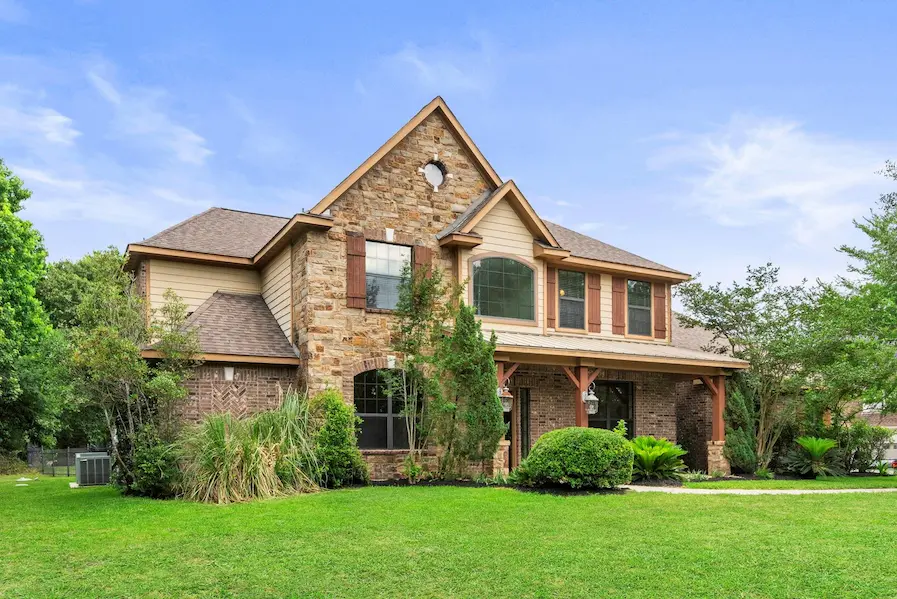
Every home has a price, but few homeowners understand what actually built that number. Interest rates, demographics, government policy, and dozens of property-specific details all pull in different directions long before an offer ever lands on the table. Add school ratings, comparable sales, and neighborhood appeal into the mix, and it becomes clear why two similar-looking homes can sell for very different amounts.
For buyers, sellers, and investors across Texas, especially in fast-growing markets like Montgomery County, understanding these forces is not optional. It is the difference between pricing a home with confidence and guessing at a number that either scares off buyers or leaves money on the table.
The Three Forces Behind Every Home’s Price
A home’s price settles at the exact point where a buyer’s top offer meets a seller’s bottom line. Dozens of variables push that number higher or lower before both sides ever agree. Missing even a handful of these factors leaves sellers guessing and buyers overpaying.
Three forces shape that meeting point: the property itself, the neighborhood around it, and the market conditions at play. Together, they explain what determines property value far more than any single upgrade or listing price ever could. Skip this bigger picture, and it’s easy to misjudge what a home is actually worth.
Physical, Locational, and Economic Value Drivers
Real estate value shifts from one property to the next based on a mix of physical, locational, and economic inputs. No two homes carry identical value drivers, even on the same street. Recognizing this variation matters:
- Property condition and features: square footage, layout, age, and upgrades
- Neighborhood characteristics: schools, safety, walkability, and nearby development
- Market conditions: inventory levels, buyer demand, and financing costs
Why Accurate Valuation Matters Beyond the Closing Table?
Property value works as a reference point for far more than a single transaction. Lenders use it to secure loans, tax authorities use it to calculate assessments, and investors use it to weigh returns. Buying, selling, refinancing, and building a portfolio all hinge on getting that number right.
Local expertise sharpens that accuracy. Operating out of Huntsville, Texas, AOT brings ground-level insight into how these home value drivers play out across Texas markets, not just theory pulled from a national report.
How Property Features Shape What Buyers Pay?
Square footage, layout, age, and condition set the baseline for what any home commands on the market. These property-specific factors work together, not in isolation. A larger floor plan with a poor layout can lose ground to a smaller home that flows well and shows better.
Condition carries outsized weight in this equation. Deferred maintenance signals future expense to buyers, and buyers price that risk into their offers. Homes that show pride of ownership close faster and closer to asking price.
Which Home Improvements Actually Pay Off
Targeted home improvements raise a Greater Houston property’s value when the upgrades match buyer expectations for that neighborhood and price point. Not every renovation pays back equally. Strategic choices like kitchens, bathrooms, and curb appeal tend to outperform cosmetic or highly personalized changes that narrow a home’s buyer pool.
AOT works across every price tier, guiding starter-home sellers and luxury estate owners through improvement decisions with the same level of attention. That consistency matters because feature evaluation shifts by market segment.
| Segment | What Buyers Prioritize |
|---|---|
| Starter homes | Functional layout, move-in-ready condition |
| Mid-range homes | Updated kitchens/baths, curb appeal |
| Luxury estates | Premium finishes, lot size, custom amenities |
Luxury Buyers Weigh a Different Set of Priorities
Texas luxury buyers weigh a distinct set of premium features when judging a property’s worth. Finishes, privacy, land, and architectural distinction carry more weight here than in the general market. Pricing a luxury estate means reading those buyer priorities correctly, a skill that separates strong outcomes from stalled listings.
Location Sets the Ceiling and the Floor
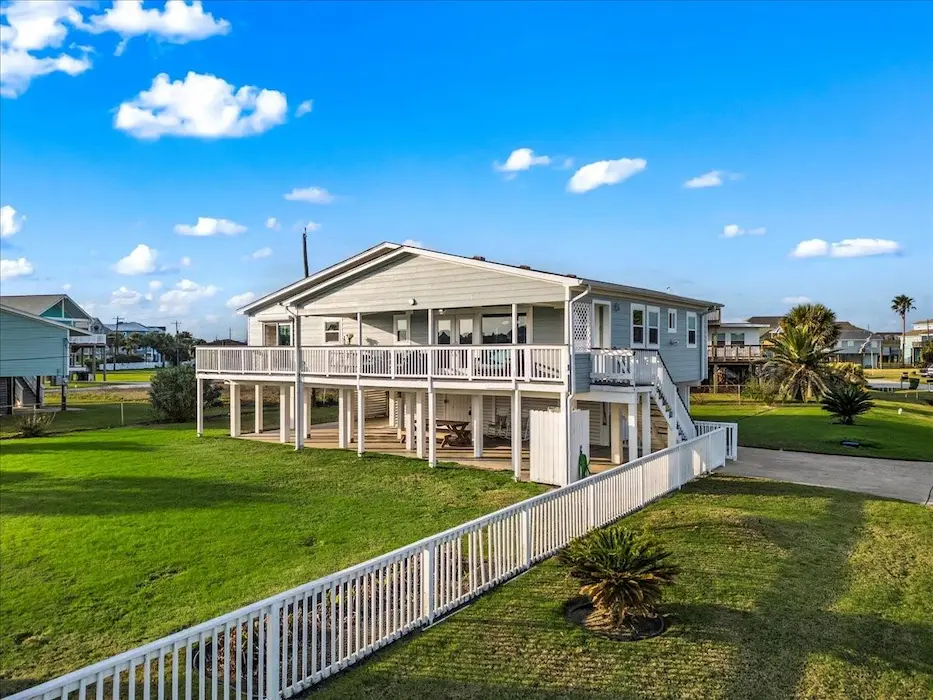
Location sets a ceiling and a floor on what a home can sell for, often before square footage or upgrades ever enter the conversation. Growth patterns, commute access, and surrounding demand move pricing in ways a fresh coat of paint cannot fix. Montgomery County illustrates this clearly: it’s one of the fastest-growing parts of the Houston metropolitan area, and that growth keeps demand and pricing pressure elevated year after year.
Buyers aren’t just purchasing a structure; they’re buying proximity, convenience, and future upside. Conroe and the broader Montgomery County area have drawn a steady wave of buyers who want Greater Houston access without the congestion of living downtown. That preference shapes which neighborhoods appreciate fastest and which ones lag behind.
Neighborhood appeal ranks as a core driver of residential market value, standing alongside comparable sales as one of the most heavily weighted factors in any valuation. Two homes with identical layouts can post very different price tags simply because one sits in a neighborhood with stronger schools, tighter inventory, or a better long-term growth trajectory.
Montgomery County and Lake Conroe: A Market on the Rise
Recognition matters as a signal of sustained neighborhood strength. AOT holds a top-tier, elite-producing ranking in the Montgomery County and Lake Conroe area, reflecting consistent activity and demand in these high-growth markets. Homeowners in these areas benefit from that visibility every time a comparable sale closes nearby.
- Regional growth rate and population trends
- Proximity to a major metro area without center-city drawbacks
- Neighborhood-level demand relative to available inventory
- Comparable sales activity in the immediate area
How Shifting Market Conditions Move Prices
Market swings shift Texas home prices directly, sometimes within a matter of months. A rise in buyer demand pushes offers upward; a slowdown in showings pulls asking prices back down. These movements happen regardless of a property’s condition or upgrades, which makes market timing a core piece of understanding real estate valuation factors.
Several forces sit outside a homeowner’s control yet still move the number on a closing statement. School district ratings, the volume of competing listings, and prevailing mortgage rates all factor into what buyers are willing to pay.
- School ratings: Strong districts pull sustained buyer interest, even during slower stretches
- Market inventory: Fewer competing listings tighten supply and support higher offers
- Mortgage rates: Lower rates expand buyer budgets; higher rates shrink them
When External Conditions Outweigh Property Upgrades
Property conditions and square footage matter, but external conditions often carry more weight in a fast-moving market. Inventory levels and interest rates can outweigh cosmetic upgrades when buyer demand shifts quickly. A seller working from outdated pricing assumptions risks leaving real money on the table.
Numbers tell the story better than guesswork. In a Texas market that moves this fast, data-backed strategy separates sellers who protect their equity from those reacting too late to changing conditions.
The Value of Professional Guidance When Conditions Shift
A team with a track record across changing market cycles brings something a general market report can’t: pattern recognition built from real, closed deals. AOT’s ranking history in Walker County, Montgomery County, and statewide reflects that experience, and it’s what helps clients hold onto value even as conditions shift beneath them.
Protecting Your Home’s Value for the Long Term
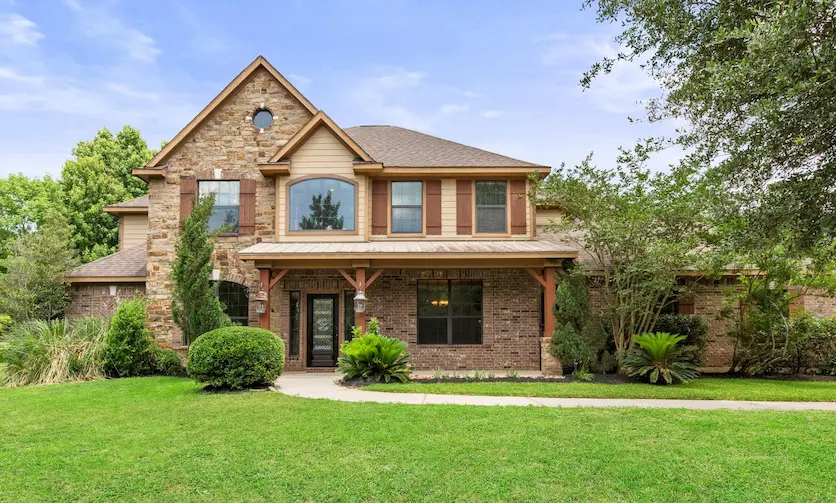
Two strategies stand out: claiming available tax exemptions and partnering with a team that has a proven record in the local market. Homeowners who skip these steps often leave money on the table, whether through avoidable tax bills or underpriced sales.
A homestead exemption offers one of the most direct paths to protecting a property’s net value. This exemption lowers the taxable value of a primary residence, which reduces the annual property tax bill. Lower carrying costs translate into stronger long-term equity, since less income gets diverted to taxes each year.
Market representation matters just as much as tax strategy. Buyers and sellers across Huntsville, Walker County, Montgomery County, and other Texas markets tend to see stronger outcomes when they work with a top-ranked team rather than an unproven agent. Track record isn’t a marketing phrase here; it shows up in closed transactions and sale prices.
How Agent Track Record Shapes Final Sale Price
Rankings reflect real performance, not just reputation. AOT holds the #6 statewide position in Texas transactions according to RealTrends, a distinction earned through repeated closed sides across diverse markets. That volume signals negotiating experience, pricing accuracy, and buyer reach, all factors that shape a final sale price.
Local Market Command vs. National Brand Recognition
Local command often outperforms broad brand recognition. AOT ranks #1 for total sales in Walker County and Huntsville, a position built on granular knowledge of neighborhood pricing trends and buyer demand.
Protecting your home’s value comes down to combining smart tax planning with proven local expertise:
- Apply for available homestead exemptions to reduce tax exposure
- Choose representation with a documented sales record
- Prioritize teams with local, market-specific ranking data over general reputation
Together, these steps preserve equity and strengthen your negotiating position at resale.
Get a Straight Answer on What Your Home Is Worth
In closing, residential property value never rests on a single factor, it emerges from the interplay of location, condition, market timing, and strategic positioning. Understanding these dynamics separates informed decisions from costly guesswork. Our team applies deep market knowledge and data-driven strategy to help clients navigate these variables with confidence, ensuring every listing is priced, presented, and marketed to reflect true value. Success in real estate comes from expertise applied consistently, and that remains the foundation of every transaction we guide from start to close.
Guesswork is expensive, whether you’re pricing a sale, planning a purchase, or protecting an investment. AOT has sold over 5,000 properties across Texas and closed more than $1 billion in volume, backed by a #1 ranking in Walker County and a top-6 statewide position with RealTrends. That record is what turns market complexity into a clear, defensible number for your property.
Call AOT today to get a data-backed valuation on your Huntsville, The Woodlands, Montgomery County, or Walker County home.
Frequently Asked Questions
What are the three main forces that determine residential property value?
A home’s final price comes from three overlapping forces: the condition of the property, the strength of its neighborhood, and where the market stands at the time of sale. No single upgrade or listing price carries as much weight as these three combined.
Why does property condition matter so much to buyers?
Buyers read deferred maintenance as a future bill and build that cost into their offer. A well-maintained home, by contrast, tends to sell quicker and closer to its asking price.
Does every home renovation increase value equally?
No. Kitchen, bathroom, and curb-appeal updates tend to return more value than highly personalized or purely cosmetic changes, which can actually narrow the pool of interested buyers.

