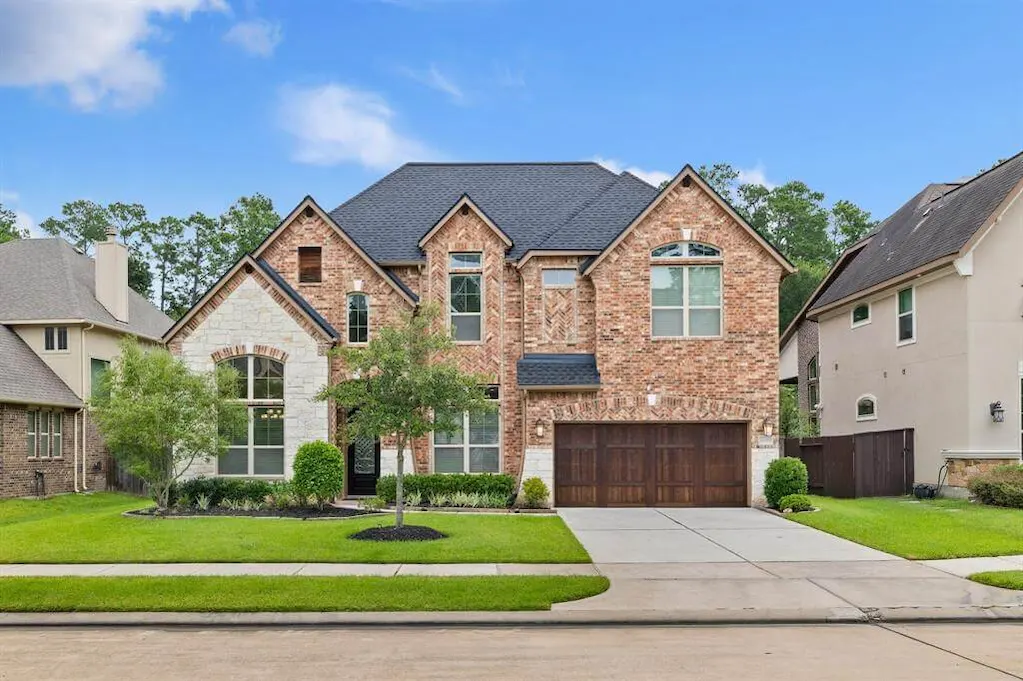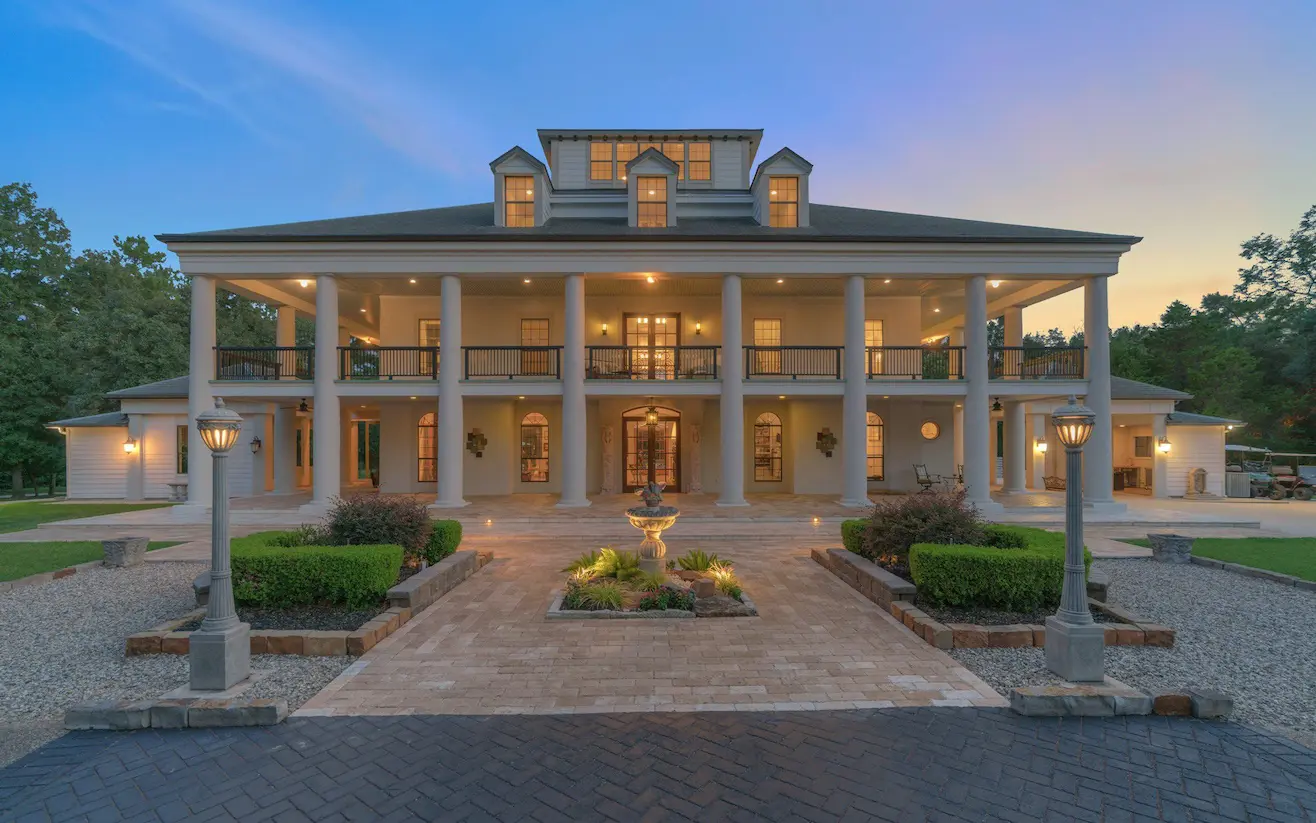
Luxury home exterior with brick and stone accents, large windows, and a well-maintained yard.

Houston Rental Market Update

Houston Real Estate  ·  April 15, 2026

Houston’s rental market just broke its own record

Spring has arrived in Houston, and so has an unprecedented surge in rental activity. For the first time in recorded history, more than 4,700 rental homes were leased in a single month, signaling just how dramatically the landscape has shifted for prospective homebuyers who are pausing their purchase plans amid economic headwinds.

Homes leased
4,718
+15.8% year over year

New listings
6,172
+7.8% year over year

Avg lease price
$2,242
-2.1% year over year

According to the Houston Association of Realtors’ March 2026 Rental Market Update, 4,718 homes were leased last month, the highest single-month total ever recorded by HAR. Pending listings also hit a new peak at 4,824, suggesting demand is not letting up as we head deeper into spring. Meanwhile, new inventory grew nearly 8%, giving renters more breathing room than they had a year ago.

Prices, however, are telling a more nuanced story. The average monthly lease price slipped about 2% compared to last March, landing at $2,242. Homes are also sitting a bit longer before getting snapped up, averaging 47 days on market versus 43 days in 2025. More inventory and slightly softer prices are a welcome combination for renters who have felt squeezed in recent years.

“With economic uncertainty shaping consumer decisions, some are choosing to rent in the near term. That dynamic is driving strong demand and record leasing levels. At the same time, an increase in inventory is helping meet that demand and giving renters more options as the market moves into the spring season.”

Theresa Hill, HAR Chair, Compass RE Texas

The townhome and condo segment followed a similar trajectory. Just over 670 units were leased in March, a 12% jump from the same period last year. New listings in that category rose 10%, though average rents edged down about 1.5% to $1,898 per month. Units in this segment spent longer on market (61 days, up from 53 last year), which could indicate some softening in that more affordable tier despite the broader volume gains.


Taken together, the March numbers paint a picture of a market absorbing a lot of demand efficiently, aided by growing inventory and slightly more negotiable pricing. For renters, this spring might be one of the better moments in recent years to sign a lease in Houston.

How to Evaluate Schools and Education Quality in Texas Neighborhoods

If you are buying a home in Texas, one of the most important decisions you will make has nothing to do with square footage or countertops; it is the education your children will have access to. The Lone Star State offers no state income tax, a thriving job market, affordable communities, and sunshine almost year-round, making it one of the most popular destinations for relocating families. But, since the neighborhood you choose determines the schools your children attend, your choice will shape where your children learn, grow, and build their future.

According to the National Association of Realtors, 25% of homebuyers cite school quality as a deciding factor and many are willing to sacrifice certain home features just to land in the right district. Our team has helped hundreds of families evaluate education quality across Texas neighborhoods. This guide gives you an overview of which factors to consider in the interest of protecting both your family and your investment.

Why Education Quality Varies So Much Across Texas Neighborhoods

Texas has over 1,000 independent school districts (ISDs), and quality can vary dramatically from one neighborhood to the next. Sometimes a single street separates two completely different districts. This affects your family on two levels:

  • Your child’s education: The right district shapes academic foundations, opens doors to advanced programs, and supports personal development from elementary through graduation.
  • Your home’s value: Homes in top-rated Texas ISDs appreciate faster and are more likely to hold value. Even modest improvements in school performance can positively impact nearby home values. Choosing the right district is both a parenting and a financial decision.

That’s why many families choose to work with professionals who specialize in buying homes in top Texas school districts to make confident, well-informed decisions.

Define Your Family’s Education Priorities First

Before searching homes or booking showings, spend some time thinking about what you’d like to see prioritized in your child’s education. Consider:

  • AP, honors, or gifted and talented (G/T) program availability
  • Athletics, fine arts, music, or STEM offerings
  • Special education services or IEP support
  • Teaching philosophy: traditional vs. project-based learning

This personal checklist becomes your filter as you evaluate every district during your Texas home search.

How to Research School Quality in Texas Neighborhoods Online

Use these reliable sources:

  • Texas Education Agency (TEA): Annual A–F accountability ratings, STAAR scores, graduation rates, and college readiness data. This is your most authoritative source.
  • GreatSchools.org and Niche.com: Easy-to-read ratings and parent reviews are good starting points, but always cross-reference with TEA data.
  • NCES: Detailed student-teacher ratios, teacher credentials, and funding comparisons.
  • ISD Websites: Program details and calendars. This is a great bonus resource but shouldn’t be the only material you review.

One underrated signal: low teacher turnover. Districts where educators stay long-term foster stronger student-teacher relationships and better outcomes.

Look Beyond Test Scores

Test scores are important, but they only tell part of the story. When buying a home in Texas, also investigate:

  • Extracurricular breadth: Arts, theater, robotics, debate, and community service programs give children opportunities to develop interests and passions.
  • Special education quality: Well-developed IEP processes, inclusion practices, and staff credentials point to a district that cares about every student’s success.
  • Advanced academic pathways: Offerings such as dual enrollment, International Baccalaureate (IB) programs, and Career and Technical Education (CTE) tracks open doors to diverse academic journeys.
  • Community involvement: An active PTA and engaged parent community are among the most reliable indicators of a healthy school culture.

Visit Schools in Person

There is no substitute for a firsthand look. Before finalizing any purchase, schedule visits to the schools your children would attend. Look for a clean and well-maintained facility, student work proudly displayed, positive staff interactions, and inclusive treatment of students with special needs.

Talk to Parents, Neighbors, and Your Realtor

Some of the most valuable insight comes from people already in the community. Join neighborhood Facebook groups or Nextdoor to hear from current families, knock on doors in subdivisions you are considering, and lean heavily on your realtor. An experienced local agent knows which ISDs are on the rise, where boundary changes are coming, and exactly which district a specific address falls into.

Evaluate the Full Feeder Pattern

A common mistake we see parents make is that they only check into the school their child would be attending once they move. They may ask all the right questions and learn a lot about their middle school, but forget to look beyond that. If you plan to stay ten or more years, it is always best practice to review the entire K-12 school district, including graduation rates, college acceptance data, and advanced program availability at every level.

Consider Daily Logistics

Practical details shape daily life: Can kids walk or bike safely? Is there a nearby bus stop? Does the school schedule fit your commute? Are after-school programs available? These are great factors to keep in mind as you imagine what life could look like in any home you’re considering.

Ready to Find a Texas Neighborhood With the Right Schools?

Evaluating education quality is one of the most important steps in any Texas home search. We specialize in helping families find homes that check every box; the right neighborhood, the right price, and the right school district whether you are searching in Dallas-Fort Worth, Greater Houston, Austin, San Antonio, or beyond. Contact our team today to start your search with confidence.

Disclaimer

This article is intended for informational purposes only and should not be considered legal, financial, or educational advice. While efforts have been made to ensure accuracy, school ratings, district boundaries, and performance data may change and should be independently verified. Readers are encouraged to consult with qualified professionals and local school authorities before making any homebuying or education-related decisions.

How to Choose the Right Neighborhood for Your Family in Texas

Finding a home in Texas means finding the right neighborhood, not just the right house. Texas is enormous, with wildly different communities, tax rates, school districts, and growth patterns from county to county. This quick guide gives an overview on how buyers can narrow down their choice.

Understand What You Actually Need

Before researching areas, define your priorities. Are you prioritizing school quality, commute time, or lifestyle fit? Write down your non-negotiables: HOA vs. no HOA, urban vs. suburban, how long you plan to stay, and whether school ratings matter to you even without kids. Your answers will quickly narrow thousands of Texas communities to a short list.

Research Safety the Right Way

o not rely on vague marketing language. Focus on filtering by crime type and prioritize violent crime trends rather than minor incidents. Also check real-time, resident-reported activity that raw statistics might miss.

Dig Into Schools Even Without Kids

School district boundaries directly affect resale value. Check ratings, but also call the district directly, rezoning is common in fast-growing areas like Frisco, Katy, and the Austin suburbs. If you want a deeper breakdown of what actually defines strong districts, read our guide on how to evaluate schools and education quality in Texas neighborhoods to make more informed comparisons beyond basic ratings

Understand Texas Property Taxes

Texas has no state income tax, but property taxes are among the highest in the country and vary significantly by county. Two homes at the same price can carry tax bills that differ by thousands annually. Always verify the exact rate using the Texas Comptroller’s property tax database before making any purchase decision.

Check Commute at the Right Time

Texas traffic is serious. Use Google Maps’ “Set Departure Time” feature to simulate your commute during peak hours (7:30–8:30 AM and 5:00–6:30 PM). According to the Texas Department of Transportation, 92 of the state’s most congested road segments run through Dallas, Houston, Austin, Fort Worth, and San Antonio metros.

Research Future Development

Texas grows fast and development can transform a neighborhood quickly for better or worse. Visit the municipal planning department’s department for zoning maps and future land use plans. Your agent can also pull recent permit activity to flag what’s coming.

Visit at Different Times

One visit is not enough. A neighborhood on a quiet Wednesday afternoon tells a different story than the same street on a Saturday evening or during school pickup. Talk to current residents and ask what they wish they had known before moving in.

Work With a Local Texas Expert

At The Adam Olsen Team, our buyer’s agents specialize in The Woodlands, Conroe, Magnolia, Montgomery, Willis, and surrounding communities. We know which areas are appreciating, which carry flood risk, and which school districts face rezoning pressure so you buy the right neighborhood, not just the right house.

Ready to Find Your Perfect Texas Neighborhood?

Whether you are relocating, buying your first home, or moving up, contact The Adam Olsen Team to get expert guidance from neighborhood research all the way to closing day.

Frequently Asked Questions

What is the property tax rate in Texas?

Rates vary by county and school district, typically ranging from 1.8% to 2.5%. Verify your specific rate using the Texas Comptroller’s property tax database.

How do I check crime rates in a Texas neighborhood?

Use SpotCrime.com, CityProtect, and Nextdoor. Focus on violent crime trends rather than minor incidents when comparing areas.

What should I know about Texas schools before buying?

School boundaries affect resale value even without kids. Check GreatSchools.org and call the district about upcoming rezoning, which is common in fast-growing suburbs.

Do I need a buyer’s agent in Texas?

Not legally, but local expertise matters especially with Texas’s varying property taxes, flood zones, and HOA rules. Contact us to learn how we help buyers navigate the process.

What’s the best time of year to buy in Texas?

Spring (March–May) has the most inventory but also the most competition. Summer is busy for families moving before school starts. Fall and winter typically offer less competition and motivated sellers, though inventory is smaller. If schools are a priority, aim to close before the school year starts.

How long does it typically take to buy a home in Texas?

From offer to closing typically takes 30–45 days in Texas. Allow 2–4 weeks before that for neighborhood research and home touring. Add extra time if you’re relocating from out of state or need to coordinate selling your current home.

What makes The Woodlands area different from other Houston suburbs?

The Woodlands offers master-planned community amenities, A-rated schools, extensive trails and parks, and a town center with shopping and dining. It’s also an incorporated community with its own governance structure. Property values have historically appreciated well, but property taxes and HOA fees are factors to consider in your budget.

What are the best areas to live in Texas for families?

Top family friendly areas include The Woodlands, Katy, Frisco, Allen, Round Rock, and Sugar Land. These communities offer highly rated schools, low crime rates, parks and recreation, and strong resale value. In the Houston metro, The Woodlands, Conroe, and Magnolia combine excellent schools with master-planned amenities and reasonable commutes. The best area depends on your budget, commute needs, and lifestyle preferences. Contact our team for personalized recommendations based on your specific priorities.

What are some safe neighborhoods in Houston, Texas?

The Woodlands, Kingwood, Sugar Land, Cinco Ranch, and West University Place consistently rank among Houston’s safest areas. In Montgomery County, Conroe, Magnolia, Montgomery, and Willis offer lower crime rates than inner-city Houston while maintaining proximity to job centers. Always verify current crime statistics using SpotCrime.com and CityProtect, and focus on violent crime trends rather than total incident counts. Our team knows these neighborhoods intimately and can help you evaluate safety alongside schools, commute, and value.

What are some tips for finding a good neighborhood in Texas?

Start by defining your non-negotiables: school quality, commute time, HOA preferences, and budget including property taxes. Research crime data from multiple sources, verify school district boundaries and rezoning plans, and simulate your commute during peak hours. Visit neighborhoods at different times of day and talk to current residents. Check future development plans through the city’s planning department, and verify exact property tax rates since they vary significantly across Texas. Working with a local expert who knows neighborhood-specific details like flood risk, appreciation trends, and HOA enforcement makes the process much easier.

Disclaimer

This article is provided for informational purposes only and does not constitute legal, financial, or real estate advice. While every effort has been made to ensure accuracy, details such as property taxes, crime data, and school information may change over time and should be independently verified. Readers are encouraged to consult with a licensed real estate professional before making any property-related decisions.

Why more Texans are moving to smaller markets like Huntsville, Conroe & Montgomery

Texas Real Estate — March 2026

The data is in — and it points straight to your backyard.

Adam Olsen Team
·
4 min read
·
Updated March 30, 2026

The U.S. Census Bureau dropped new population data this week, and it confirms what we’ve been seeing on the ground for the past few years: Texans are leaving big cities behind — and communities like Conroe, Montgomery, and Huntsville are the ones winning.

#1
Fastest-growing Houston suburb — Conroe (U-Haul 2025)
#15
Most popular U.S. city for millennials — Conroe (SmartAsset 2026)
Top 10
Montgomery County — fastest-growing U.S. counties (Census 2025)

People are leaving the city — and heading here

Dallas County is actually losing residents. Houston’s urban core is slowing down. Meanwhile, Montgomery County — home to Conroe, The Woodlands, and communities stretching toward Huntsville — ranked in the top 10 nationally for numeric population growth last year.

“More housing options, cheaper land, a better quality of life for families, and the flexibility to work from home are driving migration to the suburbs.” — Texas State Demographer Lloyd Potter, March 2026

Remote work changed everything. When your commute becomes optional, a 3-acre property outside Huntsville suddenly competes with a condo in Midtown Houston. And increasingly, buyers are choosing the land.

What this means if you’re thinking of selling

Demand in these markets is real and documented — not hype. If you own property in Walker, Montgomery, or San Jacinto County, you’re sitting in one of the most sought-after corridors in the state right now. Move-up buyers from Houston are actively looking here, and inventory is still tight.

If you’ve been on the fence about listing, this is the market data that should move you off it. Reach out to the Adam Olsen Team for a free home valuation — and find out what buyers in this market will actually pay for your property today.

7 High-ROI Home Improvements (That Don’t Require a Full Renovation)

Thinking about selling, or just want to make sure your home is gaining value? You don’t need a $50k kitchen overhaul to make a difference. In today’s market, savvy buyers are looking for “move-in ready” vibes and you can give them that with a few strategic weekend projects.

Here are the top improvements that offer the best return on investment (ROI) right now.


  1. The “First Impression” Factor: Front Door & Curb Appeal
  • The ROI:  A fresh coat of paint on the front door or upgraded house numbers can boost perceived value by thousands.
  • trending colors like charcoal gray, classic navy, grays, whites, and black. 
  1. Lighting: The Underrated Value-Booster
  • The Move: Swap out dated, yellow-toned light fixtures for modern, energy-efficient LEDs.
  • Why it works: Bright, airy homes sell faster. 
  1. Minor Kitchen “Facelifts”
  • The Move: Instead of new cabinets, try new hardware (knobs/pulls) and a modern backsplash.
  • The ROI: You get the “new kitchen” look for a fraction of the cost.
  1. Smart Home Integration
  • The Move: Install a smart thermostat or a video doorbell.
  • Why it works: These are high-visibility features that signal a well-maintained, modern home.
  1. The Power of Neutral Paint
  • The Move: Repaint bold or scuffed walls with modern neutrals like “warm gray,” “greige,” or “soft white.”
  • The ROI: This is one of the cheapest ways to make a home feel “new” again. High-contrast or overly personalized colors can distract buyers, but a clean, neutral palette allows them to envision their own furniture in the space.
  1. Deep Cleaning & Strategic Decluttering
  • The Move: Go beyond a standard vacuum. Professional carpet cleaning, power-washing the driveway, and clearing off 75% of your kitchen counters.
  • Why it works: Space sells. If a closet is packed to the brim, a buyer assumes the house lacks storage. If it’s half-empty and organized, the house feels “big enough.” This costs almost nothing but adds massive perceived value.
  1. Professional Landscaping Basics
  • The Move: You don’t need a fountain, just a “clean” look. Fresh mulch, defined garden bed edges, and a neatly trimmed lawn.
  • The ROI: Curb appeal is the literal “cover of the book.” If the outside looks neglected, buyers assume the HVAC or plumbing might be, too. Simple greenery and a weed-free yard signal a well-loved home.
Take the Stress Out of Your Next Project

Deciding which upgrades are worth the investment can be overwhelming, especially when market trends are constantly shifting. Whether you’re planning to sell this season or just want to ensure your home remains a competitive asset, we can help you prioritize your “to-do” list. 

Let’s discuss your goals and create a plan that aligns with what today’s buyers are actually looking for!

The Ultimate Guide to Buying a Home in Texas

Texas real estate operates under its own framework. The state has no income tax, yet
property taxes are among the highest nationally.
Closings are handled by title companies rather than attorneys. Contracts include a distinct Option Period.
And beginning in 2026,
Senate Bill 1968
fundamentally altered buyer representation requirements.

Texas Housing Market 2026

The market has shifted decisively in buyers’ favor following a 2025 price correction,
higher inventory, longer timelines, and improved negotiating power.

Market Metric End of 2025 Early 2026
Median Home Price $345,000 $330,000 (-2.5% YoY)
Inventory Supply 4.5 months 5.5 months (buyer-favored)
Days on Market 45 avg 70 avg
Projected Price Growth ~1.5% (toward $350K)

Texas Home Prices by City

Metro / Region Median Price YoY Trend Market Character
Austin (Travis Co.) $415,000 Slowest recovery High inventory, tech cooling
Dallas-Fort Worth $386,700 Continued softening Corporate relocations driving demand
Houston (Harris Co.) $325,000 Relatively resilient Energy sector stable
San Antonio $310,000 -1.9% YoY Military, affordability-driven
Hood County (Granbury) $335,000 Stable Rural, lake lifestyle

Property taxes run 1.6% 2.5% annually on a $330K home; that’s $440 $688/month on top of your mortgage.
Growth suburbs like Frisco and McKinney also add MUD/PID taxes of 0.5% 1.0%.
Always request the full tax rate picture before committing.

SB 1968: New Buyer Agent Rules

  • Buyers must sign a written representation agreement before an agent can show homes or submit offers.
  • Dual agency is eliminated; agents must represent either buyer or seller, not both.
  • All compensation must be disclosed in writing; commissions must be confirmed as negotiable.
Red flag: Any agent showing homes without a signed buyer representation agreement is violating SB 1968,
which is not just a procedural misstep, but a legal violation.

How to Prepare Financially

Credit Score and Mortgage Pre-Approval

Credit benchmarks: 740+ (best rates), 670 739 (competitive), 620 669 (conventional possible),
580 619 (FHA only), below 580 (improve first). DTI must be below 43 45% for conventional loans.
Pursue a fully underwritten pre-approval all docs verified upfront to boost offer acceptance by 50%+.

Monthly Cost ($300K Home, 6.5% Rate) Amount
Principal & Interest $1,500
Property Taxes (1.68%) $420
Homeowners Insurance $300
PMI (if under 20% down) $100
HOA Fees (if applicable) $50
Total PITI $2,370/month
After pre-approval: do not open new credit, make large financed purchases, switch jobs, or take on new debt.
Underwriting continues until closing.

Down Payment Help in Texas

Minimum down payments: Conventional 3% | FHA 3.5% | VA & USDA 0%.
Under 20% down typically requires PMI (~$100/month). Key Texas programs:

  • My First Texas Home / My Choice Texas Home: up to 5% assistance (income cap ~$143K in Austin)
  • Homes for Texas Heroes: up to 5% for teachers, vets, firefighters, EMS, police
  • Home Sweet Texas (TSAHC): 3 5% for low-to-moderate income buyers
  • Local programs: Dallas up to $60K | Austin up to 6% of loan | Fort Worth $25K | Laredo $30K

How to Choose a Buyer’s Agent

Under SB 1968, you’ll sign a representation agreement before an agent can show properties.
If you’re planning to buy a home in Texas,
look for 5+ years of experience, 20+ closings/year in your area, and strong knowledge of flood zones,
school districts, and HOA health. A great agent runs comps, negotiates terms,
manages the option period, and keeps the deal on track.

How to Find the Right Home

Condos suit buyers wanting low-maintenance urban living; expect HOA fees and renovation limits.
Townhouses offer more space with less upkeep than single-family homes.
Single-family homes maximize space and privacy.
Texas delivers far more square footage per dollar than coastal markets, with full maintenance responsibility.
Before narrowing down properties, it’s critical to evaluate location carefully here’s a complete guide on how to choose the right neighborhood in Texas for your family.

Key research factors:

  • Check FEMA flood maps (critical in Houston metro)
  • Get the full tax rate including MUD/PID in DFW suburbs
  • Review HOA financials for planned assessments
  • Factor in HVAC wear from extreme heat, mold risk from Gulf Coast humidity, and ice storm exposure in DFW and Hill Country

How to Make a Strong Offer

The TREC contract states you’re buying ‘as-is’ but this does NOT forfeit your right to inspect and negotiate repairs.
A typical 2026 offer: purchase price 3 7% below list, closing in 30 45 days, earnest money 1 3%,
option period and fee, standard contingencies, and any seller credits.
Strengthen your offer with a larger earnest deposit, quick closing, or seller leaseback
but never waive the inspection contingency.

Never waive the inspection contingency. In a buyer’s market, it’s almost never necessary
and protects you from tens of thousands in undiscovered costs.

Texas Option Period Explained

The Option Period (typically 5 15 days) lets you cancel the contract for any reason,
losing only the non-refundable option fee ($100 $500). Your earnest money (1 3% of purchase price) is fully returned.
After the option period ends, earnest money becomes ‘hard’; you forfeit it without a valid contingency reason.
Use this window to complete all inspections and make your final decision.

Never waive or shorten your option period. It’s your low-cost exit door during due diligence.

Home Inspections in Texas

Texas has unique defect risks driven by climate and soil. Always budget $1,000 $2,000 for a full inspection suite:

Inspection Type Avg Cost Why It Matters
General Home $375–$475 Overall structure and systems
Foundation $300–$500 Clay soil shifting Texas-endemic
4-Point (Roof/HVAC/Plumbing/Electrical) $85–$150 Required for insurance on older homes
Termite / WDI $100 High humidity drives infestation risk
Roof $150 Hail, wind, UV damage
Sewer Scope $200 Ground movement damages older pipes

In negotiations, focus only on structural, mechanical, plumbing, electrical, and roof issues,
not cosmetic items. Seller credits at closing are often preferable to repairs,
giving you control over the work quality.

Texas Homeowners Insurance

Texas homeowners insurance averages ~$4,142/year (vs. $2,601 nationally) due to hurricanes, hail, and ice storms.
Ensure coverage for standard perils, windstorm/hail, flood insurance
(is not included in standard policies and is required in FEMA-designated flood zones), and liability.
Many Texas insurers require a 4-point inspection before covering older homes;
a failing system can make a property costly or impossible to insure.

Money-Saving Strategies for Buyers

How a 2-1 Rate Buydown Works

A seller-funded tool reduces your rate for two years: Year 1 at 4.5%, Year 2 at 5.5%, Year 3+ at market (e.g., 6.5%).
Requests via seller concessions offer a near asking price but ask for credits to fund the buydown and closing costs.
Assumes refinancing within 18 24 months if rates decline and refinancing becomes advantageous.

Texas Homestead Exemption Guide

Apply for the Texas Homestead Exemption between January 1 April 30 after closing.
It reduces your taxable value, caps annual appraisal increases at 10%,
and provides a $140,000 school district exemption.
Each year, review your assessed value if overvalued,
file an Appraisal Review Board (ARB) protest to potentially save hundreds or thousands annually.

Title Search and Closing Costs

After contract acceptance, a title search flags any liens, easements, or deed restrictions order it early,
it can take 2+ weeks. Texas closings occur at title companies (not law offices).
Review your Closing Disclosure line-by-line at least 3 days before closing
and do a final walkthrough 24 48 hours prior to confirm repairs and included items.

Closing Cost Component Estimated Amount ($300K Home)
Loan Origination / Appraisal $500–$1,000
Title Insurance / Search $1,500–$2,000
Escrow / Recording Fees $300–$500
Prepaid Taxes / Insurance $2,000–$3,000
Total Average $6,000–$9,000 (2–3%)

What to Do After Closing

Immediately: rekey locks, transfer utilities, apply for Homestead Exemption (Jan 1 Apr 30),
update your driver’s license, and secure flood insurance if required.
Ongoing: budget ~1% of home value/year for maintenance,
respond to homestead verification notices every 5 years,
and review your assessed value annually for protest opportunities.

Home Buying Red Flags to Avoid

  • Agent shows homes without a signed buyer representation agreement (SB 1968 violation)
  • No written disclosure that commissions are negotiable
  • Unlicensed solar installers or missing interconnection documentation (SB 1036 violation)
  • Contract missing cancellation clause or Option Period protections
  • Poor exterior maintenance often signals deferred interior issues
  • Sellers who flatly reject all repair requests after a significant inspection report
  • Claims of multiple homestead exemptions legally prohibited, potential fraud

Conclusion

For the prepared buyer, 2026 offers one of the best Texas entry points in recent years:
higher inventory, stabilized prices, and strong assistance programs.
Success comes down to three things: solid financial preparation, experienced local professionals,
and thorough due diligence. Bring all three and Texas has an extraordinary home waiting for you.

Why Hiring an Experienced Real Estate Agent in Texas Matters More Than Ever

When it comes to buying or selling a home, “random” isn’t a strategy.

Real estate is one of the biggest financial decisions most people will ever make. The agent you choose can directly impact your price, your timeline, your stress level and ultimately your bottom line. Whether you’re buying your first home or preparing to sell, working with an experienced real estate agent in Texas makes all the difference.

Do Experience and Track Record Really Matter?

Would you hire a real estate agent who has never personally bought a home? Or someone who hasn’t actively worked in the market for months, or even years?

The Texas real estate market changes constantly. Pricing strategies shift. Negotiation tactics evolve. Contracts, lending guidelines, and buyer behavior are never static. An agent who is consistently active in the market understands these shifts in real time and knows how to position you to win.

One of the most important questions you can ask a Realtor is simple:

How many transactions have you completed?

Experience brings perspective. And perspective protects your investment.

The Benefits of Working with a Knowledgeable Texas Real Estate Agent

1. Strong Negotiation Power

Negotiation goes far beyond just the sales price.

An experienced real estate agent knows when to push and when to protect you. From repair negotiations and seller credits to appraisal gaps, timelines, and contingencies, strategy matters at every stage of the transaction. A seasoned negotiator can often save (or earn) you thousands of dollars.

2. Market Insight You Can’t Google

Online home search sites only tell part of the story.

In Texas, many pricing details and transaction specifics are hidden within the MLS (Multiple Listing Service) and not publicly displayed. Local trends, neighborhood nuances, off-market activity, and behind-the-scenes data give experienced agents a major advantage.

If you’re buying, that insight helps you submit a competitive offer without overpaying.
If you’re selling, it ensures your home is positioned correctly from day one.

3. Avoiding Costly Mistakes

Real estate contracts are detailed and deadline-driven.

Missed timelines, inspection issues, financing problems, or overlooked contract clauses can quickly become expensive. A knowledgeable agent keeps your transaction organized, ensures documents are handled correctly, and prevents small oversights from turning into major problems.

4. Smart Pricing and Offer Strategy

Pricing a home correctly is both art and science.

  • Overpricing can cause your home to sit on the market, leading to price reductions and lost negotiating power.
  • Underpricing may leave money on the table.

On the buying side, crafting a strong, strategic offer can be the difference between winning your dream home or losing it to another buyer.

An experienced agent understands comparable sales, absorption rates, buyer demand, and how to structure offers that stand out in competitive markets.

5. Advocacy from Start to Finish

You deserve more than someone who unlocks doors.

You deserve an advocate: someone who answers your calls, clearly explains the process, anticipates challenges, and protects your best interests every step of the way.

Buying or selling a home is not just a transaction. It’s a major life event. Having the right professional in your corner provides clarity, confidence, and peace of mind.

Buying or Selling a Home in Texas?

Whether you’re planning to buy, sell, or simply have questions about the local market, working with a knowledgeable and active real estate professional ensures you’re making informed decisions.

Because when it comes to real estate, experience isn’t optional, it’s essential.

If you’re ready to take the next step, or just want guidance on your options, reach out today. You don’t have to navigate the Texas real estate market alone.

When Is the Best Time to Sell a House in Texas?

If you are thinking about selling your home, timing can significantly impact your final sale price, days on market, and negotiating power. So when is the best time to sell a house in Texas? The answer depends on local market conditions, inventory levels, interest rates, and seasonality. While many homeowners assume spring is always best, the real answer depends on what is happening in your specific Texas market. This guide breaks down the data, trends, and seasonal patterns that influence the best time to sell a home anywhere in Texas.

Texas Market Conditions Matter More Than the Calendar

Before choosing a listing month, it is important to understand broader housing trends. Statewide patterns affect pricing power more than the season alone.

Inventory Levels in Texas


When housing inventory is low, sellers typically have more leverage. Fewer homes on the market means less competition and stronger negotiating power. When inventory rises, buyers have more options, which can lead to longer days on market and price adjustments.

Mortgage Interest Rates


Interest rates directly impact affordability. Lower rates increase buyer demand and can push prices higher. Rising rates may slow activity and reduce competition.

Job Growth and Migration


Texas continues to experience population growth driven by job opportunities and business relocation. Strong migration trends help maintain buyer demand throughout the year, especially in major metros.

Local Market Variations


Market timing in Dallas may look different from San Antonio or smaller Texas towns. Even within the same city, neighborhoods can behave differently depending on price range and other outside factors. Because of these variables, the best time to sell often depends more on market conditions than the calendar alone.

Best Season to Sell a House in Texas

Once you understand current market conditions, seasonality can help fine-tune your strategy.

Spring: Historically the Strongest Selling Season


Spring is typically the most active real estate season across Texas. Homes listed between March and May often benefit from:

  • Increased buyer traffic
  • Stronger sale to list price ratios
  • Faster closings
  • More competitive offers

Many families aim to move before the new school year, and mild Texas weather supports higher showing activity. For sellers focused on maximizing price, spring is often the strongest window.

Summer: Still Active but More Competitive


Summer remains a strong selling period, particularly in June and early July. Benefits of selling in summer include:

  • Continued buyer demand
  • Relocation buyers entering the market
  • School year deadline urgency

However:

  • Inventory is typically higher
  • Late summer heat can reduce showing activity
  • Buyers may become more selective

With the right pricing and marketing strategy, summer can still produce excellent results.

Fall: Moderate Activity with Motivated Buyers


September and October can still generate solid demand, particularly in growing Texas cities. Advantages of listing in fall:

  • Serious buyers who missed spring opportunities
  • Less competition than peak summer

Challenges:

  • Days on market may increase
  • Price reductions become more common

Fall can be effective if your home is priced correctly and shows well.

Winter: Slower but Less Competition


November through January is usually the slowest time to sell a house in Texas. Buyer activity decreases due to holidays and colder weather. However, winter buyers tend to be highly motivated. Pros of selling in winter:

  • Fewer competing listings
  • Serious buyers only

Cons:

  • Fewer total showings
  • Longer marketing timelines

If you must sell in winter, professional marketing and strong pricing become even more important.

What Is the Best Month to Sell a House in Texas?

Based on historical Texas housing trends:

  • April and May often produce the highest median sale prices
  • June frequently sees strong closing volume
  • December and January typically have the lowest listing activity

For many homeowners, early to mid-spring offers the best balance between price and speed. However, the right month ultimately depends on your local supply and demand conditions.

Should You Wait to Sell Your Texas Home?

You may consider waiting if:

  • Your home needs major repairs
  • Inventory is unusually high in your neighborhood
  • You have flexibility and want peak exposure

You may want to sell now if:

  • Inventory is low locally
  • You have significant home equity
  • You are relocating or changing life stages
  • Buyer demand is strong in your price range

Real estate is hyper-local. Statewide averages provide guidance, but neighborhood data tells the full story.

The Real Answer: The Best Time to Sell Is When You Are Strategically Prepared

Homes that sell for the highest prices in Texas typically share three characteristics:

  • Correct pricing from the start
  • Professional marketing and exposure
  • Proper staging and presentation

Seasonality matters. Market conditions matter more. Preparation matters most.

Thinking About Selling Your Home in Texas?

If you are considering listing your property, we can provide:

  • A personalized home value estimate
  • Current inventory levels in your area
  • Recent comparable sales data
  • A custom marketing strategy built around your timeline

Contact us today to determine the best time to sell your house in Texas and how to maximize your return.

Looking for affordable homes in Houston TX?

If you are house hunting in Houston, one of the first questions you are probably asking is simple: Where can I find affordable homes in Houston TX? Houston remains one of the most affordable major metro areas in the United States, but prices can vary dramatically depending on location, home age, and property type. According to recent Houston Association of Realtors data, the metro area continues to show strong inventory across multiple price points, making the $300,000 range one of the most active segments for buyers. Below is a breakdown of what a $300,000 budget can realistically buy in the Houston area today, based on current market trends and typical listings.

Why Home Prices Vary So Much Across Houston

Houston is not a single market. It is a collection of neighborhoods, suburbs, and surrounding counties, each with its own pricing dynamics. A $300,000 home inside Loop 610 looks very different from a $300,000 home in Cypress, Spring, or Montgomery County. Key factors that influence price include:

  • Proximity to major employment centers
  • School district demand
  • Lot size and land availability
  • Age and condition of the home
  • New construction versus resale inventory

Understanding these differences helps buyers set realistic expectations and identify areas where their budget stretches the furthest.


Example 1: Starter Home in Northeast Houston

Typical Home:
3 bedrooms, 2 bathrooms
Approximately 1,300 to 1,500 square feet
Price range near $285,000 to $300,000

What to Expect:

  • Established neighborhoods with mature trees
  • Functional floor plans suitable for first time buyers
  • Older construction with potential for cosmetic updates

Pros:

  • Affordable entry point into homeownership
  • Larger lots compared to inner loop properties
  • Convenient access to shopping and major roadways

Cons:

  • Commute times may be longer for downtown or Energy Corridor jobs
  • Some homes may need updates or maintenance


Example 2: Larger Suburban Home in West or Northwest Houston

Typical Home:
4 bedrooms, 2 to 3 bathrooms
1,800 to 2,200 square feet
Price range near $295,000 to $300,000

What to Expect:

  • Newer or recently built homes
  • Open layouts with modern kitchens
  • Planned communities with neighborhood amenities

Pros:

  • More interior space for families or remote work
  • Newer systems and energy efficient construction
  • Strong value for square footage

Cons:

  • Less walkability
  • Longer drives to central Houston


Example 3: Small Acreage or Rural Property Outside the City

Typical Property:
Older home on half an acre or more
Located in Montgomery County or northern Harris County
Price range near $280,000 to $300,000

What to Expect:

  • Modest homes with larger land parcels
  • Fewer HOA restrictions
  • Rural or semi rural setting

Pros:

  • Space for workshops, gardening, or animals
  • Quiet lifestyle away from dense development
  • Long term flexibility for expansion

Cons:

  • Homes often need renovations or updates
  • Longer commute to major employers and entertainment


Example 4: Fixer Upper Near Central Houston

Typical Home:
2 to 3 bedrooms
1,000 to 1,300 square feet
Price range near $270,000 to $300,000

What to Expect:

  • Older construction near the edges of the Inner Loop
  • Strong location with redevelopment activity
  • Homes sold as is or needing significant updates

Pros:

  • Proximity to downtown, medical center, or cultural districts
  • Potential long term appreciation
  • Opportunity to customize the home

Cons:

  • Renovation costs must be factored into the budget
  • Limited inventory in this price range

Quick Comparison of What $300,000 Buys in Houston

  • Most space: Suburban West and Northwest Houston
  • Best entry level option: Northeast Houston starter homes
  • Most land: Northern suburbs and Montgomery County
  • Best long term upside: Fixer uppers near central Houston

Is $300,000 Still a Smart Budget in Houston?

Based on Houston Association of Realtors market activity, the $300,000 price point continues to attract both first time buyers and move up buyers. While competition exists in desirable neighborhoods, buyers still have meaningful choices compared to other major metro areas. The key is understanding where your priorities lie. Location, size, condition, and future value all play a role in determining the right fit.

Want to See What Your Budget Can Buy Today?

If you want to see real homes that match your budget, lifestyle, and preferred areas, our Houston real estate team can send you current listings and local insights tailored specifically to you. Contact us today to see what $300,000 can buy in Houston right now. ! https://adamolsenteam.com/contact-us/

This Week’s Cool Events in the Greater Houston Area

February 6–13, 2026 Thinking about visiting the Greater Houston area or just looking for something fun to do this week? You’re in the right place. From Mardi Gras celebrations to immersive art experiences and high-energy nightlife, Houston is bringing the heat once again. Here’s your weekly roundup of the coolest events, festivals, and attractions happening around the city.

Featured Events & Festivals!🎉

Mardi Gras at Kemah Boardwalk

Saturday, February 7 Let the good times roll at Kemah Boardwalk with a lively Mardi Gras celebration featuring a live music parade, beads, and nonstop festive vibes right on the waterfront.

Black History Month Celebrations

Houston is honoring Black History Month all February long with meaningful and entertaining events across the city:

  • Avenida Houston Enjoy weekly live music, local art, and a Black-owned business market throughout the month.
  • Children’s Museum Houston Join Black History Story Time with news anchor Briana Conner on Saturday, February 7. A great option for families.

Lunar New Year Previews

While the main Lunar New Year celebrations take place next weekend, you can catch cultural clothing displays and vendor previews this week at the Chinese Community Center ahead of their big February 14 event.

Performance, Sports & Nightlife!🏀

Harlem Globetrotters

Saturday, February 7 | Toyota Center The world-famous Harlem Globetrotters bring their signature mix of basketball skill, comedy, and crowd interaction to downtown Houston.

Houston Grand Opera

Hansel and Gretel Performances on February 7 and February 13 at the Wortham Theater Center. A classic opera experience perfect for a more refined night out.

Comedy & Live Music Highlights

  • Kountry Wayne – Live at Houston Improv on Friday, February 6
  • D!GGY + Journey Agents – Funkin Friday Partay at the historic Continental Club on Friday, February 6
  • Nothing Matters Dance Party – Emo, indie, and punk night at The Secret Group on Friday, February 6

Can’t-Miss Houston Attractions!🎡

Interactive & Immersive Art

  • Meow Wolf Houston (Radio Tave) – A surreal, multidimensional art world in the Fifth Ward
  • The Balloon Museum: Pop Air Exhibition – Massive inflatable art installations in EaDo
  • Seismique – An intergalactic art playground hosting a Karaoke Contest on Saturday, February 7
  • Color Factory Houston – A bright, sensory museum featuring a giant ball pit and local artist exhibits

Active & High-Tech Fun

  • Activate Games (Katy) – High-energy challenge rooms testing your physical and mental skills
  • Immersive Gamebox (Downtown) – Controller-free, motion-tracked group gaming experiences
  • Cidercade Houston – Over 275 arcade games plus hard ciders and sodas
  • Puttshack Houston – Upscale, tech-driven mini golf with a DJ and full bar

Ready to Explore Houston?

Whether you’re planning a weekend visit or just looking to shake up your routine, Houston has something happening every single week. Bookmark this page and check back often. We’ve got your plans covered. !👉

If you want, I can also convert this into a blog-ready format with internal linking and SEO schema markup.

Copyright © 2026. Adam Olsen. All Rights Reserved. As required by The Texas Real Estate Commission

×