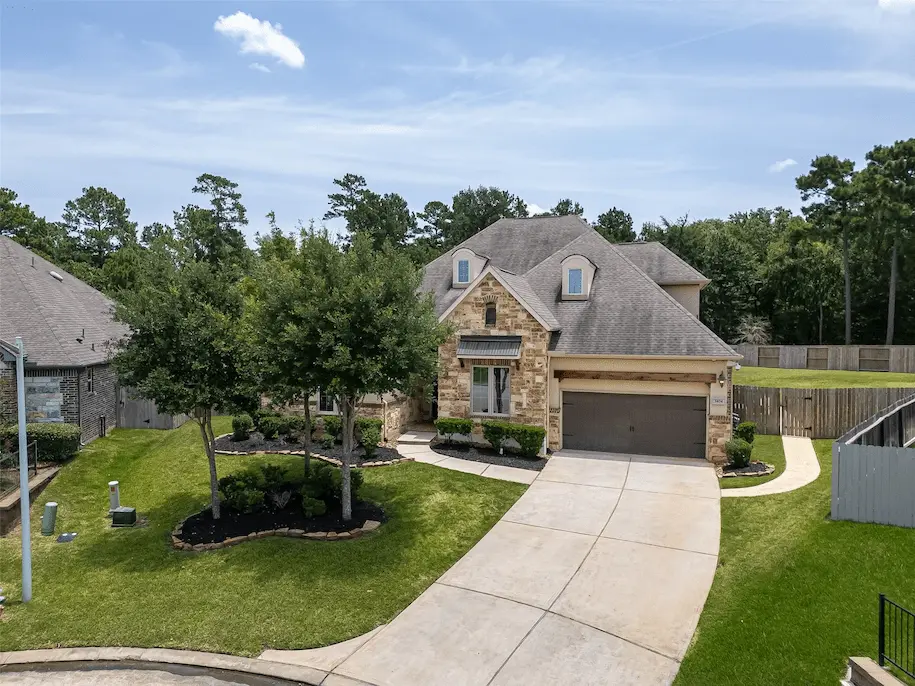
Luxury home exterior with brick and stone accents, large windows, and a well-maintained yard.

How to Evaluate Schools and Education Quality in Texas Neighborhoods

If you are buying a home in Texas, one of the most important decisions you will make has nothing to do with square footage or countertops; it is the education your children will have access to. The Lone Star State offers no state income tax, a thriving job market, affordable communities, and sunshine almost year-round, making it one of the most popular destinations for relocating families. But, since the neighborhood you choose determines the schools your children attend, your choice will shape where your children learn, grow, and build their future.

According to the National Association of Realtors, 25% of homebuyers cite school quality as a deciding factor and many are willing to sacrifice certain home features just to land in the right district. Our team has helped hundreds of families evaluate education quality across Texas neighborhoods. This guide gives you an overview of which factors to consider in the interest of protecting both your family and your investment.

Why Education Quality Varies So Much Across Texas Neighborhoods

Texas has over 1,000 independent school districts (ISDs), and quality can vary dramatically from one neighborhood to the next. Sometimes a single street separates two completely different districts. This affects your family on two levels:

  • Your child’s education: The right district shapes academic foundations, opens doors to advanced programs, and supports personal development from elementary through graduation.
  • Your home’s value: Homes in top-rated Texas ISDs appreciate faster and are more likely to hold value. Even modest improvements in school performance can positively impact nearby home values. Choosing the right district is both a parenting and a financial decision.

That’s why many families choose to work with professionals who specialize in buying homes in top Texas school districts to make confident, well-informed decisions.

Define Your Family’s Education Priorities First

Before searching homes or booking showings, spend some time thinking about what you’d like to see prioritized in your child’s education. Consider:

  • AP, honors, or gifted and talented (G/T) program availability
  • Athletics, fine arts, music, or STEM offerings
  • Special education services or IEP support
  • Teaching philosophy: traditional vs. project-based learning

This personal checklist becomes your filter as you evaluate every district during your Texas home search.

How to Research School Quality in Texas Neighborhoods Online

Use these reliable sources:

  • Texas Education Agency (TEA): Annual A–F accountability ratings, STAAR scores, graduation rates, and college readiness data. This is your most authoritative source.
  • GreatSchools.org and Niche.com: Easy-to-read ratings and parent reviews are good starting points, but always cross-reference with TEA data.
  • NCES: Detailed student-teacher ratios, teacher credentials, and funding comparisons.
  • ISD Websites: Program details and calendars. This is a great bonus resource but shouldn’t be the only material you review.

One underrated signal: low teacher turnover. Districts where educators stay long-term foster stronger student-teacher relationships and better outcomes.

Look Beyond Test Scores

Test scores are important, but they only tell part of the story. When buying a home in Texas, also investigate:

  • Extracurricular breadth: Arts, theater, robotics, debate, and community service programs give children opportunities to develop interests and passions.
  • Special education quality: Well-developed IEP processes, inclusion practices, and staff credentials point to a district that cares about every student’s success.
  • Advanced academic pathways: Offerings such as dual enrollment, International Baccalaureate (IB) programs, and Career and Technical Education (CTE) tracks open doors to diverse academic journeys.
  • Community involvement: An active PTA and engaged parent community are among the most reliable indicators of a healthy school culture.

Visit Schools in Person

There is no substitute for a firsthand look. Before finalizing any purchase, schedule visits to the schools your children would attend. Look for a clean and well-maintained facility, student work proudly displayed, positive staff interactions, and inclusive treatment of students with special needs.

Talk to Parents, Neighbors, and Your Realtor

Some of the most valuable insight comes from people already in the community. Join neighborhood Facebook groups or Nextdoor to hear from current families, knock on doors in subdivisions you are considering, and lean heavily on your realtor. An experienced local agent knows which ISDs are on the rise, where boundary changes are coming, and exactly which district a specific address falls into.

Evaluate the Full Feeder Pattern

A common mistake we see parents make is that they only check into the school their child would be attending once they move. They may ask all the right questions and learn a lot about their middle school, but forget to look beyond that. If you plan to stay ten or more years, it is always best practice to review the entire K-12 school district, including graduation rates, college acceptance data, and advanced program availability at every level.

Consider Daily Logistics

Practical details shape daily life: Can kids walk or bike safely? Is there a nearby bus stop? Does the school schedule fit your commute? Are after-school programs available? These are great factors to keep in mind as you imagine what life could look like in any home you’re considering.

Ready to Find a Texas Neighborhood With the Right Schools?

Evaluating education quality is one of the most important steps in any Texas home search. We specialize in helping families find homes that check every box; the right neighborhood, the right price, and the right school district whether you are searching in Dallas-Fort Worth, Greater Houston, Austin, San Antonio, or beyond. Contact our team today to start your search with confidence.

Disclaimer

This article is intended for informational purposes only and should not be considered legal, financial, or educational advice. While efforts have been made to ensure accuracy, school ratings, district boundaries, and performance data may change and should be independently verified. Readers are encouraged to consult with qualified professionals and local school authorities before making any homebuying or education-related decisions.
How to Choose the Right Neighborhood for Your Family in Texas

Finding a home in Texas means finding the right neighborhood, not just the right house. Texas is enormous, with wildly different communities, tax rates, school districts, and growth patterns from county to county. This quick guide gives an overview on how buyers can narrow down their choice.

Understand What You Actually Need

Before researching areas, define your priorities. Are you prioritizing school quality, commute time, or lifestyle fit? Write down your non-negotiables: HOA vs. no HOA, urban vs. suburban, how long you plan to stay, and whether school ratings matter to you even without kids. Your answers will quickly narrow thousands of Texas communities to a short list.

Research Safety the Right Way

o not rely on vague marketing language. Focus on filtering by crime type and prioritize violent crime trends rather than minor incidents. Also check real-time, resident-reported activity that raw statistics might miss.

Dig Into Schools Even Without Kids

School district boundaries directly affect resale value. Check ratings, but also call the district directly, rezoning is common in fast-growing areas like Frisco, Katy, and the Austin suburbs. If you want a deeper breakdown of what actually defines strong districts, read our guide on how to evaluate schools and education quality in Texas neighborhoods to make more informed comparisons beyond basic ratings

Understand Texas Property Taxes

Texas has no state income tax, but property taxes are among the highest in the country and vary significantly by county. Two homes at the same price can carry tax bills that differ by thousands annually. Always verify the exact rate using the Texas Comptroller’s property tax database before making any purchase decision.

Check Commute at the Right Time

Texas traffic is serious. Use Google Maps’ “Set Departure Time” feature to simulate your commute during peak hours (7:30–8:30 AM and 5:00–6:30 PM). According to the Texas Department of Transportation, 92 of the state’s most congested road segments run through Dallas, Houston, Austin, Fort Worth, and San Antonio metros.

Research Future Development

Texas grows fast and development can transform a neighborhood quickly for better or worse. Visit the municipal planning department’s department for zoning maps and future land use plans. Your agent can also pull recent permit activity to flag what’s coming.

Visit at Different Times

One visit is not enough. A neighborhood on a quiet Wednesday afternoon tells a different story than the same street on a Saturday evening or during school pickup. Talk to current residents and ask what they wish they had known before moving in.

Work With a Local Texas Expert

At The Adam Olsen Team, our buyer’s agents specialize in The Woodlands, Conroe, Magnolia, Montgomery, Willis, and surrounding communities. We know which areas are appreciating, which carry flood risk, and which school districts face rezoning pressure so you buy the right neighborhood, not just the right house.

Ready to Find Your Perfect Texas Neighborhood?

Whether you are relocating, buying your first home, or moving up, contact The Adam Olsen Team to get expert guidance from neighborhood research all the way to closing day.

Frequently Asked Questions

What is the property tax rate in Texas?

Rates vary by county and school district, typically ranging from 1.8% to 2.5%. Verify your specific rate using the Texas Comptroller’s property tax database.

How do I check crime rates in a Texas neighborhood?

Use SpotCrime.com, CityProtect, and Nextdoor. Focus on violent crime trends rather than minor incidents when comparing areas.

What should I know about Texas schools before buying?

School boundaries affect resale value even without kids. Check GreatSchools.org and call the district about upcoming rezoning, which is common in fast-growing suburbs.

Do I need a buyer’s agent in Texas?

Not legally, but local expertise matters especially with Texas’s varying property taxes, flood zones, and HOA rules. Contact us to learn how we help buyers navigate the process.

What’s the best time of year to buy in Texas?

Spring (March–May) has the most inventory but also the most competition. Summer is busy for families moving before school starts. Fall and winter typically offer less competition and motivated sellers, though inventory is smaller. If schools are a priority, aim to close before the school year starts.

How long does it typically take to buy a home in Texas?

From offer to closing typically takes 30–45 days in Texas. Allow 2–4 weeks before that for neighborhood research and home touring. Add extra time if you’re relocating from out of state or need to coordinate selling your current home.

What makes The Woodlands area different from other Houston suburbs?

The Woodlands offers master-planned community amenities, A-rated schools, extensive trails and parks, and a town center with shopping and dining. It’s also an incorporated community with its own governance structure. Property values have historically appreciated well, but property taxes and HOA fees are factors to consider in your budget.

What are the best areas to live in Texas for families?

Top family friendly areas include The Woodlands, Katy, Frisco, Allen, Round Rock, and Sugar Land. These communities offer highly rated schools, low crime rates, parks and recreation, and strong resale value. In the Houston metro, The Woodlands, Conroe, and Magnolia combine excellent schools with master-planned amenities and reasonable commutes. The best area depends on your budget, commute needs, and lifestyle preferences. Contact our team for personalized recommendations based on your specific priorities.

What are some safe neighborhoods in Houston, Texas?

The Woodlands, Kingwood, Sugar Land, Cinco Ranch, and West University Place consistently rank among Houston’s safest areas. In Montgomery County, Conroe, Magnolia, Montgomery, and Willis offer lower crime rates than inner-city Houston while maintaining proximity to job centers. Always verify current crime statistics using SpotCrime.com and CityProtect, and focus on violent crime trends rather than total incident counts. Our team knows these neighborhoods intimately and can help you evaluate safety alongside schools, commute, and value.

What are some tips for finding a good neighborhood in Texas?

Start by defining your non-negotiables: school quality, commute time, HOA preferences, and budget including property taxes. Research crime data from multiple sources, verify school district boundaries and rezoning plans, and simulate your commute during peak hours. Visit neighborhoods at different times of day and talk to current residents. Check future development plans through the city’s planning department, and verify exact property tax rates since they vary significantly across Texas. Working with a local expert who knows neighborhood-specific details like flood risk, appreciation trends, and HOA enforcement makes the process much easier.

Disclaimer

This article is provided for informational purposes only and does not constitute legal, financial, or real estate advice. While every effort has been made to ensure accuracy, details such as property taxes, crime data, and school information may change over time and should be independently verified. Readers are encouraged to consult with a licensed real estate professional before making any property-related decisions.

The Ultimate Guide to Buying a Home in Texas

Texas real estate operates under its own framework. The state has no income tax, yet
property taxes are among the highest nationally.
Closings are handled by title companies rather than attorneys. Contracts include a distinct Option Period.
And beginning in 2026,
Senate Bill 1968
fundamentally altered buyer representation requirements.

Texas Housing Market 2026

The market has shifted decisively in buyers’ favor following a 2025 price correction,
higher inventory, longer timelines, and improved negotiating power.

Market Metric End of 2025 Early 2026
Median Home Price $345,000 $330,000 (-2.5% YoY)
Inventory Supply 4.5 months 5.5 months (buyer-favored)
Days on Market 45 avg 70 avg
Projected Price Growth ~1.5% (toward $350K)

Texas Home Prices by City

Metro / Region Median Price YoY Trend Market Character
Austin (Travis Co.) $415,000 Slowest recovery High inventory, tech cooling
Dallas-Fort Worth $386,700 Continued softening Corporate relocations driving demand
Houston (Harris Co.) $325,000 Relatively resilient Energy sector stable
San Antonio $310,000 -1.9% YoY Military, affordability-driven
Hood County (Granbury) $335,000 Stable Rural, lake lifestyle

Property taxes run 1.6% 2.5% annually on a $330K home; that’s $440 $688/month on top of your mortgage.
Growth suburbs like Frisco and McKinney also add MUD/PID taxes of 0.5% 1.0%.
Always request the full tax rate picture before committing.

SB 1968: New Buyer Agent Rules

  • Buyers must sign a written representation agreement before an agent can show homes or submit offers.
  • Dual agency is eliminated; agents must represent either buyer or seller, not both.
  • All compensation must be disclosed in writing; commissions must be confirmed as negotiable.
Red flag: Any agent showing homes without a signed buyer representation agreement is violating SB 1968,
which is not just a procedural misstep, but a legal violation.

How to Prepare Financially

Credit Score and Mortgage Pre-Approval

Credit benchmarks: 740+ (best rates), 670 739 (competitive), 620 669 (conventional possible),
580 619 (FHA only), below 580 (improve first). DTI must be below 43 45% for conventional loans.
Pursue a fully underwritten pre-approval all docs verified upfront to boost offer acceptance by 50%+.

Monthly Cost ($300K Home, 6.5% Rate) Amount
Principal & Interest $1,500
Property Taxes (1.68%) $420
Homeowners Insurance $300
PMI (if under 20% down) $100
HOA Fees (if applicable) $50
Total PITI $2,370/month
After pre-approval: do not open new credit, make large financed purchases, switch jobs, or take on new debt.
Underwriting continues until closing.

Down Payment Help in Texas

Minimum down payments: Conventional 3% | FHA 3.5% | VA & USDA 0%.
Under 20% down typically requires PMI (~$100/month). Key Texas programs:

  • My First Texas Home / My Choice Texas Home: up to 5% assistance (income cap ~$143K in Austin)
  • Homes for Texas Heroes: up to 5% for teachers, vets, firefighters, EMS, police
  • Home Sweet Texas (TSAHC): 3 5% for low-to-moderate income buyers
  • Local programs: Dallas up to $60K | Austin up to 6% of loan | Fort Worth $25K | Laredo $30K

How to Choose a Buyer’s Agent

Under SB 1968, you’ll sign a representation agreement before an agent can show properties.
If you’re planning to buy a home in Texas,
look for 5+ years of experience, 20+ closings/year in your area, and strong knowledge of flood zones,
school districts, and HOA health. A great agent runs comps, negotiates terms,
manages the option period, and keeps the deal on track.

How to Find the Right Home

Condos suit buyers wanting low-maintenance urban living; expect HOA fees and renovation limits.
Townhouses offer more space with less upkeep than single-family homes.
Single-family homes maximize space and privacy.
Texas delivers far more square footage per dollar than coastal markets, with full maintenance responsibility.
Before narrowing down properties, it’s critical to evaluate location carefully here’s a complete guide on how to choose the right neighborhood in Texas for your family.

Key research factors:

  • Check FEMA flood maps (critical in Houston metro)
  • Get the full tax rate including MUD/PID in DFW suburbs
  • Review HOA financials for planned assessments
  • Factor in HVAC wear from extreme heat, mold risk from Gulf Coast humidity, and ice storm exposure in DFW and Hill Country

How to Make a Strong Offer

The TREC contract states you’re buying ‘as-is’ but this does NOT forfeit your right to inspect and negotiate repairs.
A typical 2026 offer: purchase price 3 7% below list, closing in 30 45 days, earnest money 1 3%,
option period and fee, standard contingencies, and any seller credits.
Strengthen your offer with a larger earnest deposit, quick closing, or seller leaseback
but never waive the inspection contingency.

Never waive the inspection contingency. In a buyer’s market, it’s almost never necessary
and protects you from tens of thousands in undiscovered costs.

Texas Option Period Explained

The Option Period (typically 5 15 days) lets you cancel the contract for any reason,
losing only the non-refundable option fee ($100 $500). Your earnest money (1 3% of purchase price) is fully returned.
After the option period ends, earnest money becomes ‘hard’; you forfeit it without a valid contingency reason.
Use this window to complete all inspections and make your final decision.

Never waive or shorten your option period. It’s your low-cost exit door during due diligence.

Home Inspections in Texas

Texas has unique defect risks driven by climate and soil. Always budget $1,000 $2,000 for a full inspection suite:

Inspection Type Avg Cost Why It Matters
General Home $375–$475 Overall structure and systems
Foundation $300–$500 Clay soil shifting Texas-endemic
4-Point (Roof/HVAC/Plumbing/Electrical) $85–$150 Required for insurance on older homes
Termite / WDI $100 High humidity drives infestation risk
Roof $150 Hail, wind, UV damage
Sewer Scope $200 Ground movement damages older pipes

In negotiations, focus only on structural, mechanical, plumbing, electrical, and roof issues,
not cosmetic items. Seller credits at closing are often preferable to repairs,
giving you control over the work quality.

Texas Homeowners Insurance

Texas homeowners insurance averages ~$4,142/year (vs. $2,601 nationally) due to hurricanes, hail, and ice storms.
Ensure coverage for standard perils, windstorm/hail, flood insurance
(is not included in standard policies and is required in FEMA-designated flood zones), and liability.
Many Texas insurers require a 4-point inspection before covering older homes;
a failing system can make a property costly or impossible to insure.

Money-Saving Strategies for Buyers

How a 2-1 Rate Buydown Works

A seller-funded tool reduces your rate for two years: Year 1 at 4.5%, Year 2 at 5.5%, Year 3+ at market (e.g., 6.5%).
Requests via seller concessions offer a near asking price but ask for credits to fund the buydown and closing costs.
Assumes refinancing within 18 24 months if rates decline and refinancing becomes advantageous.

Texas Homestead Exemption Guide

Apply for the Texas Homestead Exemption between January 1 April 30 after closing.
It reduces your taxable value, caps annual appraisal increases at 10%,
and provides a $140,000 school district exemption.
Each year, review your assessed value if overvalued,
file an Appraisal Review Board (ARB) protest to potentially save hundreds or thousands annually.

Title Search and Closing Costs

After contract acceptance, a title search flags any liens, easements, or deed restrictions order it early,
it can take 2+ weeks. Texas closings occur at title companies (not law offices).
Review your Closing Disclosure line-by-line at least 3 days before closing
and do a final walkthrough 24 48 hours prior to confirm repairs and included items.

Closing Cost Component Estimated Amount ($300K Home)
Loan Origination / Appraisal $500–$1,000
Title Insurance / Search $1,500–$2,000
Escrow / Recording Fees $300–$500
Prepaid Taxes / Insurance $2,000–$3,000
Total Average $6,000–$9,000 (2–3%)

What to Do After Closing

Immediately: rekey locks, transfer utilities, apply for Homestead Exemption (Jan 1 Apr 30),
update your driver’s license, and secure flood insurance if required.
Ongoing: budget ~1% of home value/year for maintenance,
respond to homestead verification notices every 5 years,
and review your assessed value annually for protest opportunities.

Home Buying Red Flags to Avoid

  • Agent shows homes without a signed buyer representation agreement (SB 1968 violation)
  • No written disclosure that commissions are negotiable
  • Unlicensed solar installers or missing interconnection documentation (SB 1036 violation)
  • Contract missing cancellation clause or Option Period protections
  • Poor exterior maintenance often signals deferred interior issues
  • Sellers who flatly reject all repair requests after a significant inspection report
  • Claims of multiple homestead exemptions legally prohibited, potential fraud

Conclusion

For the prepared buyer, 2026 offers one of the best Texas entry points in recent years:
higher inventory, stabilized prices, and strong assistance programs.
Success comes down to three things: solid financial preparation, experienced local professionals,
and thorough due diligence. Bring all three and Texas has an extraordinary home waiting for you.

Copyright © 2026. Adam Olsen. All Rights Reserved. As required by The Texas Real Estate Commission

×