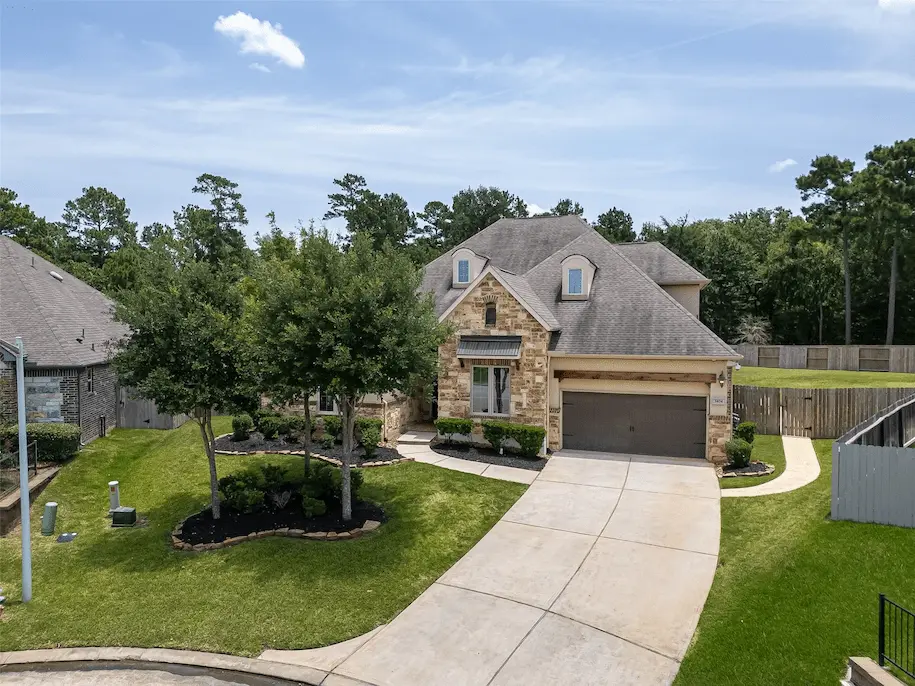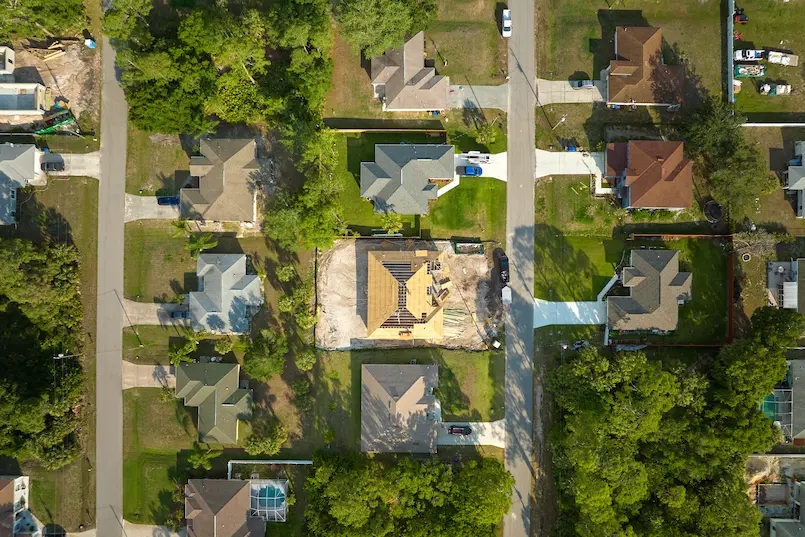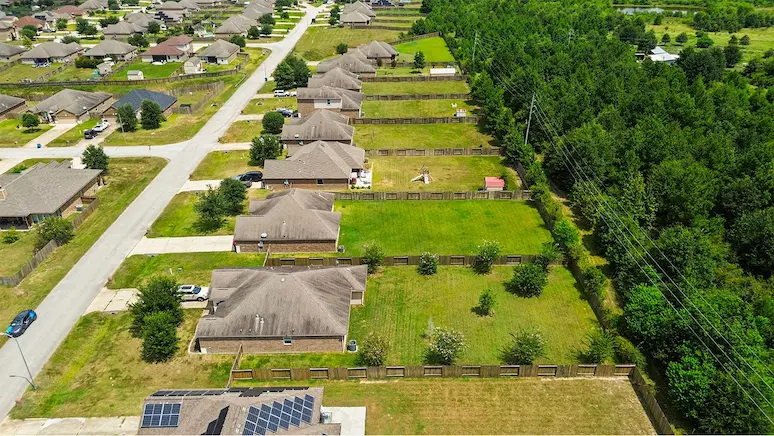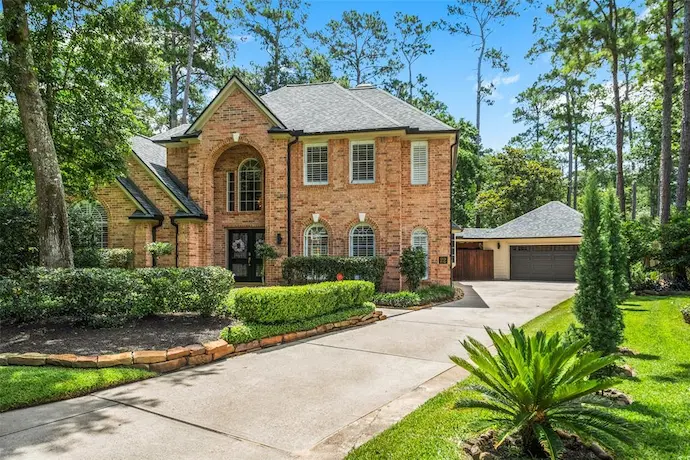
Luxury home exterior with brick and stone accents, large windows, and a well-maintained yard.

Buying a Home in 2026: AOT’s Insights on the Texas Real Estate Market Right Now?

If buying or selling in Texas has been on your mind, you’re probably asking the same thing everyone else is: is now the right time to make a move? The first quarter of 2026 gives us a real, unfiltered look at the market. We’re breaking it all down across all residential properties, houses, and condos with straightforward insights you can actually use.

Statewide Context: According to AOT’s first quarter of 2026 data, residential properties are averaging $273,812 across all types, with houses commanding $359,354 and condos renting at $1,633/month . These figures reflect a market that is normalizing after years of volatility, not crashing, giving buyers more breathing room than they’ve had since before the pandemic.

All Residential (138 Sold · $273,812 Avg)

Data reflects AOT’s internal market analysis and is intended for insight purposes only, not as a definitive representation of the overall market.

Avg Price $273,812
Sold 138
Avg Days on Market 60 days
Avg % of List Price 96.3%
New Listings 338

What is the average selling price for Texas residential properties?

AOT’s Q1 2026 analysis shows the average selling price for residential properties, including houses and condos, at $273,812. This blended figure reflects the full range of the market and comes in slightly below the statewide median of $328,000.

How many homes were sold, and how does that compare to available supply?

In total, 138 residential properties sold while 338 new listings came to market. With supply running at more than twice the pace of sales, buyers have the advantage right now. There is more to choose from and far less urgency than we saw in 2021–2022.

How long does it take for a residential property to sell on average?

On average, residential properties marketed by AOT are spending 60 days on the market before closing, roughly two months. This marks a significant shift from the pace of 2021, when many homes were going under contract in under a week. Today’s market gives buyers the time to research, tour multiple properties, and make more informed decisions without pressure.

Are sellers receiving their full asking price?

According to AOT’s Q1 2026 analysis, sellers are receiving 96.3% of their list price on average. So if a home is listed at $284,000, it is typically selling for around $273,800. Buyers have a real, but modest, negotiation window of roughly 3.7% below asking before sellers tend to hold firm. Pricing a home correctly from day one remains critical in this environment.

Is the Texas residential market currently a buyer’s or seller’s market?

Based on the combined data, 60 days on market, 96.3% of asking price, and 338 active listings against just 138 sales, the overall market leans toward balanced-to-buyer-friendly conditions. Buyers have more choices, more time, and more negotiating power than at any point since before the pandemic. Sellers can still expect solid returns, but only if priced correctly from the start.

Houses (105 Sold · $359,354 Avg)

Avg Price $359,354
Sold 105
Avg Days on Market 59 days
Avg % of List Price 95.34%
New Listings 131
Inventory 131

What is the average selling price for houses in Texas right now?

Houses are selling at an average of $359,354, significantly above the blended residential average of $273,812. This higher figure reflects the larger size, land ownership, and long-term appreciation that single-family homes command over other property types. It aligns closely with the statewide AOT Q1 2026 median of $328,000.

How many houses were sold, and how does that compare to supply?

According to AOT’s Q1 2026 market report, 105 houses were sold between January and March 2026, while 131 new listings entered the market in the same period. Supply is slightly ahead of demand, good news for buyers shopping for a house, as there are more homes available than are being purchased at any given time. This keeps the house market balanced without tipping into a frenzied seller’s market.

How quickly are houses selling in Texas?

AOT’s Quarterly Data of 2026 shows that houses are moving slightly faster than the overall market, averaging 59 days on market, one day less than the overall 60-day average. While not a dramatic difference, it confirms that houses remain the most consistently in-demand property type in Texas. Steady buyer interest keeps them moving at a reliable pace even in a cooling market.

Can buyers negotiate on house prices? How much can they save?

Based on AOT’s Q1 2026 housing data, houses currently offer the best negotiating opportunity for buyers. Selling at 95.34% of asking price, a $359,354 home is typically closing about $16,700 below list. That gap is wider than any other property type, positioning houses as the most negotiable segment of the Texas market in 2026.

Is buying a house in Texas in 2026 a smart financial decision?

For most buyers, yes. As reflected in the latest AOT quarterly market trends, prices slightly softened from recent highs, inventory above sales levels, and close to 5% negotiating room off asking, 2026 is one of the more favorable house-buying environments Texas has seen since before the pandemic. Factor in Texas’s strong job market, sustained population growth, and lack of state income tax, and the long-term fundamentals for house ownership remain exceptionally solid.

Condos (33 Leased· $1,633/mo Avg Rent )

Avg Rent $1,633/mo
Leased 33
Avg Days on Market 64 days
Avg % of List Rent 99.35%
New Listings 20
Inventory 20

Why are condos priced at $1,633 per month instead of a total sale price?

The $1,633/month figure refers to the average monthly rental rate for condo leases included in AOT’s Q1 2026 dataset. These are rental or lease-based transactions, not outright purchases. This is common across Texas urban markets where condo owners list their units for rent. If you’re looking to buy a condo outright, you’ll want to work with your agent to filter specifically for for-sale condo listings in your target neighborhood or city.

How many condos were leased, and what does that tell us about demand?

According to the AOT quarterly figures, 33 condo leases were completed between January and March, 2026, while only 20 new condo listings entered the market in the same period. This is a notable imbalance, more condos are being leased than are being freshly listed. This means condo supply is actively tightening, and competition among condo seekers is stronger than it may appear on the surface.

Are condos taking longer to rent or sell compared to houses?

Condos average 64 days on market, 5 days longer than houses at 59 days, and slightly above the overall market average of 60 days. This modest difference reflects that condos attract a more specific type of renter, and finding the right match takes a little more time. The gap is not alarming, it simply reflects a different renter profile rather than weak demand.

Is there room to negotiate on condo prices or rent?

Almost none. Condos are leasing at 99.35% of asking rent, essentially full price. This is the highest list-price ratio of any property type in the current AOT dataset, meaning condo landlords are getting nearly everything they ask for. If you’re targeting a condo, come prepared with a strong, near-asking offer.

Is condo inventory critically low in Texas right now?

Current AOT inventory trends point to yes. With only 20 condo listings currently active against 33 leases completed in the same period, meaning existing inventory is being absorbed faster than it is being replenished. For anyone looking for a condo in Texas to rent, acting decisively when a suitable unit becomes available is essential.

Key Takeaways for 2026

Texas isn’t in a housing crash. Recent AOT quarterly data points toward a more balanced, normalized market after years of volatility. Prices are easing, inventory is up, and buyers are stepping back into a position of strength.

But knowing the data is only part of it. Acting on it is where it matters. House buyers have room to negotiate, condo renters need to move with urgency, and sellers need to price strategically from the start to avoid sitting on the market.

That’s where we come in. We help you take what’s happening in the market and turn it into a smart, well-timed move that works in your favor.


What Is Your Home Really Worth?

Author: AOT

Knowing what your home is worth is not just useful when you are ready to sell. It can also help you make smarter decisions about refinancing, insurance, property taxes, renovation budgets, and long-term financial planning. For many homeowners, the real question is simple: how do you get a realistic estimate of your home’s value?

The most important point is that a home’s value is not determined by what the owner hopes to receive, what was paid years ago, or what a neighbor says their house is worth. Market value is the price a home would likely sell for under normal conditions, when neither buyer nor seller is under unusual pressure. In other words, your home is worth what qualified buyers in the current market are willing to pay.

Valuation Factor Why It Matters
Recent comparable sales Similar nearby homes provide the clearest evidence of current buyer behavior.
Location Neighborhood demand, schools, commute access, and local amenities affect price.
Size and layout Square footage, bedrooms, bathrooms, and usable space shape buyer expectations.
Condition and updates Well-maintained homes and thoughtful improvements can support stronger offers.
Supply and demand A limited number of homes for sale can increase competition, while excess inventory can soften prices.

A practical starting point is the sales comparison approach, which is widely used by appraisers and real estate professionals. This means looking at recent sales of homes that are similar in location, lot size, square footage, style, age, and condition. Because no two homes are exactly alike, the numbers usually need to be adjusted. For example, a recently sold home with a renovated kitchen, larger yard, or extra bedroom may not be a perfect match for a home without those features.

Online estimators can be helpful for a quick ballpark figure, but they should not be treated as the final answer. Automated tools may miss details that matter in real life, such as a remodeled interior, deferred maintenance, curb appeal, unusual floor plan, or changing neighborhood demand. That is why a more accurate estimate often comes from combining public data, recent comparable sales, and professional local insight.

The takeaway is simple: your home’s value is a market-based estimate, not a fixed number. If you want a clearer picture, begin with comparable sales, account for your home’s unique features, and consider asking a knowledgeable real estate professional for a comparative market analysis. A realistic valuation can help you price confidently, negotiate wisely, and make better decisions about one of your most important assets.

Why Should You Use a Realtor?

3 min read | By AOT


Whether you’re purchasing your first home, listing a property for sale, or signing a lease, you might be tempted to go it alone. After all, property listings are just a search away, and real estate contracts look straightforward enough — right?

Not quite. The process of buying, selling, or leasing a property is one of the largest financial transactions most people will ever make. A single misstep can cost thousands of dollars, delay a closing, or expose you to legal risk. That’s exactly why working with a licensed REALTOR® — not just any real estate agent, but a member of the National Association of REALTORS — makes all the difference.


A REALTOR Is More Than Just an Agent

It’s a common misconception that all real estate agents are REALTORS. They’re not. A REALTOR is a licensed agent who has voluntarily joined the National Association of REALTORS (NAR) and agreed to be held to a strict Code of Ethics — a standard first established in 1913 and continuously updated to this day.

That Code of Ethics consists of 17 articles governing everything from how a REALTOR handles your confidential information to how offers are submitted and counter-offers are communicated. Most critically, it establishes a fiduciary duty to you, the client — meaning your REALTOR is legally and ethically obligated to put your interests above their own at every step of the transaction.


What Fiduciary Duty Actually Means for You

The NAR describes fiduciary duties as “the highest duties known to the law.” In practical terms, your REALTOR is bound by six core responsibilities:

  • Loyalty — Your agent is in your corner, period. They advocate for your best interests, whether that means pushing for a lower price, flagging red flags in a contract, or walking away from a bad deal.
  • Confidentiality — Personal information you share — your budget ceiling, your motivation to sell quickly, your timeline — stays protected and is never disclosed to the other party.
  • Disclosure — Your REALTOR is required to share any material facts about a property that could affect your decision, from structural issues to zoning complications.
  • Obedience — They follow your lawful instructions throughout the process.
  • Accounting — All funds and documents entrusted to your agent are handled responsibly and transparently.
  • Reasonable Care and Diligence — They apply their professional expertise to serve you as effectively as possible.

Without a REALTOR® representing you, no one is bound by these obligations on your behalf.


The Value Is Real, Whether You’re Buying, Selling, or Leasing

For buyers, a REALTOR gives you full access to MLS-listed properties, helps you identify fair market value, negotiates on your behalf, and guides you through inspections, disclosures, and closing — a process filled with deadlines and paperwork where mistakes are costly.

For sellers, a REALTOR brings market knowledge, a professional marketing strategy, and the expertise to price your home right from the start. Overpricing leads to a stale listing; underpricing leaves money on the table. Your agent navigates that balance while fielding offers and keeping the transaction on track.

For renters and landlords, leasing a property comes with its own set of legal considerations — lease terms, disclosures, habitability standards, and local regulations. A REALTOR ensures both parties are protected and informed before anyone signs.


Ethics Have Consequences

One of the most important reasons to use a REALTOR is accountability. If a REALTOR violates the Code of Ethics, they can face disciplinary action through their local REALTOR Board, up to and including loss of membership. That accountability structure incentivizes honesty and professionalism in ways that simply don’t exist when you work with an unlicensed individual or try to navigate the process alone.

The Code also prohibits misrepresentation, requires prompt and objective submission of all offers, and demands disclosure of any conflicts of interest — all protections that work directly in your favor.


The Bottom Line

Real estate transactions are complicated, high-stakes, and full of legal nuance. A REALTOR brings expertise, ethics, and advocacy to the table — all in service of protecting you and your investment. In a world where you can Google almost anything, the guidance of a trusted professional who is legally bound to act in your best interest is still one of the smartest decisions you can make.

When it’s time to buy, sell, or lease — work with a REALTOR.


To be connected with a qualified Realtor in your area reach out to us at: adamolsenteam.com.

7 Tips for Buying Your First Home in the U.S.

Home Buying  ·  2 min read

Buying a home in America can feel like navigating a maze — especially if you’re new to the process.
Whether you’re a first-time buyer or relocating to the U.S., here’s what you need to know to close with confidence.

1

Learn how the U.S. home-buying process works

The American real estate market has its own rhythm — from inspection periods to closing costs. Understanding the full process upfront reduces stress and helps you negotiate better deals.

2

Get a mortgage — don’t wait until you’ve saved the full price

The U.S. offers a wide range of safe, affordable mortgage options — including programs for buyers putting down as little as 3%. To qualify, you’ll need to build U.S. credit, open bank accounts, and report income on your tax returns.

3

Work with a REALTOR® who specializes in your situation

Look for a Certified International Property Specialist (CIPS) if you’re foreign-born, or a local expert who knows your target neighborhood’s micro-market — they’re your best asset for finding the right home at the right price.

4

Expect a casual, informal process

Real estate in America is more relaxed than in many other countries. While contracts must always be in writing, the conversations leading up to signing can feel surprisingly informal — that’s just the culture. Don’t mistake casual for unserious.

5

Convert measurements — homes here are listed in square feet

The U.S. uses the imperial system, so room sizes are in square feet and lot sizes in acres. Download a metric converter app before you start touring homes so you can accurately picture the spaces you’re considering.

6

Communicate in your preferred language if possible

If English isn’t your first language, seek out inspectors, mortgage bankers, and agents fluent in your language. You’ll likely need to sign documents in English, but understanding every detail in your native language can prevent costly misunderstandings.

7

Be patient — the right home is worth the wait

New listings hit the market every day. Don’t settle for something just because it fits your budget. Take notes during every tour, photograph everything, and trust your instincts. The home that checks every box for your future is out there.

Ready to find your first home? AOT is here to guide you every step of the way.

Get in Touch


Home Maintenance

Don’t Wait for the Heat Wave:
Why Now Is the Time for Your HVAC Tune-Up

Summer in our area doesn’t arrive gently — it arrives all at once. One week you’re opening windows, the next you’re reaching for the thermostat. The problem? So is everyone else, and HVAC technicians’ schedules fill up fast.

As your real estate advisors, we spend a lot of time thinking about what makes a home more valuable, more comfortable, and more attractive to buyers. This spring, one topic keeps coming up with both our seller and buyer clients alike: HVAC maintenance. Specifically, whether the system has been recently serviced.

If you haven’t scheduled your annual HVAC tune-up yet, here’s why right now — before summer heat arrives — is the smartest window to get it done.

Why Buyers Actually Care About This

We’ve noticed a meaningful shift in buyer priorities heading into 2025. Energy efficiency and home operating costs have moved from “nice to have” to near the top of buyer checklists. Mortgage rates have kept monthly budgets tight, and utility bills are a real conversation in showings and inspections.

Up to 15%
Energy savings from a properly maintained HVAC system
#1
System buyers most commonly flag during inspections
$150–$300
Typical tune-up cost vs. thousands in emergency repairs

A documented, recent HVAC service record signals to buyers that a home has been well cared for. It reduces negotiating leverage on inspection day and can genuinely speed up a transaction. In a market where buyers are scrutinizing every line item, this is low-hanging fruit for sellers.

What a Professional Tune-Up Actually Includes

A proper HVAC tune-up is more than a filter swap. A licensed HVAC technician will typically walk through a comprehensive system check that sets you up for reliable performance all summer long.

What’s Covered in a Standard Tune-Up

  • Inspect and clean condenser and evaporator coils
  • Check and top off refrigerant levels
  • Test thermostat calibration and controls
  • Lubricate all moving parts and motors
  • Inspect electrical connections and capacitors
  • Clear and flush condensate drain lines
  • Replace or inspect air filters
  • Check system airflow and duct condition

When these components are clean and calibrated, your system runs more efficiently — meaning it cools your home to the same temperature while drawing less electricity. Over a full Texas summer, that efficiency gap adds up to real dollars on your utility bill.

The Scheduling Reality

Here’s the thing no one talks about enough: HVAC companies are booked solid by mid-May. Once daytime highs climb past 85°F, every call that comes in is an emergency — and emergency pricing and wait times apply. Scheduling now, in the comfortable window of early spring, means you get to choose your technician, your time slot, and your rate. You’re not at the mercy of whoever happens to be available when your system starts struggling at 6 p.m. on a Friday.

A Note for Sellers Listing This Spring

If you’re planning to list your home in the next 30–90 days, a completed HVAC service record is one of the smartest documents you can have ready for a buyer’s agent. Pair it with a current filter, a clean unit, and a recent inspection report, and you’re presenting a home that’s move-in ready from day one.

Buyers who feel confident in the mechanical systems of a home make faster decisions. That’s good for everyone involved.

What to Do Right Now

Call a licensed HVAC company in your area and schedule your spring tune-up before their calendars fill. Ask for a written service summary you can keep on file — that document has real value when it’s time to sell. And if you’re not sure whether your system is due for service or potentially due for replacement, that’s worth knowing now rather than discovering during the inspection period of a sale.

If you’d like a referral to a trusted HVAC professional we’ve worked with — or if you want to talk through how your home’s mechanical systems affect its market value — we’re always happy to have that conversation.

Have Questions About Your Home’s Value?

Whether you’re thinking about selling, buying, or just want to know where your home stands in today’s market — we’re here to help.

Talk to AOT

© 2025 AOT
Real Estate Advisors  ·  Serving Our Community


Houston Rental Market Update

Houston Real Estate  ·  April 15, 2026

Houston’s rental market just broke its own record

Spring has arrived in Houston, and so has an unprecedented surge in rental activity. For the first time in recorded history, more than 4,700 rental homes were leased in a single month, signaling just how dramatically the landscape has shifted for prospective homebuyers who are pausing their purchase plans amid economic headwinds.

Homes leased
4,718
+15.8% year over year
New listings
6,172
+7.8% year over year
Avg lease price
$2,242
-2.1% year over year

According to the Houston Association of Realtors’ March 2026 Rental Market Update, 4,718 homes were leased last month, the highest single-month total ever recorded by HAR. Pending listings also hit a new peak at 4,824, suggesting demand is not letting up as we head deeper into spring. Meanwhile, new inventory grew nearly 8%, giving renters more breathing room than they had a year ago.

Prices, however, are telling a more nuanced story. The average monthly lease price slipped about 2% compared to last March, landing at $2,242. Homes are also sitting a bit longer before getting snapped up, averaging 47 days on market versus 43 days in 2025. More inventory and slightly softer prices are a welcome combination for renters who have felt squeezed in recent years.

“With economic uncertainty shaping consumer decisions, some are choosing to rent in the near term. That dynamic is driving strong demand and record leasing levels. At the same time, an increase in inventory is helping meet that demand and giving renters more options as the market moves into the spring season.”

Theresa Hill, HAR Chair, Compass RE Texas

The townhome and condo segment followed a similar trajectory. Just over 670 units were leased in March, a 12% jump from the same period last year. New listings in that category rose 10%, though average rents edged down about 1.5% to $1,898 per month. Units in this segment spent longer on market (61 days, up from 53 last year), which could indicate some softening in that more affordable tier despite the broader volume gains.


Taken together, the March numbers paint a picture of a market absorbing a lot of demand efficiently, aided by growing inventory and slightly more negotiable pricing. For renters, this spring might be one of the better moments in recent years to sign a lease in Houston.

How to Evaluate Schools and Education Quality in Texas Neighborhoods

If you are buying a home in Texas, one of the most important decisions you will make has nothing to do with square footage or countertops; it is the education your children will have access to. The Lone Star State offers no state income tax, a thriving job market, affordable communities, and sunshine almost year-round, making it one of the most popular destinations for relocating families. But, since the neighborhood you choose determines the schools your children attend, your choice will shape where your children learn, grow, and build their future.

According to the National Association of Realtors, 25% of homebuyers cite school quality as a deciding factor and many are willing to sacrifice certain home features just to land in the right district. Our team has helped hundreds of families evaluate education quality across Texas neighborhoods. This guide gives you an overview of which factors to consider in the interest of protecting both your family and your investment.

Why Education Quality Varies So Much Across Texas Neighborhoods

Texas has over 1,000 independent school districts (ISDs), and quality can vary dramatically from one neighborhood to the next. Sometimes a single street separates two completely different districts. This affects your family on two levels:

  • Your child’s education: The right district shapes academic foundations, opens doors to advanced programs, and supports personal development from elementary through graduation.
  • Your home’s value: Homes in top-rated Texas ISDs appreciate faster and are more likely to hold value. Even modest improvements in school performance can positively impact nearby home values. Choosing the right district is both a parenting and a financial decision.

That’s why many families choose to work with professionals who specialize in buying homes in top Texas school districts to make confident, well-informed decisions.

Define Your Family’s Education Priorities First

Before searching homes or booking showings, spend some time thinking about what you’d like to see prioritized in your child’s education. Consider:

  • AP, honors, or gifted and talented (G/T) program availability
  • Athletics, fine arts, music, or STEM offerings
  • Special education services or IEP support
  • Teaching philosophy: traditional vs. project-based learning

This personal checklist becomes your filter as you evaluate every district during your Texas home search.

How to Research School Quality in Texas Neighborhoods Online

Use these reliable sources:

  • Texas Education Agency (TEA): Annual A–F accountability ratings, STAAR scores, graduation rates, and college readiness data. This is your most authoritative source.
  • GreatSchools.org and Niche.com: Easy-to-read ratings and parent reviews are good starting points, but always cross-reference with TEA data.
  • NCES: Detailed student-teacher ratios, teacher credentials, and funding comparisons.
  • ISD Websites: Program details and calendars. This is a great bonus resource but shouldn’t be the only material you review.

One underrated signal: low teacher turnover. Districts where educators stay long-term foster stronger student-teacher relationships and better outcomes.

Look Beyond Test Scores

Test scores are important, but they only tell part of the story. When buying a home in Texas, also investigate:

  • Extracurricular breadth: Arts, theater, robotics, debate, and community service programs give children opportunities to develop interests and passions.
  • Special education quality: Well-developed IEP processes, inclusion practices, and staff credentials point to a district that cares about every student’s success.
  • Advanced academic pathways: Offerings such as dual enrollment, International Baccalaureate (IB) programs, and Career and Technical Education (CTE) tracks open doors to diverse academic journeys.
  • Community involvement: An active PTA and engaged parent community are among the most reliable indicators of a healthy school culture.

Visit Schools in Person

There is no substitute for a firsthand look. Before finalizing any purchase, schedule visits to the schools your children would attend. Look for a clean and well-maintained facility, student work proudly displayed, positive staff interactions, and inclusive treatment of students with special needs.

Talk to Parents, Neighbors, and Your Realtor

Some of the most valuable insight comes from people already in the community. Join neighborhood Facebook groups or Nextdoor to hear from current families, knock on doors in subdivisions you are considering, and lean heavily on your realtor. An experienced local agent knows which ISDs are on the rise, where boundary changes are coming, and exactly which district a specific address falls into.

Evaluate the Full Feeder Pattern

A common mistake we see parents make is that they only check into the school their child would be attending once they move. They may ask all the right questions and learn a lot about their middle school, but forget to look beyond that. If you plan to stay ten or more years, it is always best practice to review the entire K-12 school district, including graduation rates, college acceptance data, and advanced program availability at every level.

Consider Daily Logistics

Practical details shape daily life: Can kids walk or bike safely? Is there a nearby bus stop? Does the school schedule fit your commute? Are after-school programs available? These are great factors to keep in mind as you imagine what life could look like in any home you’re considering.

Ready to Find a Texas Neighborhood With the Right Schools?

Evaluating education quality is one of the most important steps in any Texas home search. We specialize in helping families find homes that check every box; the right neighborhood, the right price, and the right school district whether you are searching in Dallas-Fort Worth, Greater Houston, Austin, San Antonio, or beyond. Contact our team today to start your search with confidence.

Disclaimer

This article is intended for informational purposes only and should not be considered legal, financial, or educational advice. While efforts have been made to ensure accuracy, school ratings, district boundaries, and performance data may change and should be independently verified. Readers are encouraged to consult with qualified professionals and local school authorities before making any homebuying or education-related decisions.

How to Choose the Right Neighborhood for Your Family in Texas

Finding a home in Texas means finding the right neighborhood, not just the right house. Texas is enormous, with wildly different communities, tax rates, school districts, and growth patterns from county to county. This quick guide gives an overview on how buyers can narrow down their choice.

Understand What You Actually Need

Before researching areas, define your priorities. Are you prioritizing school quality, commute time, or lifestyle fit? Write down your non-negotiables: HOA vs. no HOA, urban vs. suburban, how long you plan to stay, and whether school ratings matter to you even without kids. Your answers will quickly narrow thousands of Texas communities to a short list.

Research Safety the Right Way

o not rely on vague marketing language. Focus on filtering by crime type and prioritize violent crime trends rather than minor incidents. Also check real-time, resident-reported activity that raw statistics might miss.

Dig Into Schools Even Without Kids

School district boundaries directly affect resale value. Check ratings, but also call the district directly, rezoning is common in fast-growing areas like Frisco, Katy, and the Austin suburbs. If you want a deeper breakdown of what actually defines strong districts, read our guide on how to evaluate schools and education quality in Texas neighborhoods to make more informed comparisons beyond basic ratings

Understand Texas Property Taxes

Texas has no state income tax, but property taxes are among the highest in the country and vary significantly by county. Two homes at the same price can carry tax bills that differ by thousands annually. Always verify the exact rate using the Texas Comptroller’s property tax database before making any purchase decision.

Check Commute at the Right Time

Texas traffic is serious. Use Google Maps’ “Set Departure Time” feature to simulate your commute during peak hours (7:30–8:30 AM and 5:00–6:30 PM). According to the Texas Department of Transportation, 92 of the state’s most congested road segments run through Dallas, Houston, Austin, Fort Worth, and San Antonio metros.

Research Future Development

Texas grows fast and development can transform a neighborhood quickly for better or worse. Visit the municipal planning department’s department for zoning maps and future land use plans. Your agent can also pull recent permit activity to flag what’s coming.

Visit at Different Times

One visit is not enough. A neighborhood on a quiet Wednesday afternoon tells a different story than the same street on a Saturday evening or during school pickup. Talk to current residents and ask what they wish they had known before moving in.

Work With a Local Texas Expert

At AOT, our buyer’s agents specialize in The Woodlands, Conroe, Magnolia, Montgomery, Willis, and surrounding communities. We know which areas are appreciating, which carry flood risk, and which school districts face rezoning pressure so you buy the right neighborhood, not just the right house.

Ready to Find Your Perfect Texas Neighborhood?

Whether you are relocating, buying your first home, or moving up, contact AOT to get expert guidance from neighborhood research all the way to closing day.

Frequently Asked Questions

What is the property tax rate in Texas?

Rates vary by county and school district, typically ranging from 1.8% to 2.5%. Verify your specific rate using the Texas Comptroller’s property tax database.

How do I check crime rates in a Texas neighborhood?

Use SpotCrime.com, CityProtect, and Nextdoor. Focus on violent crime trends rather than minor incidents when comparing areas.

What should I know about Texas schools before buying?

School boundaries affect resale value even without kids. Check GreatSchools.org and call the district about upcoming rezoning, which is common in fast-growing suburbs.

Do I need a buyer’s agent in Texas?

Not legally, but local expertise matters especially with Texas’s varying property taxes, flood zones, and HOA rules. Contact us to learn how we help buyers navigate the process.

What’s the best time of year to buy in Texas?

Spring (March–May) has the most inventory but also the most competition. Summer is busy for families moving before school starts. Fall and winter typically offer less competition and motivated sellers, though inventory is smaller. If schools are a priority, aim to close before the school year starts.

How long does it typically take to buy a home in Texas?

From offer to closing typically takes 30–45 days in Texas. Allow 2–4 weeks before that for neighborhood research and home touring. Add extra time if you’re relocating from out of state or need to coordinate selling your current home.

What makes The Woodlands area different from other Houston suburbs?

The Woodlands offers master-planned community amenities, A-rated schools, extensive trails and parks, and a town center with shopping and dining. It’s also an incorporated community with its own governance structure. Property values have historically appreciated well, but property taxes and HOA fees are factors to consider in your budget.

What are the best areas to live in Texas for families?

Top family friendly areas include The Woodlands, Katy, Frisco, Allen, Round Rock, and Sugar Land. These communities offer highly rated schools, low crime rates, parks and recreation, and strong resale value. In the Houston metro, The Woodlands, Conroe, and Magnolia combine excellent schools with master-planned amenities and reasonable commutes. The best area depends on your budget, commute needs, and lifestyle preferences. Contact our team for personalized recommendations based on your specific priorities.

What are some safe neighborhoods in Houston, Texas?

The Woodlands, Kingwood, Sugar Land, Cinco Ranch, and West University Place consistently rank among Houston’s safest areas. In Montgomery County, Conroe, Magnolia, Montgomery, and Willis offer lower crime rates than inner-city Houston while maintaining proximity to job centers. Always verify current crime statistics using SpotCrime.com and CityProtect, and focus on violent crime trends rather than total incident counts. Our team knows these neighborhoods intimately and can help you evaluate safety alongside schools, commute, and value.

What are some tips for finding a good neighborhood in Texas?

Start by defining your non-negotiables: school quality, commute time, HOA preferences, and budget including property taxes. Research crime data from multiple sources, verify school district boundaries and rezoning plans, and simulate your commute during peak hours. Visit neighborhoods at different times of day and talk to current residents. Check future development plans through the city’s planning department, and verify exact property tax rates since they vary significantly across Texas. Working with a local expert who knows neighborhood-specific details like flood risk, appreciation trends, and HOA enforcement makes the process much easier.

Disclaimer

This article is provided for informational purposes only and does not constitute legal, financial, or real estate advice. While every effort has been made to ensure accuracy, details such as property taxes, crime data, and school information may change over time and should be independently verified. Readers are encouraged to consult with a licensed real estate professional before making any property-related decisions.

Why more Texans are moving to smaller markets like Huntsville, Conroe & Montgomery

Texas Real Estate — March 2026

The data is in — and it points straight to your backyard.

AOT
·
4 min read
·
Updated March 30, 2026

The U.S. Census Bureau dropped new population data this week, and it confirms what we’ve been seeing on the ground for the past few years: Texans are leaving big cities behind — and communities like Conroe, Montgomery, and Huntsville are the ones winning.

#1
Fastest-growing Houston suburb — Conroe (U-Haul 2025)
#15
Most popular U.S. city for millennials — Conroe (SmartAsset 2026)
Top 10
Montgomery County — fastest-growing U.S. counties (Census 2025)

People are leaving the city — and heading here

Dallas County is actually losing residents. Houston’s urban core is slowing down. Meanwhile, Montgomery County — home to Conroe, The Woodlands, and communities stretching toward Huntsville — ranked in the top 10 nationally for numeric population growth last year.

“More housing options, cheaper land, a better quality of life for families, and the flexibility to work from home are driving migration to the suburbs.” — Texas State Demographer Lloyd Potter, March 2026

Remote work changed everything. When your commute becomes optional, a 3-acre property outside Huntsville suddenly competes with a condo in Midtown Houston. And increasingly, buyers are choosing the land.

What this means if you’re thinking of selling

Demand in these markets is real and documented — not hype. If you own property in Walker, Montgomery, or San Jacinto County, you’re sitting in one of the most sought-after corridors in the state right now. Move-up buyers from Houston are actively looking here, and inventory is still tight.

If you’ve been on the fence about listing, this is the market data that should move you off it. Reach out to AOT for a free home valuation — and find out what buyers in this market will actually pay for your property today.

7 High-ROI Home Improvements (That Don’t Require a Full Renovation)

Thinking about selling, or just want to make sure your home is gaining value? You don’t need a $50k kitchen overhaul to make a difference. In today’s market, savvy buyers are looking for “move-in ready” vibes and you can give them that with a few strategic weekend projects.

Here are the top improvements that offer the best return on investment (ROI) right now.


  1. The “First Impression” Factor: Front Door & Curb Appeal
  • The ROI:  A fresh coat of paint on the front door or upgraded house numbers can boost perceived value by thousands.
  • trending colors like charcoal gray, classic navy, grays, whites, and black. 
  1. Lighting: The Underrated Value-Booster
  • The Move: Swap out dated, yellow-toned light fixtures for modern, energy-efficient LEDs.
  • Why it works: Bright, airy homes sell faster. 
  1. Minor Kitchen “Facelifts”
  • The Move: Instead of new cabinets, try new hardware (knobs/pulls) and a modern backsplash.
  • The ROI: You get the “new kitchen” look for a fraction of the cost.
  1. Smart Home Integration
  • The Move: Install a smart thermostat or a video doorbell.
  • Why it works: These are high-visibility features that signal a well-maintained, modern home.
  1. The Power of Neutral Paint
  • The Move: Repaint bold or scuffed walls with modern neutrals like “warm gray,” “greige,” or “soft white.”
  • The ROI: This is one of the cheapest ways to make a home feel “new” again. High-contrast or overly personalized colors can distract buyers, but a clean, neutral palette allows them to envision their own furniture in the space.
  1. Deep Cleaning & Strategic Decluttering
  • The Move: Go beyond a standard vacuum. Professional carpet cleaning, power-washing the driveway, and clearing off 75% of your kitchen counters.
  • Why it works: Space sells. If a closet is packed to the brim, a buyer assumes the house lacks storage. If it’s half-empty and organized, the house feels “big enough.” This costs almost nothing but adds massive perceived value.
  1. Professional Landscaping Basics
  • The Move: You don’t need a fountain, just a “clean” look. Fresh mulch, defined garden bed edges, and a neatly trimmed lawn.
  • The ROI: Curb appeal is the literal “cover of the book.” If the outside looks neglected, buyers assume the HVAC or plumbing might be, too. Simple greenery and a weed-free yard signal a well-loved home.
Take the Stress Out of Your Next Project

Deciding which upgrades are worth the investment can be overwhelming, especially when market trends are constantly shifting. Whether you’re planning to sell this season or just want to ensure your home remains a competitive asset, we can help you prioritize your “to-do” list. 

Let’s discuss your goals and create a plan that aligns with what today’s buyers are actually looking for!

Copyright © 2026. Adam Olsen. All Rights Reserved. As required by The Texas Real Estate Commission

×