

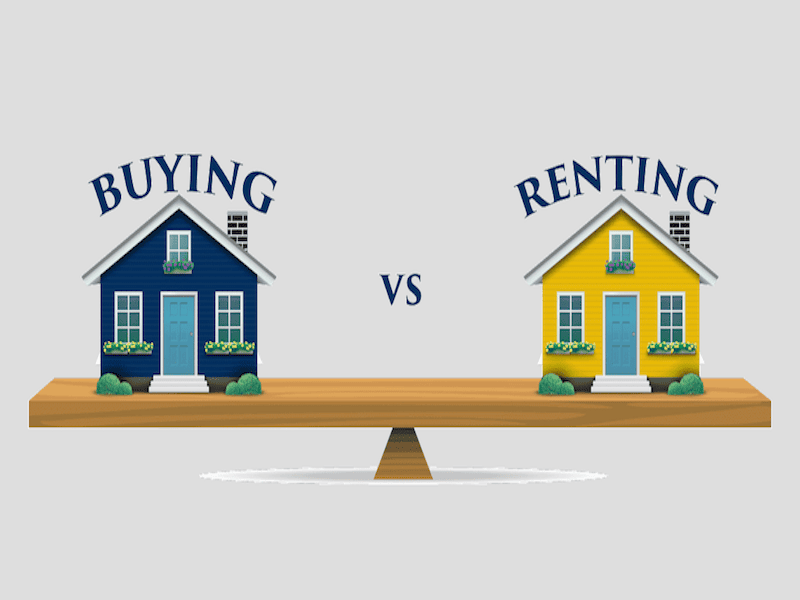
Renting vs. Buying in 2026: What Actually Makes Sense for Your Wallet?
A practical framework for comparing flexibility, monthly costs, financial stability, and long-term ownership.
The old advice was simple: buying is always better than renting. In 2026, that advice is too broad to be useful.
Home prices remain high, mortgage rates continue to affect purchasing power, and the right decision depends on more than a monthly payment. Your location, available cash, job stability, lifestyle, and expected timeline all matter.
The short answer: renting may be the smarter choice when you need flexibility or would be financially stretched by buying. Buying may be the better choice when you have stable finances, enough savings, and plans to stay in the home for several years.
The 2026 housing landscape
Mortgage rates remain a major factor for buyers. When rates are elevated, the same monthly budget buys less home than it did during the era of ultra-low rates. Buyers must look beyond the listing price and calculate the complete monthly cost, including principal, interest, property taxes, homeowners insurance, mortgage insurance, HOA dues, utilities, and maintenance.
Home prices also have not fallen uniformly across the country. Some markets may offer more negotiating power, while others remain expensive and competitive. Local conditions matter more than national headlines. Compare prices, rents, taxes, insurance costs, wages, and inventory in the specific area where you plan to live.
Remote and hybrid work add another consideration. If your job, family situation, or preferred location could change soon, committing to a home may create unnecessary friction. Renting can provide a defined exit point, while selling a home takes time and usually involves significant costs.
Renting versus buying
| Feature | Renting | Buying |
|---|---|---|
| Upfront cash | Security deposit, application fees, and moving costs | Down payment, closing costs, inspections, prepaid expenses, and reserves |
| Monthly costs | Rent, renters insurance, utilities, and possible fees | Mortgage, taxes, insurance, HOA dues, utilities, and maintenance |
| Flexibility | High; moving at lease-end is generally simpler | Lower; selling takes time and costs money |
| Repairs | Usually the landlord’s responsibility | The homeowner’s responsibility |
| Wealth building | Requires separate saving and investing | Can build equity over time, but appreciation is not guaranteed |
| Control | Limited by the lease | Greater freedom to renovate and modify the property |
Why renting may make sense
Renting is often the stronger choice when your future is uncertain. It can make sense if you may change jobs, move to another city, relocate for family reasons, or want more time to decide where you belong.
Renting also preserves liquidity. Buying can tie up a large share of your savings in a down payment, closing costs, and emergency reserves. Keeping that money available may be valuable for unexpected expenses, retirement savings, education, business opportunities, or investments.
Renting is not automatically cheaper, however. It works best when you consistently save or invest the money that would otherwise be tied up in a purchase.
Why buying may make sense
Buying can provide long-term housing stability. A fixed-rate mortgage generally keeps the principal-and-interest portion of the payment stable, although taxes, insurance, HOA dues, and maintenance can still rise.
Homeownership can also build equity. Each mortgage payment may reduce the loan balance, and the property may appreciate over time. Neither result is guaranteed, and equity usually builds more effectively when the owner stays in the home for a long period.
Buying gives you more control. You can renovate, repaint, landscape, keep pets, and adapt the home without asking a landlord for permission.
A simple readiness checklist
Before buying, make sure you can:
- Keep at least three months of core living expenses in an emergency fund.
- Maintain additional cash for repairs and several months of housing costs.
- Afford the full monthly payment, not just the mortgage principal and interest.
- Compare multiple loan offers and understand the cash required to close.
- Stay in the home for roughly five years or longer.
The five-year guideline matters because buying and selling can involve commissions, closing costs, repairs, and other expenses. If you may move soon, those costs can outweigh the benefits of ownership.
A lender’s approval is not the same as a comfortable budget. Consider your actual spending, savings goals, income stability, and tolerance for financial surprises. A home should support your life, not consume every available dollar.
The bottom line
There is no universal winner in the 2026 renting-versus-buying decision.
Renting is not throwing money away. It can be a strategic choice that provides flexibility, preserves savings, and limits repair risk.
Buying is not automatically wealth-building. It can create stability and equity, but only when the property is affordable and the buyer has enough time, cash, and financial resilience to handle ownership.
The best choice is the one that fits your local market, your finances, and your likely timeline. Compare the complete costs, be honest about your plans, and choose the option that gives you both housing stability and financial breathing room.

